
British motorists hit by soaring fuel prices are looking closely at the Middle East today after the United States and Iran agreed to a temporary halt in military strikes following a dramatic three-day escalation. The sudden flare-up in the crucial Strait of Hormuz waterway directly threatened to collapse an interim peace deal signed just 11 days ago. Under immense international pressure, both nations confirmed they will 'stand down for now' and send technical teams to Doha, Qatar, on Tuesday to salvage ongoing diplomatic talks.
Setting the Scene
The latest crisis stems from a deeply fragile geopolitical landscape. On 17 June, Washington and Tehran signed a 14-point Memorandum of Understanding (MoU) designed to establish an immediate and permanent termination of military operations. Central to this pact was a 60-day window intended for negotiators to settle the future of Iran’s nuclear programme, with Tehran pledging its best efforts for the safe passage of commercial vessels through the Strait of Hormuz without charge.
However, 12 days of that initial window have already elapsed, leaving just 48 days to secure a broader agreement. The wider conflict, which marked its four-month milestone on Sunday, has killed thousands since the US and Israel launched coordinated strikes on Iran on 28 February. For people in GB, this distant conflict has hit close to home; disrupted shipping lanes have sent UK diesel prices rocketing to £1.92 per litre—an increase of nearly 50 pence compared to pre-war levels—while unleaded petrol has jumped by 27 pence to around £1.59.
Here's What Happened
The truce shattered on Thursday when an Iranian projectile hit a Singapore-flagged cargo ship in the Strait of Hormuz. US President Donald Trump quickly condemned the move as a foolish violation of the initial agreement. In retaliation, the US military launched heavy weekend strikes on Iranian military infrastructure, including communications systems, air defence sites, and drone storage facilities, which US Central Command stated was a direct response to continued aggression against commercial shipping.

Tehran responded in the early hours of Monday by launching a joint naval and aerospace operation. The Islamic Revolutionary Guard Corps (IRGC) fired ballistic missiles and drones at American military facilities in neighbouring Gulf states, targeting the Ali al-Salem Air Base in Kuwait and the US Fifth Fleet headquarters in Bahrain. While US officials insisted none of these attacks reached their intended targets and caused no American casualties, a residential flat in the Bahraini town of Muharraq was reduced to rubble by an Iranian missile. Tragedy also struck when Qatar's Interior Ministry confirmed a Qatari national was killed after sustaining shrapnel injuries aboard a vessel in the area.
Reactions & Responses
The intense exchange prompted furious rhetoric from leadership on both sides before the stand-down was brokered. Writing on his Truth Social platform, US President Donald Trump issued an ultimatum to Tehran.
There may come a point when we are no longer able to be reasonable, and will be forced to militarily complete the job that we very successfully started. The Islamic Republic of Iran will no longer exist.
Meanwhile, Bahrain’s foreign ministry strongly condemned the strikes on its territory at a time when international efforts were moving toward de-escalation. In contrast, Mohammad Mokhber, an adviser to Iran’s supreme leader, took to social media to state that as long as Iran managed the strait, Washington’s hegemonic dreams in the region would not be realised. Iran’s Foreign Minister, Abbas Araghchi, doubled down on this stance, warning that responsibility for the Strait of Hormuz lies solely with Tehran and any attempt to bypass its preferred route would cause further tension and escalation.
The Bigger Picture
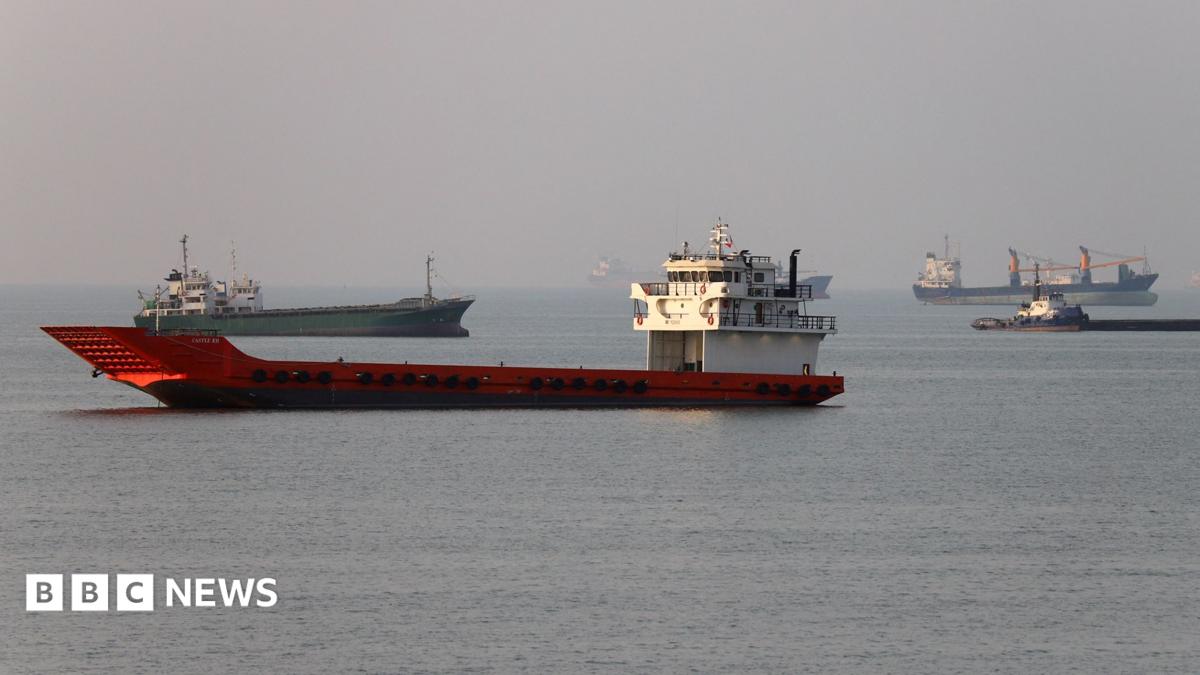
The conflict has severely disrupted global trade infrastructure. Around a fifth of the world’s oil and liquefied natural gas supplies travel through the Strait of Hormuz, where maritime traffic remains stalled. Data tracking from intelligence firm Kpler revealed that only 124 commodity vessels transited the strait between Thursday and Sunday—a total over four days that matches what used to pass through in a single day before the war, when daily traffic topped 100 ships.
Three competing shipping lanes have now emerged: a northern route controlled by Iran, a traditional central route, and a southern route hugging the Omani coast. Shippers face a harrowing choice; navigating non-Iranian routes risks kinetic drone or missile attacks, while utilizing the Iranian passage carries the risk of Western financial sanctions. Seeking an exit, Oman has proposed a compromise introducing a voluntary fee for energy-importing states to satisfy Iranian demands for control while unlocking new revenue, but Washington remains firmly opposed to waterway tolls.
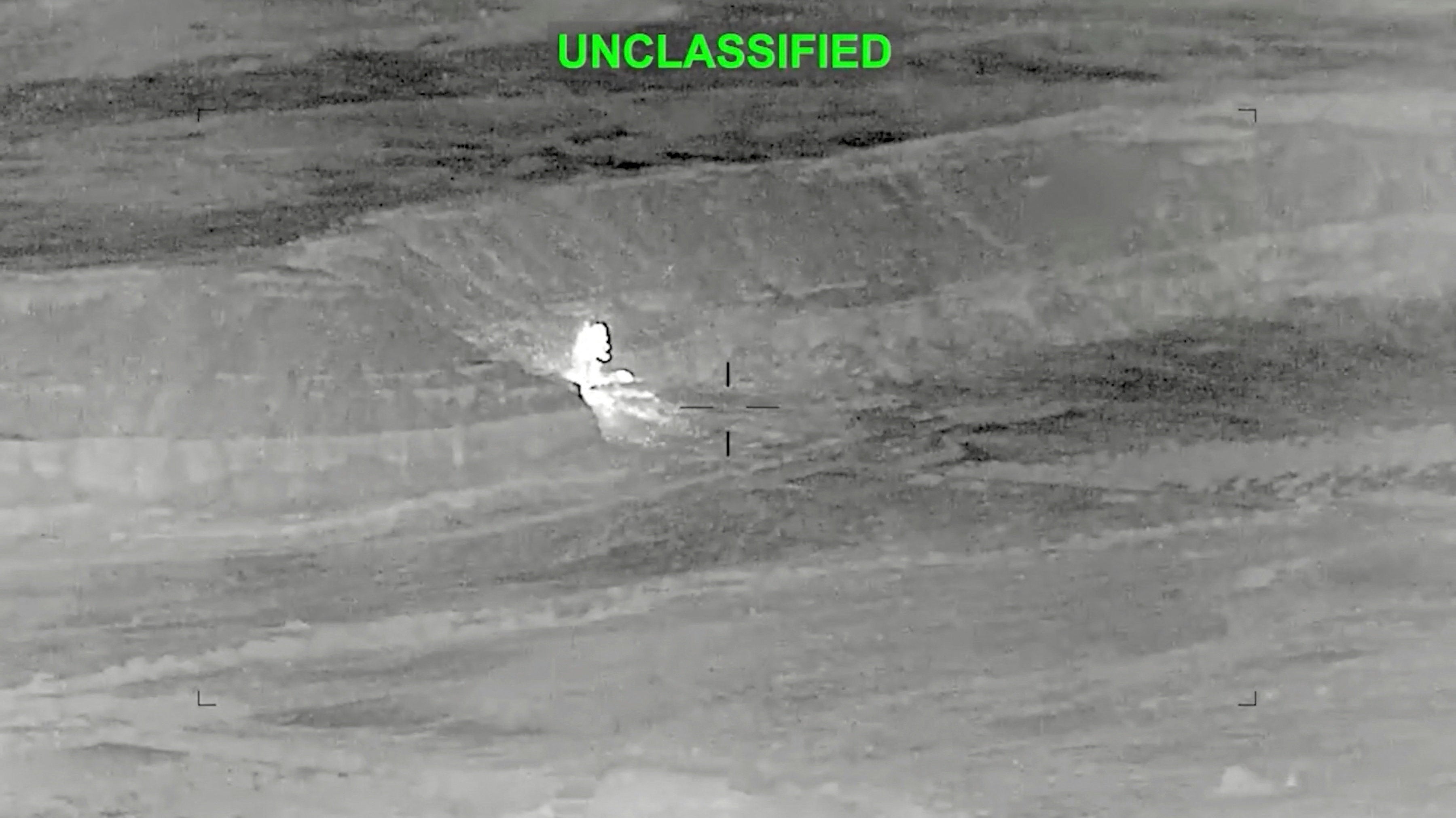
The regional instability is further complicated by a shaky ceasefire in Lebanon. Just two days after a US-mediated framework agreement was signed between Israel and Lebanon, the Israeli army struck a 200-metre-long Hezbollah tunnel in southern Lebanon containing hundreds of weapons. Israeli Prime Minister Benjamin Netanyahu and Defence Minister Israel Katz confirmed the US was notified before the strike. Iran has since explicitly warned that hostilities in Lebanon must halt entirely for any wider US-Iran peace deal to succeed.
The Road Ahead
Despite the severe military friction, diplomatic channels remain open. A senior US administration official confirmed that technical talks regarding the implementation of the MoU are officially on track for the coming days, dismissing reports that the sessions had been cancelled. Delegations from both Washington and Tehran are scheduled to meet in Doha on Tuesday to address the immediate crisis surrounding freedom of navigation in the strait before they can return to the broader, unresolved issue of Iran's nuclear activities.
Frequently Asked Questions
What is the Strait of Hormuz and why does it matter to the UK?
The Strait of Hormuz is a narrow, highly strategic waterway through which roughly 20% of the world's petroleum and liquefied natural gas flows. Disruption to shipping here immediately spikes global crude oil prices, which directly drives up petrol and diesel costs for consumers at British pumps.
Did the recent missile strikes cause any casualties?
The US military reported no American casualties or major infrastructure damage from the Iranian missile strikes on its bases in Kuwait and Bahrain. However, Qatar’s civilian authorities confirmed that one Qatari national died from shrapnel wounds sustained on a vessel during the regional military operations.
What was agreed in the original US-Iran memorandum?
Signed on 17 June, the interim agreement established a temporary ceasefire and a 60-day period to negotiate a lasting peace, specifically focused on resolving disputes over Iran's nuclear programme and ensuring the safe, uncharged passage of merchant ships through the Gulf.