
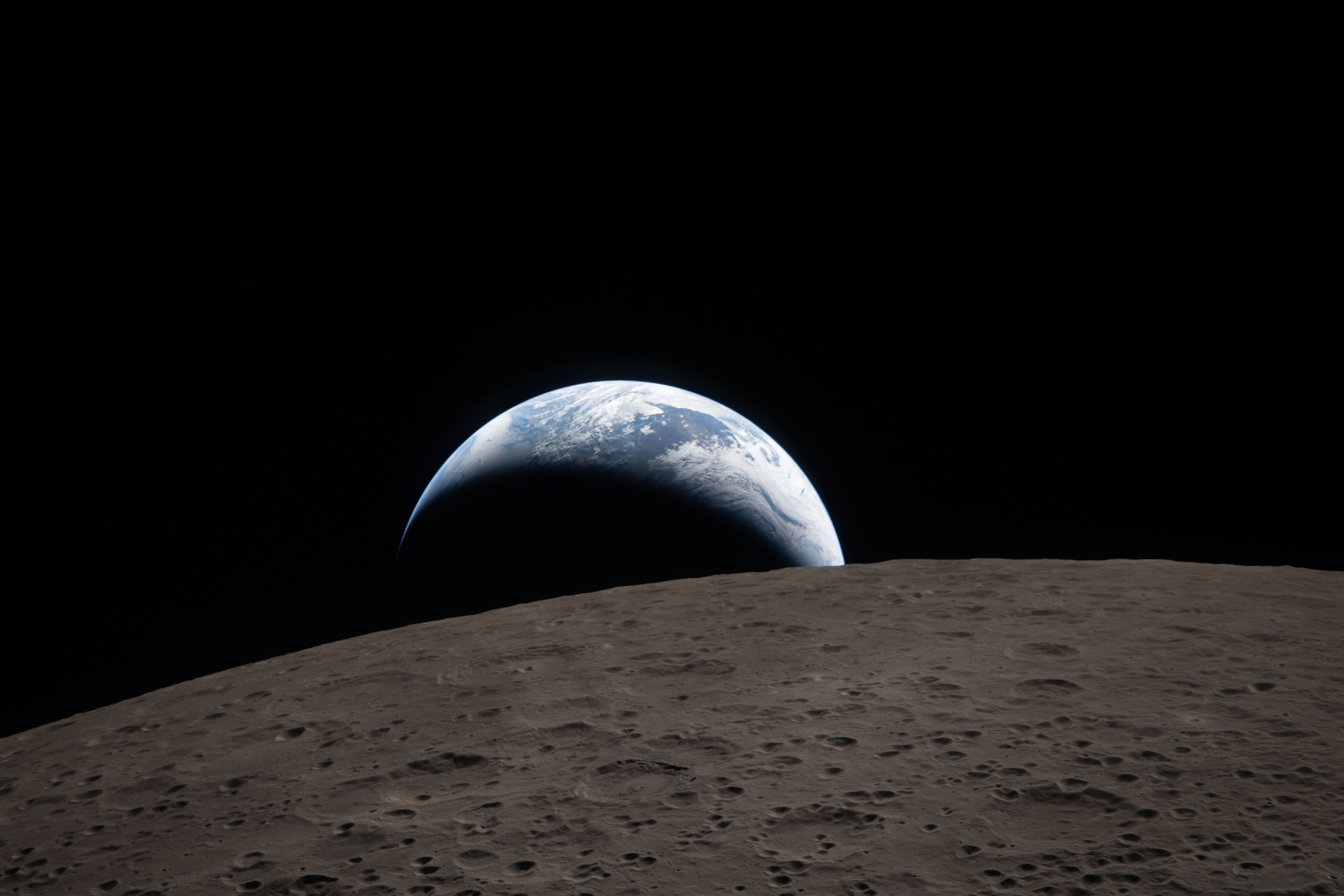
Inside the spacecraft, silence gave way to awe. As Earth slipped out of view, the crew of Artemis II found themselves staring at something few humans have ever witnessed — the Moon up close, and then the haunting curve of Earthrise on the return. Back on Earth, though, it wasn’t all smooth sailing: a 40-minute communications blackout left viewers glued to live coverage, waiting.
The mission, NASA’s first crewed lunar flyby in decades, delivered both breathtaking moments and a reminder of just how fragile deep-space communication can be. For audiences in the UK following via rolling broadcasts, it felt like watching history unfold — with a touch of drama.

How Events Unfolded
The mission launched with high expectations — and for good reason. Artemis II marks the first time humans have travelled this far from Earth since the Apollo era. The spacecraft executed a precise lunar flyby, swinging around the Moon before heading home.
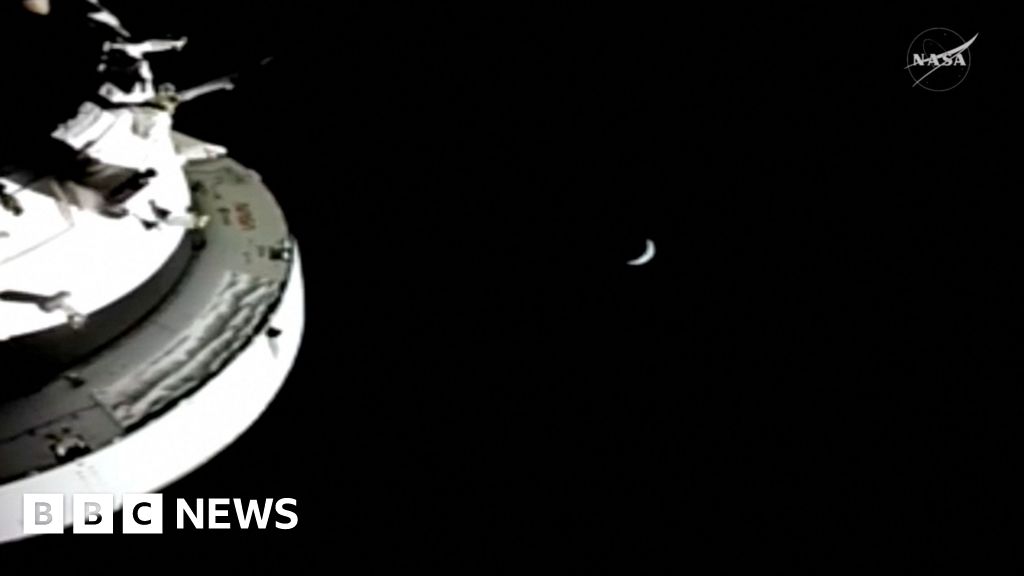
Then came the moment everyone had been waiting for: Earth disappearing behind the lunar horizon. One astronaut described the feeling as “overwhelming”, a mix of awe and vulnerability. You can imagine it — that tiny blue dot, suddenly your entire world.
But mid-mission, things took a sharper turn. Communication dropped. For roughly 40 minutes, there was no contact between the spacecraft and mission control. Live coverage paused, speculation crept in, and viewers were left hanging.
Eventually, the signal returned. Relief all round. NASA later confirmed the blackout was expected during that phase of the orbit — though it didn’t stop nerves from jangling.
Digging Deeper
This wasn’t just a sightseeing trip. Artemis II is a crucial step in NASA’s broader plan to return humans to the Moon — and eventually push onwards to Mars. The mission is testing systems, crew endurance, and communication protocols under real deep-space conditions.
And that blackout? It’s part of the reality of space travel. As spacecraft move behind the Moon, radio signals can’t reach Earth. It’s not new — Apollo missions experienced similar dropouts — but in the age of constant connectivity, it feels more unsettling.
There’s also a political and technological angle here. Artemis is about reasserting leadership in space exploration. With other nations ramping up their own lunar ambitions, this mission is as much about signalling capability as it is about science.
- Lunar flyby
- A trajectory where a spacecraft travels around the Moon without landing.
- Earthrise
- The view of Earth appearing above the Moon’s horizon, first captured during Apollo missions.
- Communication blackout
- A temporary loss of signal between spacecraft and Earth due to physical obstruction or distance.
What People Are Saying
It was overwhelming — seeing Earth like that changes how you think about everything.
Experts have been quick to point out the psychological impact of such missions. Astronauts often describe a shift in perspective — sometimes called the “overview effect” — after seeing Earth from afar.
Meanwhile, a widely shared clip showed an awkward moment during a call with political figures back on Earth, highlighting just how unpredictable live space communication can be. Not exactly scripted TV.
Putting It in Perspective
For viewers in the UK, the mission has been more than just a science story. It’s been a shared moment — streamed, clipped, and discussed across platforms. You might have caught it on a lunch break or scrolling late at night.
And here’s the thing: missions like this ripple outward. They drive innovation, inspire new careers, and shape how governments invest in science. The UK, already involved in parts of the Artemis programme, stands to benefit from the technology and partnerships that follow.
It’s not every day you watch history with your morning tea. But this one felt close — even from thousands of miles away.
Looking Ahead
Next comes Artemis III, the mission expected to land humans on the Moon once again. The data gathered from this flight will shape everything from landing systems to astronaut training.
NASA has confirmed further analysis of the communication systems will follow, even if the blackout itself was anticipated. In space, you double-check everything.
For now, Artemis II stands as proof that human spaceflight is back in full swing — and perhaps just getting started.
FAQ
Why did Artemis II lose contact with Earth?
The spacecraft moved behind the Moon, blocking radio signals — a known and expected effect.
What is the goal of Artemis II?
To test systems and crew performance during a lunar flyby before future landing missions.
How long was the communication blackout?
Approximately 40 minutes during a key phase of the orbit.
Will this affect future missions?
Not directly, but data from this flight will refine communication and navigation systems.
Why should people in the UK care?
The UK is involved in space partnerships, and missions like this drive innovation and jobs across the sector.