

A newly discovered asteroid roughly the size of a blue whale is racing past Earth this week — and astronomers only spotted it days before its approach. Known as 2026 JH2, the space rock is expected to pass closer than some satellites orbiting the planet, creating a rare moment for skywatchers and scientists alike.
Despite the dramatic headlines, researchers insist there is no danger of impact. Still, the timing has caught attention across Britain, especially among amateur astronomers keen to follow the object live online tonight.
If you have been following recent near-Earth asteroid stories, this one stands out because of how late it was discovered. Talk about cutting it fine.

What We Know So Far
Asteroid 2026 JH2 was identified only recently by astronomers tracking near-Earth objects, a category used for asteroids whose orbits bring them relatively close to our planet. Estimates suggest the object measures somewhere between 20 and 40 metres across — about the length of a basketball court or a blue whale, depending on which comparison you prefer.
The asteroid is expected to sweep past Earth at a distance closer than the Moon, though still far enough to pose no immediate threat. Astronomers describe the flyby as “safe but unusually close”, which is exactly why it has generated so much interest online.
Meanwhile, observatories and astronomy websites are streaming the event live, giving viewers in Britain a chance to watch the object move through the night sky in real time. Live tracking coverage and online telescope feeds have already attracted heavy traffic.
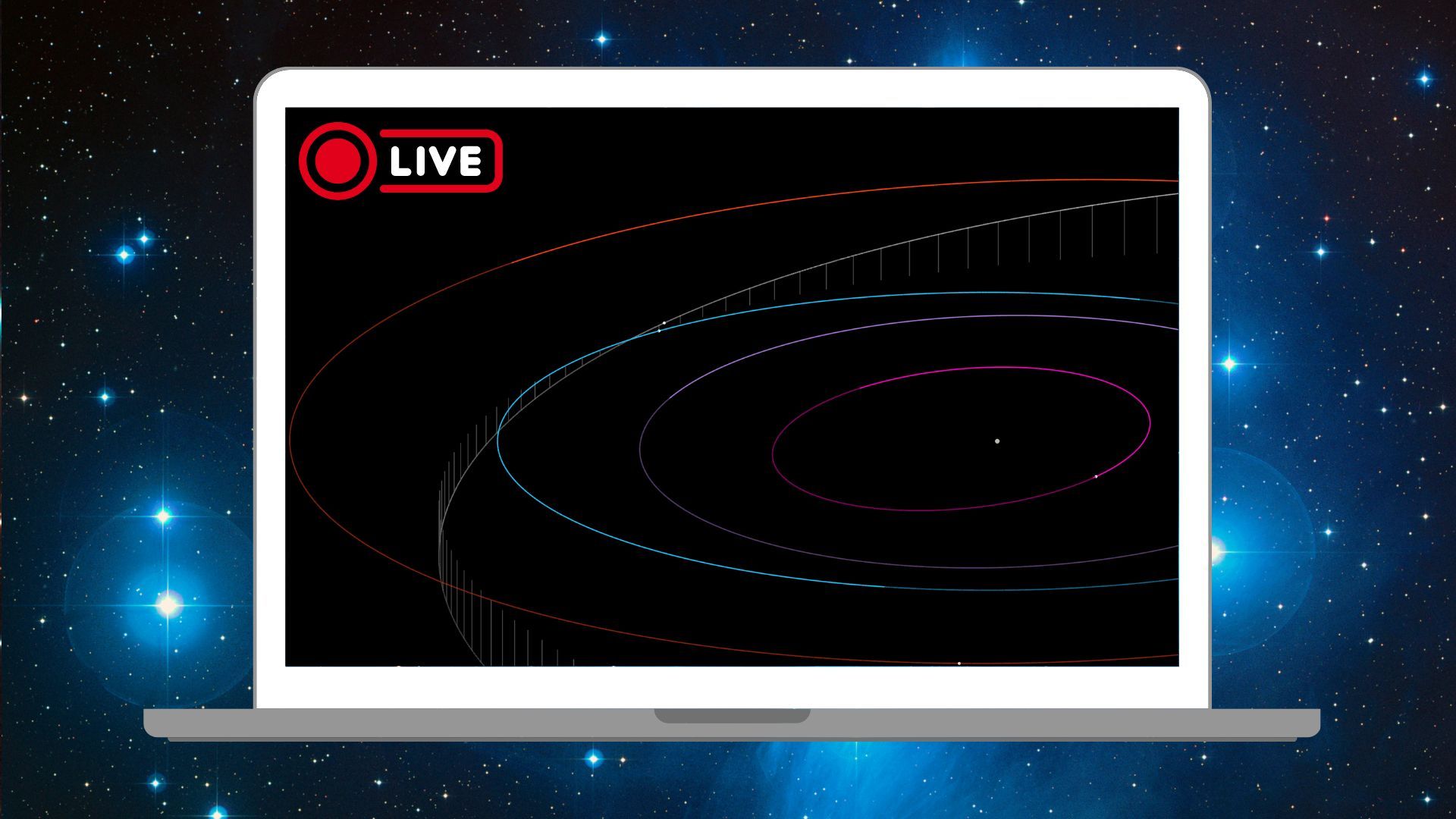
What's interesting is how often these close encounters happen without most people noticing. Space agencies detect thousands of near-Earth objects every year, but only a handful generate public interest because they pass within such relatively short cosmic distances.
For scientists, flybys like this are more than spectacle. They offer a valuable opportunity to study asteroid composition, speed and trajectory. Every close approach sharpens planetary defence systems designed to detect genuinely dangerous objects earlier in the future.
Reactions & Responses
Astronomers have been quick to calm fears circulating on social media, where dramatic videos and exaggerated claims spread rapidly overnight.
This asteroid will pass safely by Earth and poses no impact risk.
British astronomy groups have instead leaned into the excitement factor, encouraging families and students to tune into livestreams. Several observatories described the flyby as a rare chance to see planetary science unfold in real time rather than through archived telescope images.
Some experts have also pointed to the discovery timeline itself. Detecting 2026 JH2 only days before its approach highlights the challenge of spotting smaller asteroids coming from difficult viewing angles near the Sun. That does not mean Earth was in danger — but it does show why investment in sky surveys remains a priority.
Close passes like this help test our detection systems under real conditions.
On the Ground
For people in the UK, the asteroid itself will probably not be visible with the naked eye. You will need either a telescope or access to a livestream to follow the event properly. Still, astronomy clubs across Britain say public interest has surged, particularly among younger viewers.
Schools and science centres have also used the moment to explain how asteroid tracking works. After all, Hollywood tends to treat every close pass as the start of disaster. Reality is far less dramatic — and far more scientific.
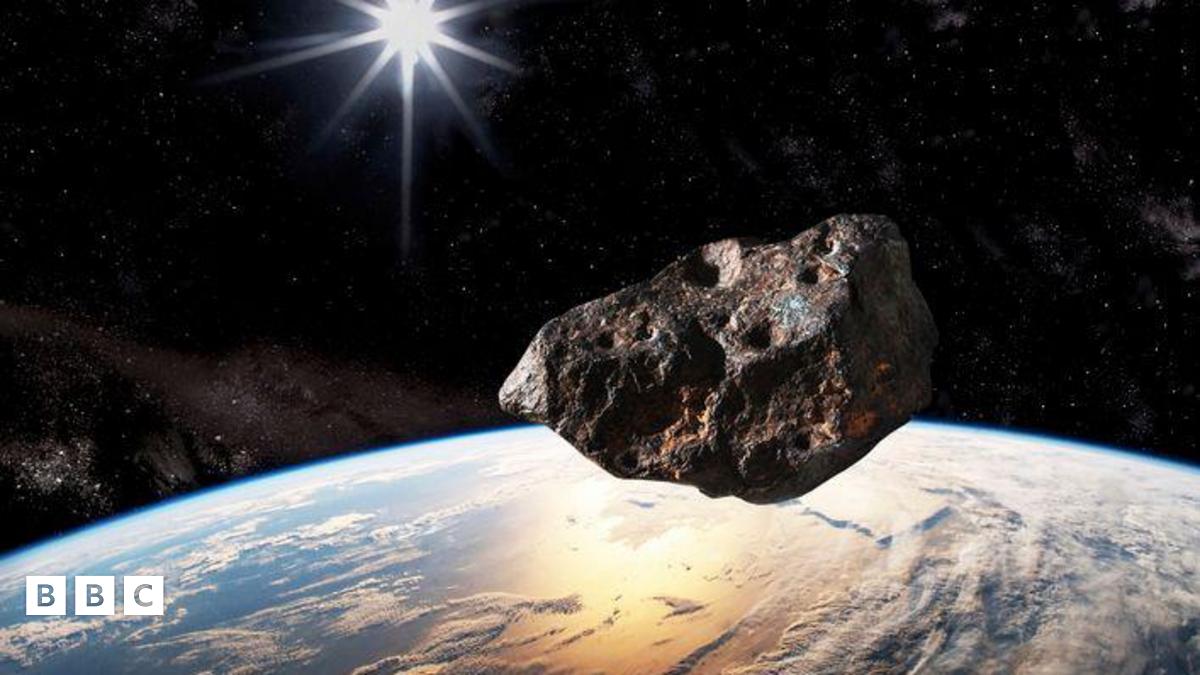
Here's the thing: events like this remind people just how active our cosmic neighbourhood really is. Most near-Earth objects never become dangerous, but they do pass nearby more often than many realise. Space, as they say, never sleeps.
Coming Up
The closest point of the flyby is expected tonight, with livestreams and observatory coverage continuing through the evening. Scientists will likely spend the next several days analysing radar and telescope data gathered during the pass.
Researchers are also expected to refine estimates of the asteroid's size and orbit once additional observations are processed. That could slightly adjust current calculations, though experts say the overall safety assessment is not expected to change.
At a Glance
- Asteroid 2026 JH2 was discovered only days before its flyby.
- The object is estimated to be between 20 and 40 metres wide.
- Scientists say there is no risk of impact with Earth.
- The asteroid will pass closer than the Moon.
- Livestreams are allowing viewers in Britain to watch the event live.
- The flyby is helping researchers test asteroid detection systems.
FAQ
What is asteroid 2026 JH2?
2026 JH2 is a recently discovered near-Earth asteroid expected to make a close but safe flyby of Earth this week.
How close will asteroid 2026 JH2 get to Earth?
The asteroid will pass closer than the Moon, though still at a safe distance with no collision risk.
Can you see asteroid 2026 JH2 from the UK?
Most people will need a telescope or online livestream to view it clearly from Britain.
Why was the asteroid discovered so late?
Smaller asteroids are harder to detect, especially when approaching from angles near the Sun.
Is asteroid 2026 JH2 dangerous?
No. Astronomers and space agencies say the flyby poses no threat to Earth.