
Researchers have identified a previously unknown mechanism where the diabetes drug metformin regulates blood glucose levels by acting on neurons in the brain. The study, published in March 2026, reveals that the medication does not solely target the liver and gut but actively engages a specific neural pathway to maintain metabolic balance. This discovery shifts the long-standing scientific understanding of how one of the world's most prescribed medications functions within the human body.

Key Points
- A breakthrough study confirms that metformin suppresses blood sugar production by inhibiting specific proteins in the hypothalamus.
- Scientists identified the Rap1 protein as a critical mediator that metformin 'shuts down' to trigger its glucose-lowering effects.
- The discovery explains why some patients experience varied metabolic responses to the drug based on their neurological profile.
- This finding is significant because it opens new avenues for developing metabolic treatments that specifically target brain-body communication.
What Happened
For over 60 years, metformin was believed to work primarily by limiting glucose production in the liver and improving insulin sensitivity in muscles. However, recent laboratory trials conducted by international research teams used advanced imaging and genetic sequencing to track the drug's journey through the nervous system. They found that metformin successfully crosses the blood-brain barrier to interact with POMC neurons.

Key Developments
The research highlighted that metformin’s impact on the brain is not a side effect but a core component of its therapeutic efficacy. Data shows that when Rap1 levels were artificially maintained in test subjects, the glucose-lowering effects of metformin were significantly diminished, even if the drug reached the liver. Furthermore, the study suggests that the drug may influence appetite and energy expenditure through these same neural circuits, potentially explaining the weight loss often observed in patients using the medication. Detailed findings can be reviewed on the ScienceDaily portal.
Why This Matters
Understanding the neurological pathway of metformin allows clinicians to better predict which patients will benefit most from the treatment. With over 150 million people worldwide taking metformin, even a small refinement in how the drug is prescribed could lead to improved outcomes for millions of type 2 diabetics.
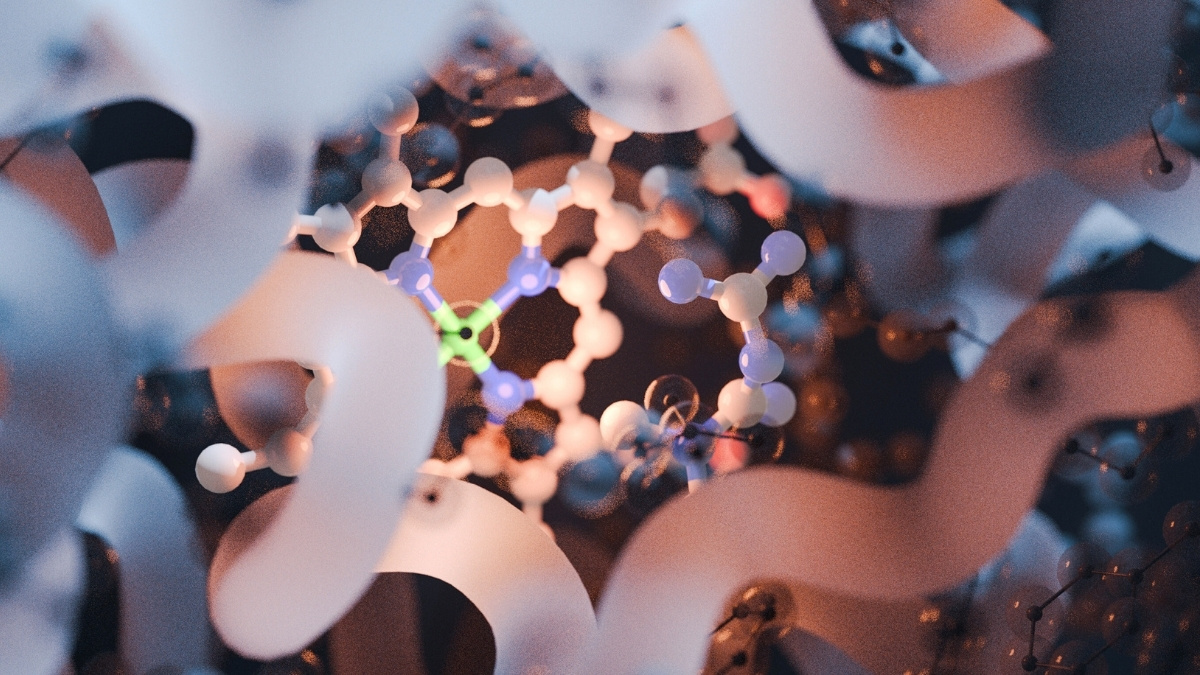
After 60 years, we are finally seeing the full picture of how this foundational drug communicates with the brain to keep the body in balance.
What Happens Next
Clinical trials are currently being scheduled for late 2026 to determine if neurologically targeted metformin derivatives can be developed. These new compounds would aim to maximize the brain-signal effect while minimizing common gastrointestinal side effects. Researchers will also monitor long-term data on patients currently using the drug to see if there is a correlation between the Rap1 pathway and protection against age-related cognitive decline.
Key Terms
- Rap1
- A small GTPase protein involved in cell signaling that regulates the metabolic response in the hypothalamus.
- POMC Neurons
- Pro-opiomelanocortin neurons located in the brain that play a vital role in regulating hunger and glucose levels.
- Blood-Brain Barrier
- A semi-permeable border that prevents harmful solutes in the blood from non-selectively crossing into the central nervous system.
FAQ
Does metformin reach the brain in humans?
Yes, recent research confirms that metformin can cross the blood-brain barrier. Once inside, it interacts with specific neurons that help regulate the body's metabolism and glucose production.
What is the Rap1 protein's role in diabetes?
Rap1 acts as a molecular switch in the brain that can inhibit the body's ability to lower blood sugar. Metformin works by shutting down this protein to allow for better glucose regulation.
Will this discovery change how I take my medication?
Currently, there is no change to the standard dosage or administration of metformin for patients. This discovery is aimed at helping scientists design better drugs in the future rather than altering current prescriptions.
Is metformin now considered a brain drug?
While it remains a primary treatment for type 2 diabetes, it is now recognized as having a dual-action mechanism. It functions as both a metabolic stabilizer in the body and a signaling modulator in the brain.