
The annual Pink Moon is set to illuminate British skies this week, marking one of the most celebrated lunar highlights of the spring calendar. While the name suggests a rosy hue, this full moon is actually a celebration of the season's first blooms and provides a perfect excuse for a bit of stargazing.
The Full Story
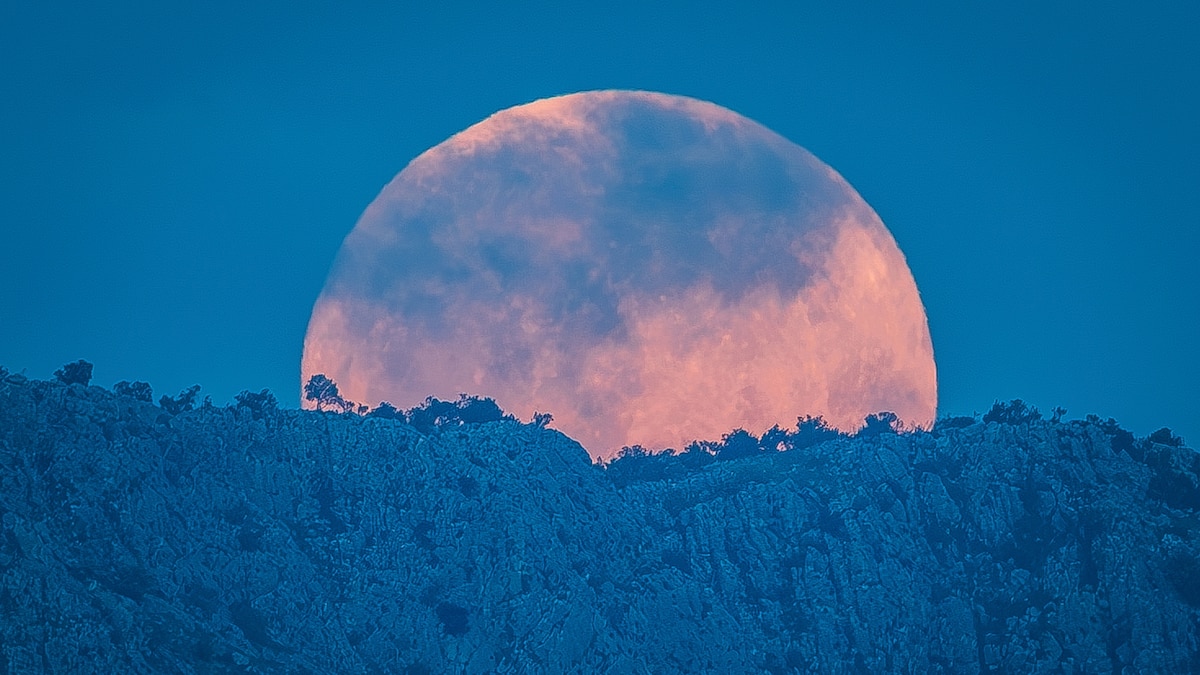
Despite what you might expect from the name, don't go out looking for a literal pink orb in the sky. The moniker actually comes from North American traditions, specifically referring to the Phlox subulata—the 'moss pink' wildflower that blankets the ground during early spring. Here in the UK, it's more about the timing of the moon than its actual shade, which will appear as its usual brilliant golden-white.
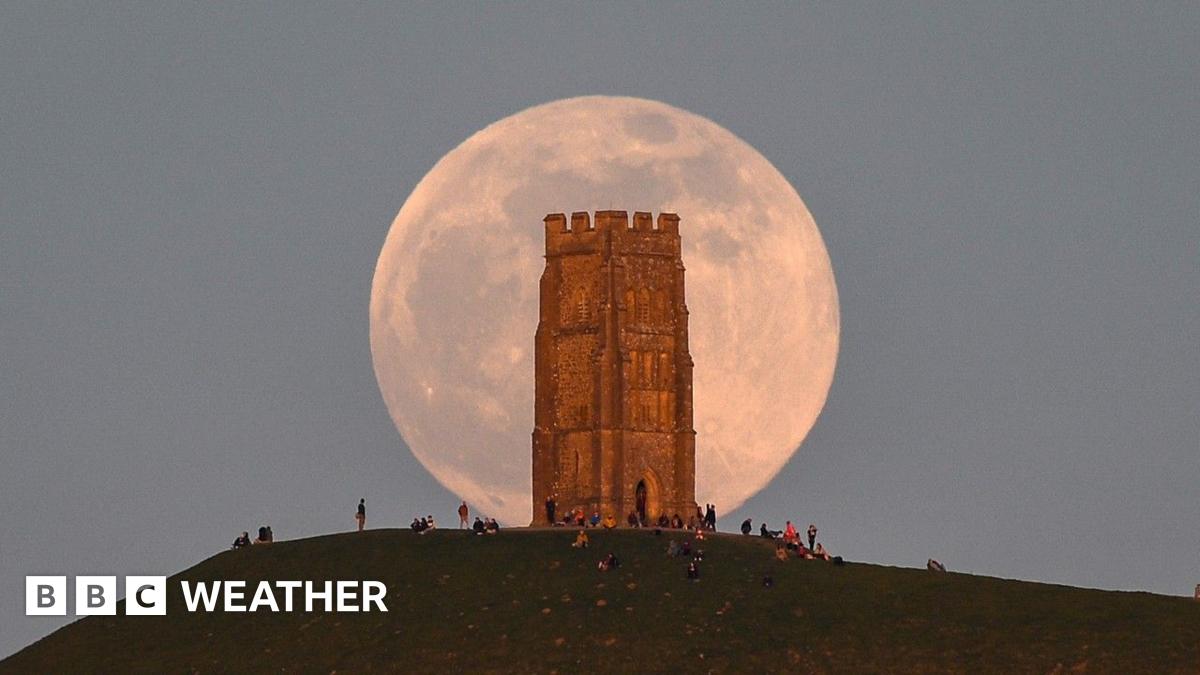
Timing is everything if you want to catch it at its best. According to BBC Weather, the moon will reach peak fullness during the early morning hours, but the most dramatic view is always during moonrise the evening before. This is due to a trick of the mind known as the 'moon illusion,' where the moon appears much larger when it’s hugging the horizon compared to when it’s high overhead.

What’s interesting is that this isn't the only show in town. This lunar event kicks off a busy month for our night sky. We are also expecting the Lyrids meteor shower to peak later in April, alongside a rare 'planet parade' where several of our celestial neighbours will align in a visible row. It’s a bit of a golden era for amateur astronomers at the moment, with clear spring nights offering some of the best visibility we've had in years.
The Main Players
While the moon is the star of the show, several organisations are helping the public make sense of the spectacle. NASA has issued specific skywatching tips for those wanting to spot the moon alongside other planets, while local groups like the Royal Observatory often see a spike in interest during these events. For the astrologically minded, publications like Vogue and VICE are framing this as a 'fresh start' moon, linked to the sign of Libra, suggesting a period of rebalancing as we head further into 2026.
What This Means
For the average person in the UK, the Pink Moon is a signpost for the changing seasons. It’s more than just a pretty sight; it’s a cultural marker that spring has well and truly arrived. Astronomically, it’s a reminder of our orbit's regularity, but socially, it’s a moment of collective pause. Every cloud has a silver lining, and even if the British weather plays its usual tricks, the sheer brightness of a full moon usually manages to break through the overcast sky.
If you're planning on capturing the moment, Digital Camera World suggests getting your tripod ready early. Because the moon is so bright, it can actually blow out the highlights in your photos if you're not careful. You’ll want a fast shutter speed to keep the details of the craters sharp. It’s a great chance for families to get outside and look up, perhaps noticing that the days are finally, mercifully, getting longer.
What to Expect
- Peak Visibility: Look to the east just after sunset for the most impressive moonrise.
- Meteor Shower: Keep an eye out for the Lyrids peaking around April 22nd.
- Next Event: A 'Blue Moon' is expected to follow in May, according to Live Science.
- Moon Illusion
- An optical illusion which causes the Moon to appear larger near the horizon than it does higher up in the sky.
- Lyrids
- A meteor shower lasting from April 16 to April 26 each year, known for fast and bright meteors.
FAQ
Is the Pink Moon actually pink?
No, the name refers to the 'moss pink' wildflower that blooms in spring. The moon will look its usual golden or white colour.
When is the best time to see the Pink Moon in the UK?
The best time is during moonrise, which occurs roughly at sunset. Check your local moonrise times for the exact minute.
Do I need a telescope to see it?
Not at all. The full moon is perfectly visible to the naked eye, though binoculars can help you see the craters in more detail.
What if it is cloudy?
Full moons are bright enough to illuminate the clouds from behind, creating a 'glow,' but for the best view, you'll need a clear patch of sky.