3 turning points as England chase 191 against India
Last updated: 4 July 2026, 17:23 BST
England's second T20 against India has produced the sort of Old Trafford contest that matters well beyond a routine series match: a historic teenage debut, a target of 191 and a chase transformed twice inside the first five overs. India reached 190-7 after choosing to bat, before Arshdeep Singh removed Phil Salt and Jos Buttler in the opening over. Harry Brook then launched a furious counter-attack, but his dismissal for 39 left England needing another rebuild.
Behind the Headlines
This match arrived with the five-game series still level at 0-0 after the opening T20 in Durham was abandoned because of rain. India had made 189-7 in that game, but England never began their chase, leaving the Manchester fixture as the first chance for either side to take control of the series.
The biggest pre-match story was Vaibhav Sooryavanshi. At 15 years and 99 days, he became India's youngest international debutant, replacing Sanju Samson at the top of the order. The live match coverage recorded the teenager receiving his first cap before India won the toss and chose to bat.
England also made changes. Jofra Archer returned, while Josh Tongue received his first T20 international cap. The wider tour consists of five T20 internationals followed by three one-day internationals between 1 and 19 July.
Here's What Happened
India attacked early despite substantial bounce and strong wind at Old Trafford. Sooryavanshi made 14 from 10 balls, including two sixes, before Will Jacks drew him out of his crease and Jos Buttler completed the stumping. Abhishek Sharma supplied the early acceleration with 43 from 24 balls.
Ishan Kishan and captain Shreyas Iyer then rebuilt the innings. Iyer made 37, while Kishan top-scored with 49 from 40 deliveries. England pulled the scoring rate back during the later middle overs, with Sam Curran taking three wickets and using changes of pace to make boundary-hitting more difficult.
India still found a late surge. Tilak Varma struck six, six and four in the final over as the visitors finished on 190-7. That total gave England a required rate of 9.55 runs an over from the start.
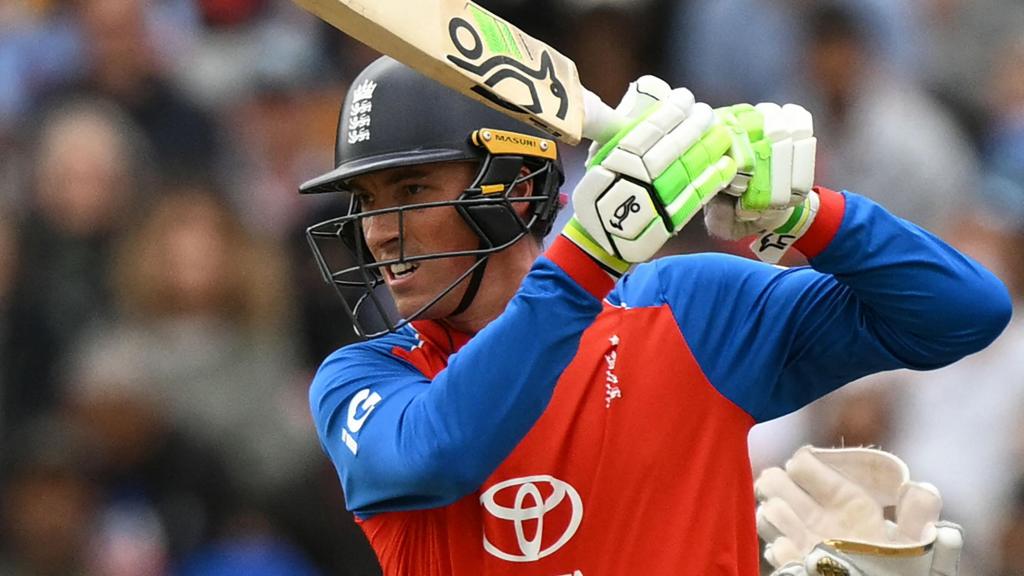
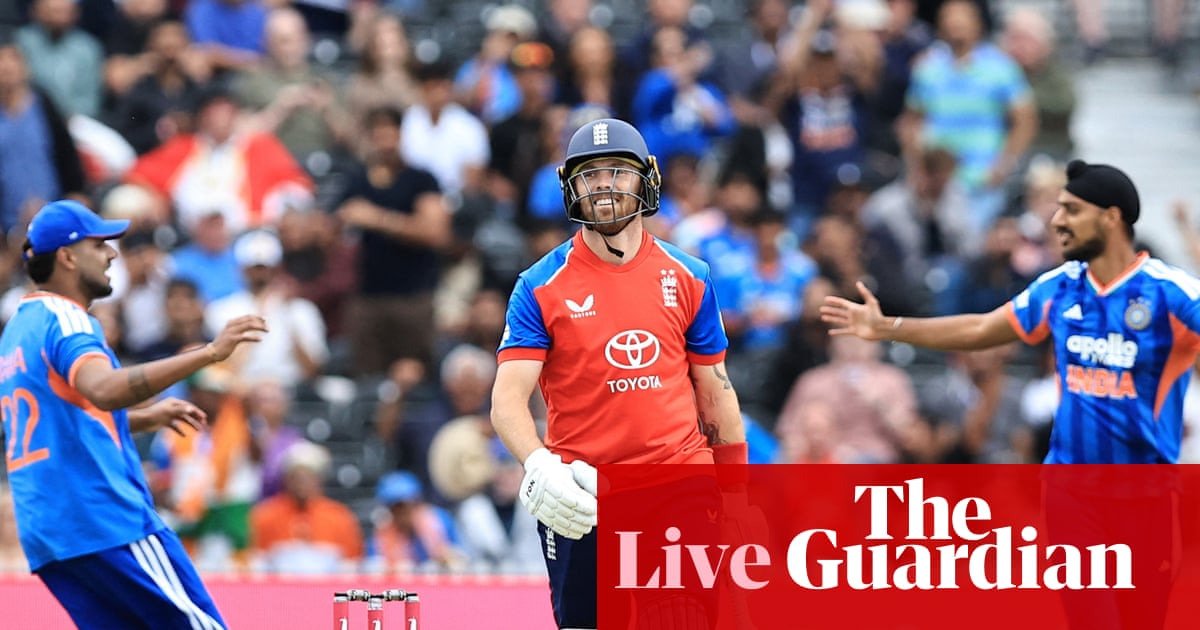
The chase immediately lurched towards India. Salt edged Arshdeep's first ball behind, and Buttler was dismissed for a duck later in the same over. Brook responded with a remarkable assault, racing to 37 from 12 balls and taking 27 runs from one Arshdeep over. His innings ended on 39 from 15 balls when India successfully reviewed a sweep against Axar Patel and replays showed a glove through to Kishan.
At the halfway point, England were 91-3 and required exactly 100 from the final 10 overs. Jacob Bethell and Tom Banton had steadied the chase, but India's spinners had begun to slow the scoring on a surface offering assistance.
Voices & Opinions
Former England batter Michael Carberry, speaking on BBC Radio 5 Sports Extra, said Brook had changed the momentum but again left England wanting more from a promising innings.
Harry Brook's innings was what was needed to wrestle back the initiative. He was causing chaos, but unfortunately wasn't able to continue.
Former India wicketkeeper Deep Dasgupta focused on the dismissal itself. Kishan's sharp work behind the stumps and his confidence in asking for a review turned what had initially been called a wide into the key wicket of England's captain.
It was a brilliant take down the leg side off the glove, a decent amount of deflection, very good keeping and a huge wicket for India.
The Bigger Picture
Two individual milestones gave this match extra significance. Sooryavanshi's debut made him the youngest player to represent India in international cricket, while Axar Patel reached 100 T20 international wickets when Brook was dismissed.
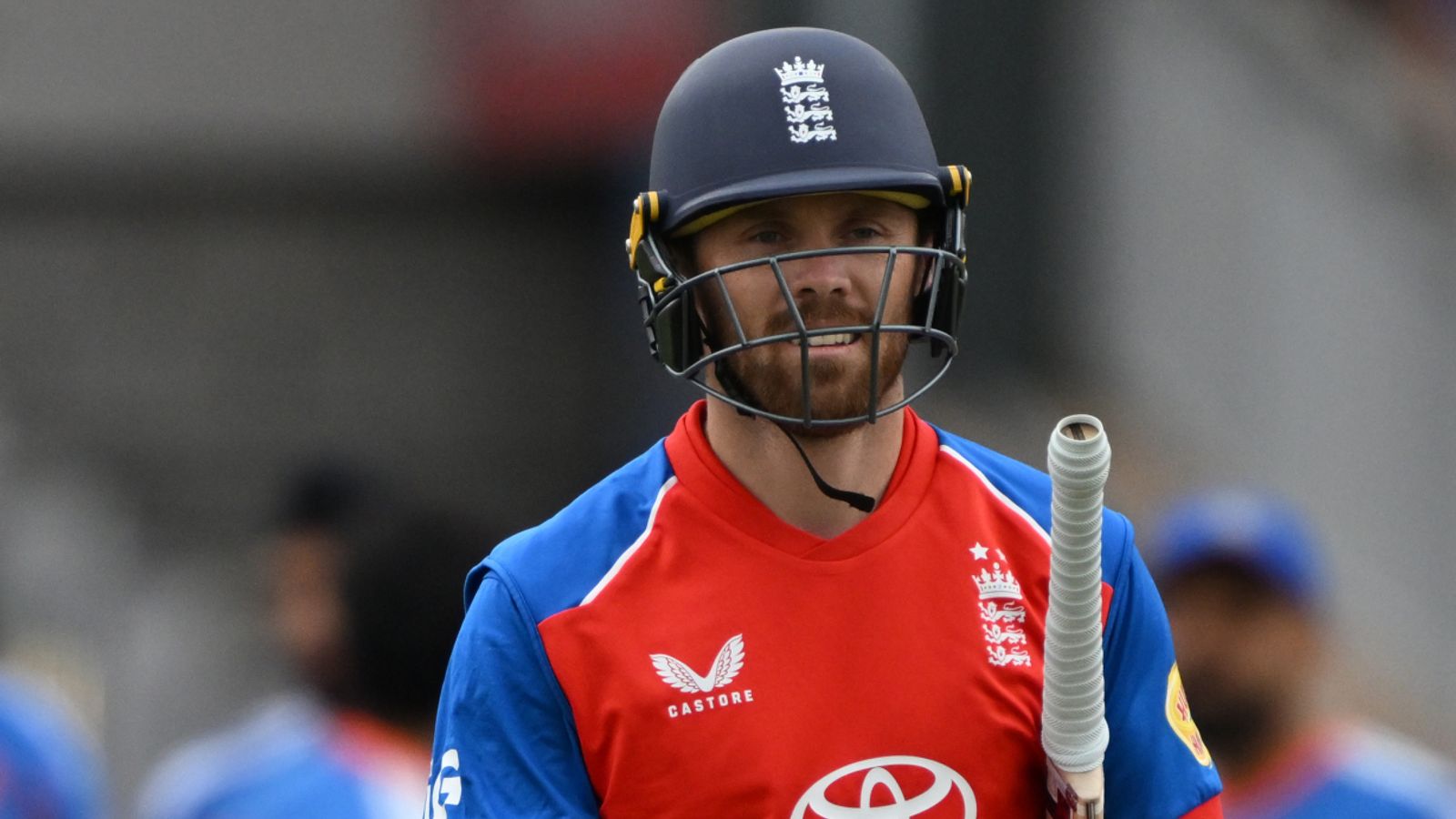
For England, the match has also exposed the risk created by early top-order wickets. Brook's counter-attack restored the required rate quickly, but his departure allowed India to use spin to squeeze Bethell and Banton. The equation at 10 overs was simple but demanding: 100 runs from 60 balls, with India's slow bowlers already finding ways to restrict boundary options.
For India, the innings showed why 190 can be competitive even when a batting side loses momentum. England had restricted them strongly through parts of the second half, yet the final burst pushed the target high enough to make every quiet over in the chase increasingly costly.
The Road Ahead
England's chase was still in progress in the latest supplied updates, so the final result had not yet been confirmed. The winner will take the first lead of the five-match series after the rain-abandoned opener.
The tour then continues through the remaining T20 fixtures before England and India move into a three-match ODI series.
Frequently Asked Questions
What score did India make against England?
India scored 190-7 from their 20 overs in the second T20 at Old Trafford.
How many runs did England need to win?
England were set a target of 191, requiring an initial scoring rate of 9.55 runs per over.
What was England's score after 10 overs?
England were 91-3 at the halfway point and needed 100 more runs from 60 balls.
How many runs did Harry Brook score?
Brook made 39 from 15 balls before being caught behind off Axar Patel following an India review.
How did Vaibhav Sooryavanshi perform on debut?
Sooryavanshi scored 14 from 10 balls, including two sixes, before being stumped off Will Jacks.
Why was Vaibhav Sooryavanshi's debut historic?
At 15 years and 99 days, he became the youngest player to represent India in international cricket.

Resources
Sources and references cited in this article.