33-31: Wales edge Barbarians as George North signs off
The heat sat heavy over Allianz Stadium, the crowd waiting for the farewell moment as much as the result. Wales had the sharper structure, the Barbarians had the late theatre, and George North turned his final professional appearance into the loudest story of the afternoon. Steve Tandy's side won 33-31 in London on Saturday, 27 June 2026, scoring five tries as they prepared for the Nations Championship. North, playing for the Barbarians against the country he represented with distinction, scored twice and converted Santiago Arata's last-gasp try with the final kick.
How Events Unfolded
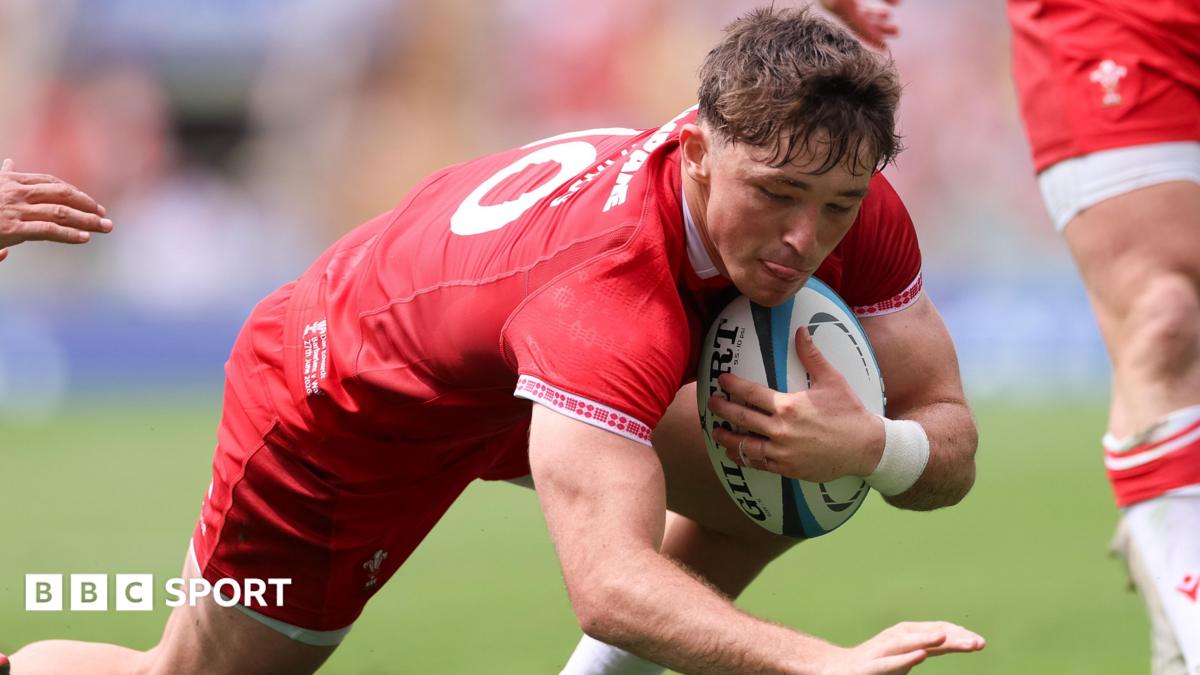
Wales started with purpose. Kieran Hardy sniped over early, and Dan Edwards added the conversion before Vincent Koch hit back for the Barbarians after pressure at the scrum. In the heat, with temperatures reaching 32C, the first half was extended and handling errors crept into both sides' work.
Edwards then became the game's main Welsh finisher. A well-worked Wales move involving Joe Hawkins and Aaron Wainwright helped the fly-half score before half-time, and Hardy's kick later gave him a simple route to a second try. The BBC match report recorded the full scoring details, including Wales tries from Edwards, Hardy, Reuben Morgan-Williams and Ellis Mee, in its Barbarians 31-33 Wales report.
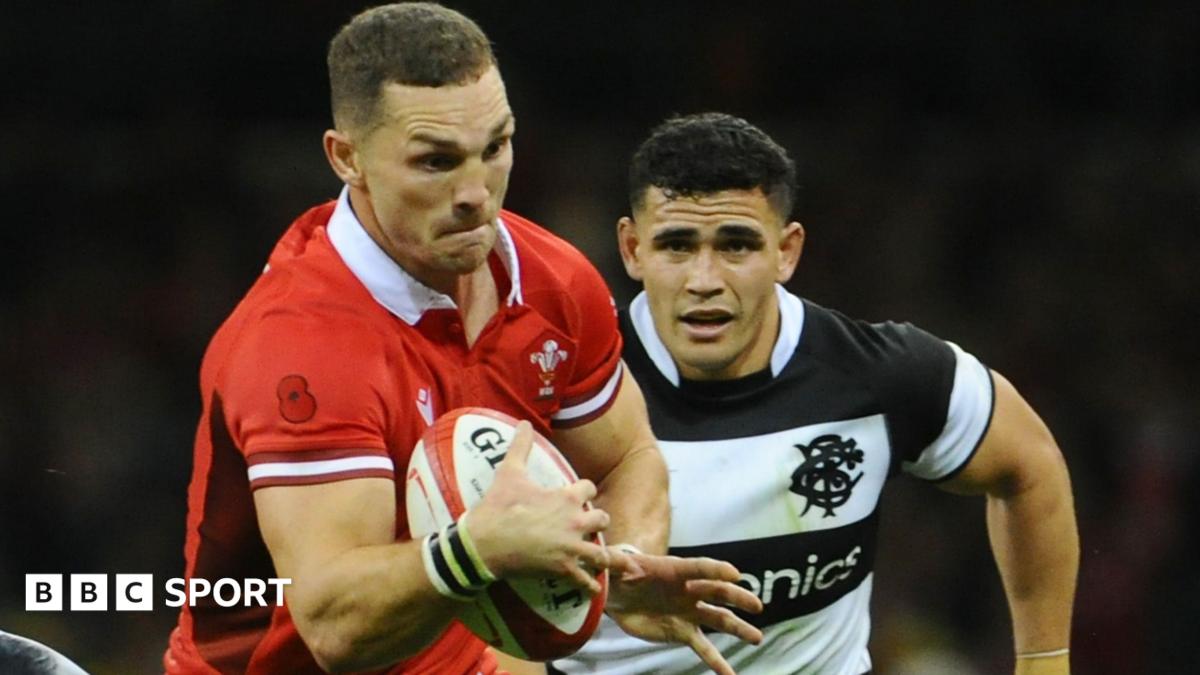
The match shifted when North came on from the bench. His first touch produced a try, cutting through weak Welsh defence and changing the feel inside the stadium. Alex Nankivell later struck for the Barbarians, but Morgan-Williams and Mee kept Wales just far enough ahead.
North still had the final word. He crossed for a second try, then converted Arata's final score, leaving the Barbarians two points short but giving the day the ending many spectators had come to see.
Under the Surface
This was not a capped Test, but Wales treated it as more than an exhibition. The fixture came before the inaugural Nations Championship, with Wales due to face Fiji at Cardiff City Stadium on 4 July before away matches in Argentina and South Africa. For a squad trying to build after a difficult run, the match offered a controlled but demanding rehearsal.
The selection picture mattered. Because the game fell outside World Rugby's designated Test window, Wales were without England- and France-based players, with BBC reporting that 13 squad members were unavailable for that reason. That opened the door for others, including uncapped replacements Rhys Barratt, Ben Warren, Ryan Woodman and Harrison Keddie.

Steve Tandy's choice to start Jac Morgan after his shoulder injury added another layer. Morgan had missed the Six Nations, and his return in a back row with Taine Plumtree and Aaron Wainwright gave Wales a stronger base around the breakdown.
Voices & Opinions
Tandy framed the game as preparation rather than a casual run-out, and his team selection backed that up. In Planet Rugby's team announcement, he said the Barbarians would provide a high-paced challenge with plenty of offloads, making it useful preparation before Fiji.
We've had a good block of training building towards this game and are excited to get our summer underway on Saturday.
Hardy, who started at scrum-half for Wales, had also focused attention on Faf de Klerk before kick-off. The South African captained the Barbarians after missing out on South Africa's Nations Championship squad, and Hardy described him as a player with relentless energy.
He's just energy everywhere he goes. It feels like he's everywhere.
North's comments after the game carried the emotional weight. Speaking to S4C, he described the week as special and reflected on what the sport had given him.
This game has given me everything.
Putting It in Perspective
For Wales supporters, the scoreboard matters because wins have been scarce. BBC's preview noted that Wales' men and women had managed a combined three wins in 19 international fixtures across the 2025-26 season, so even an uncapped victory has value for mood and selection.
There were technical positives too. Edwards' brace strengthens his claim at fly-half, Hardy started brightly before injury concern was noted by Ruck, and Wainwright again stood out in the heat. Wales still conceded late and allowed North too much space, which gives Tandy a clear defensive thread to pull before Fiji.
For viewers in Britain, the match also showed why free-to-air rugby still carries reach beyond the hardcore audience. Radio Times and WalesOnline both listed UK coverage across BBC iPlayer, S4C, S4C Clic and YouTube, making the double-header easy to follow without a pay-TV barrier.
Looking Ahead
Wales now move quickly into the Nations Championship. Their next confirmed match is against Fiji at Cardiff City Stadium on Saturday, 4 July, followed by away games in Argentina and South Africa on successive weekends.
The coaching staff will also trim the summer squad early next week, according to BBC's preview, after using this fixture to examine competition for places. The biggest certainty from Twickenham is simpler: Wales got the win, and North got a farewell that ended with ball on tee, crowd on its feet, and one last kick through the posts.
FAQ
What was the Barbarians v Wales score?
Wales beat the Barbarians 33-31 at Allianz Stadium, Twickenham, on Saturday, 27 June 2026.
Who scored Wales' tries against the Barbarians?
Dan Edwards scored two tries, while Kieran Hardy, Reuben Morgan-Williams and Ellis Mee also crossed for Wales.
Did George North score in his final game?
Yes. George North scored two Barbarians tries and converted Santiago Arata's final try with the last kick of the match.
Why was Wales v Barbarians important?
It was Wales' warm-up before the Nations Championship, with fixtures against Fiji, Argentina and South Africa coming in July.
Was Wales v Barbarians a capped international?
No. It was an uncapped fixture, so players did not receive official Wales caps for appearing in the match.
Who captained the Barbarians against Wales?
Faf de Klerk captained the Barbarians, with George North named among the replacements for his final professional appearance.

Resources
Sources and references cited in this article.