After Sinner beat Djokovic: Wimbledon final awaits
Centre Court rose for Novak Djokovic, but Jannik Sinner had already quietened the contest with relentless serving and clean, forceful hitting. The defending champion defeated the 39-year-old 6-4, 6-4, 6-4 in two hours and 20 minutes on Friday. Sinner will now face Alexander Zverev in Sunday's Wimbledon men's singles final, while Djokovic's pursuit of a record 25th Grand Slam title moves on without the trophy he wanted most.
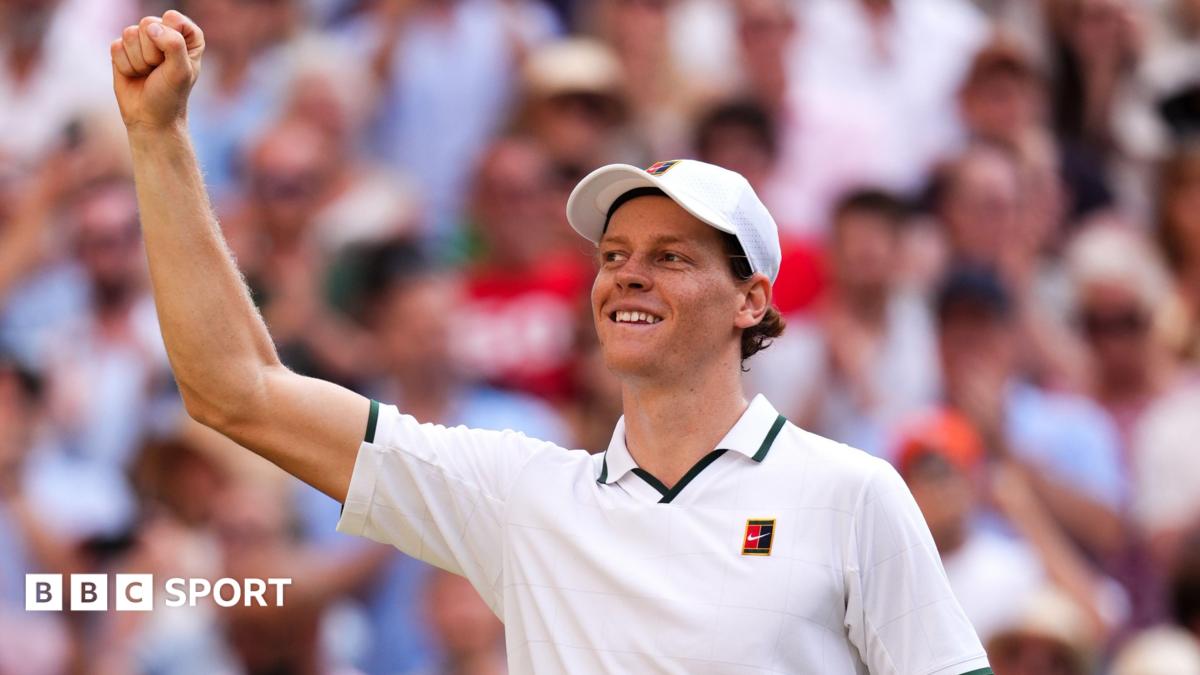
How Events Unfolded
The match was settled by small openings that Sinner converted with ruthless efficiency. He broke late in the first set, midway through the second and early in the third, preventing Djokovic from building any sustained pressure. The world number one then closed the match with eight unanswered points across his final two service games.
Sinner's serve shaped the afternoon. He struck 16 aces, won 88% of points behind his first serve and faced only one break point, which he erased with an ace. His wider performance was just as controlled: 40 winners against 15 unforced errors, according to the BBC match report.
Djokovic stayed close on the scoreboard, but rarely looked close to changing the direction of the match. Sinner repeatedly pushed him deep behind the baseline, attacked second serves and mixed his delivery well enough to frustrate one of the sport's most accomplished returners.
The victory gave Sinner his 99th Grand Slam match win and made him the first Italian man to reach multiple Wimbledon singles finals. One more victory would also make him the 10th man in the Open era to retain the Wimbledon title.
The Fine Print
Djokovic entered the semi-final after a five-hour, 15-minute quarter-final against Felix Auger-Aliassime. That physical demand mattered because Sinner's game forced him to react quickly, defend both corners and repeatedly play from uncomfortable positions. Djokovic later said he was physically all right, but admitted Sinner was sharper, better balanced and simply operating at a higher level.

The second-serve numbers expose the gap more clearly than the scoreline. Djokovic won 34% of his second-serve points, while Sinner won 61% of his. That difference allowed Sinner to begin more return rallies on even terms and escape his own difficult service games before Djokovic could establish momentum.
- Break point
- A point that gives the returning player an immediate chance to win the opponent's service game.
- Open era
- The period since 1968, when professional players were permitted to compete alongside amateurs at major tournaments.
- First-serve points won
- The percentage of points a player wins when the first serve lands legally in the service box.
The Response
Sinner said he knew his level had to rise against Djokovic and credited aggression and serving variety for keeping the seven-time Wimbledon champion under pressure.
It's the most special tournament we have. It means a lot to me to play another final here.
Djokovic offered no excuses in his assessment. Speaking after the defeat, he acknowledged that Sinner had controlled the contest from start to finish.
He was just a level or more better than I was. I was just not sharp enough, not reactive enough, not balanced enough to play him. That's it.
Despite the loss, Djokovic told the Guardian he hopes to return to Wimbledon at least once more. He will be 40 by next year's tournament, but pointed to his recent major results as evidence that he can still compete near the top of the game.
Putting It in Perspective
This was Sinner's second consecutive Wimbledon semi-final victory over Djokovic, but it carried extra weight after Djokovic beat him in five sets at the Australian Open earlier in 2026. Sinner adjusted by trusting his serve, staying aggressive and refusing to let missed opportunities alter his approach.
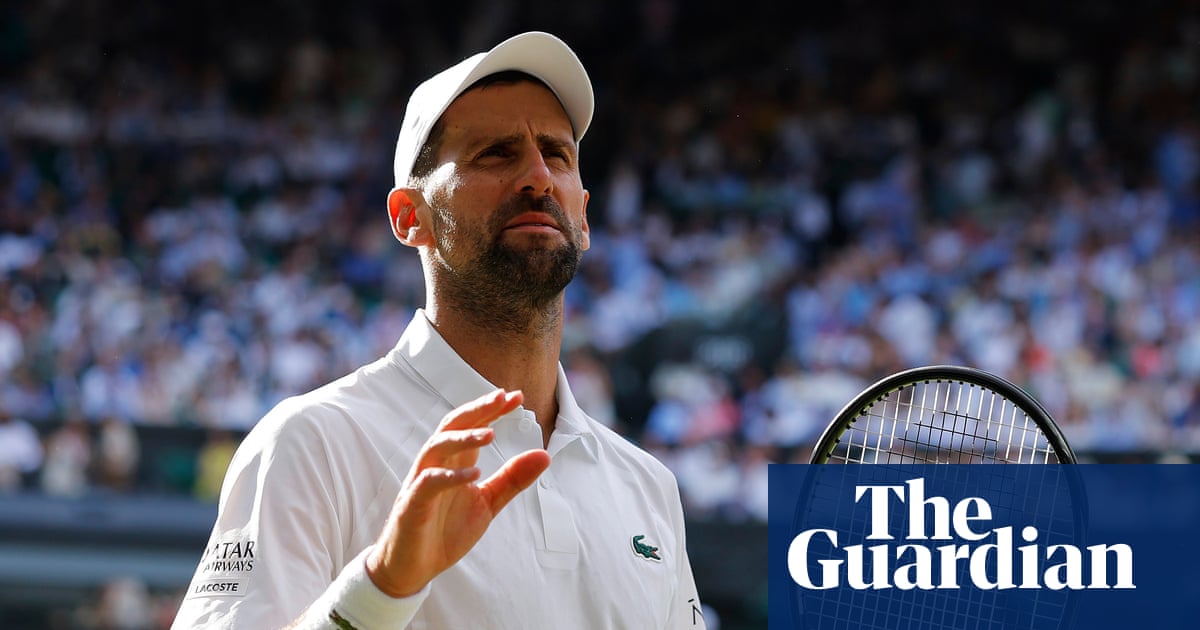
For Djokovic, the result sharpens the contrast between remaining elite and winning another major. He has continued to reach the final stages of Grand Slams, yet the physical and tactical demands of defeating the leading players across successive rounds have become harder to overcome.
British interest in the men's draw also ended earlier on Friday when wildcard Arthur Fery lost 7-6, 6-2, 6-4 to Zverev. His run still made him only the fifth British man in the Open era to reach the Wimbledon semi-finals, giving home supporters an unexpected storyline deep into the second week.
Looking Ahead
Sunday's final will bring together the top two seeds on Centre Court. Sinner carries a 13-match Wimbledon winning streak, while Zverev has won 13 consecutive Grand Slam matches after claiming the French Open title.
Sinner leads their tour-level head-to-head 10-4 and has won their past nine meetings, including the 2025 Australian Open final in straight sets. Zverev, however, arrives in his first Wimbledon final with the confidence of a recent major champion. The men's final is scheduled for Sunday, 12 July, and will not begin before 4pm BST.
FAQ
Did Jannik Sinner beat Novak Djokovic at Wimbledon 2026?
Yes. Sinner defeated Djokovic 6-4, 6-4, 6-4 in the men's semi-final on Friday, 10 July. The match lasted two hours and 20 minutes.
Who will Jannik Sinner play in the Wimbledon final?
Sinner will face Alexander Zverev. Zverev reached his first Wimbledon final by beating British wildcard Arthur Fery in straight sets.
When is the Wimbledon men's final in 2026?
The men's singles final is scheduled for Sunday, 12 July. It will be played on Centre Court and is not due to start before 4pm BST.
How many aces did Sinner hit against Djokovic?
Sinner served 16 aces. He also won 88% of his first-serve points and saved Djokovic's only break point with an ace.
Will Novak Djokovic play Wimbledon again?
Djokovic said he would like to return at least one more time. He will be 40 years old if he competes at Wimbledon in 2027.
What is Sinner's record against Zverev?
Sinner has won 10 of their 14 tour-level meetings. He has also won their past nine encounters, including the 2025 Australian Open final.

Resources
Sources and references cited in this article.