
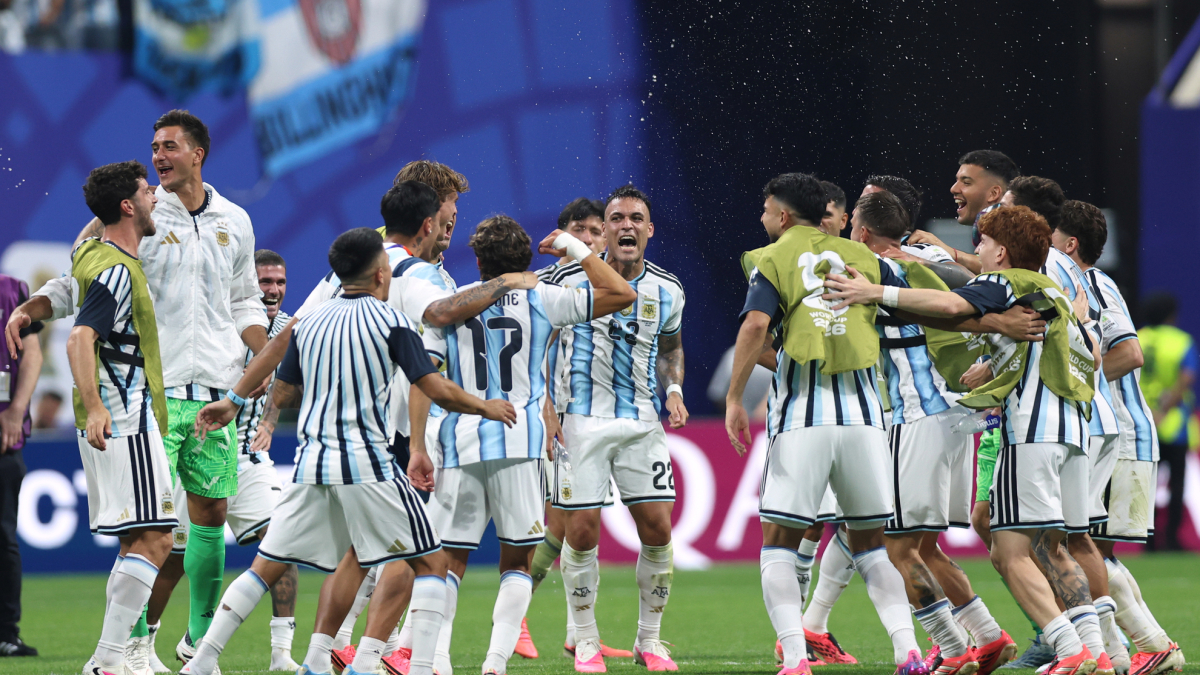
A racist chant aimed at France's Black footballers has returned to public view during Argentina's 2026 World Cup campaign, reviving scrutiny of behaviour that previously reached Chelsea's dressing room. The song questions whether French players of African heritage are genuinely French and links them to Angola. Its reappearance has widened the discussion beyond individual supporters, towards Argentina's treatment of race and its historical portrayal as an overwhelmingly white nation.
What We Know So Far
The controversy centres on a chant targeting members of the French national team whose families have African roots. According to WION's account of the controversy, versions of the song were heard around the 2022 World Cup final, during Argentina's celebrations after winning the 2024 Copa América and among supporters at the 2026 tournament.
Argentina midfielder Enzo Fernández broadcast part of the 2024 celebration on Instagram. He later apologised, while Chelsea opened an internal disciplinary process. MARCA reported that he was expected to receive a fine and complete a racism education programme, and that he also apologised privately to teammates before returning for pre-season.
The footage has resurfaced after Clarence Hill Jr., described by MARCA as a member of the Dallas Cowboys' media team, criticised fans and athletes who continued to support Argentina. His intervention brought an old incident back into discussion while the national side competed at the 2026 World Cup.
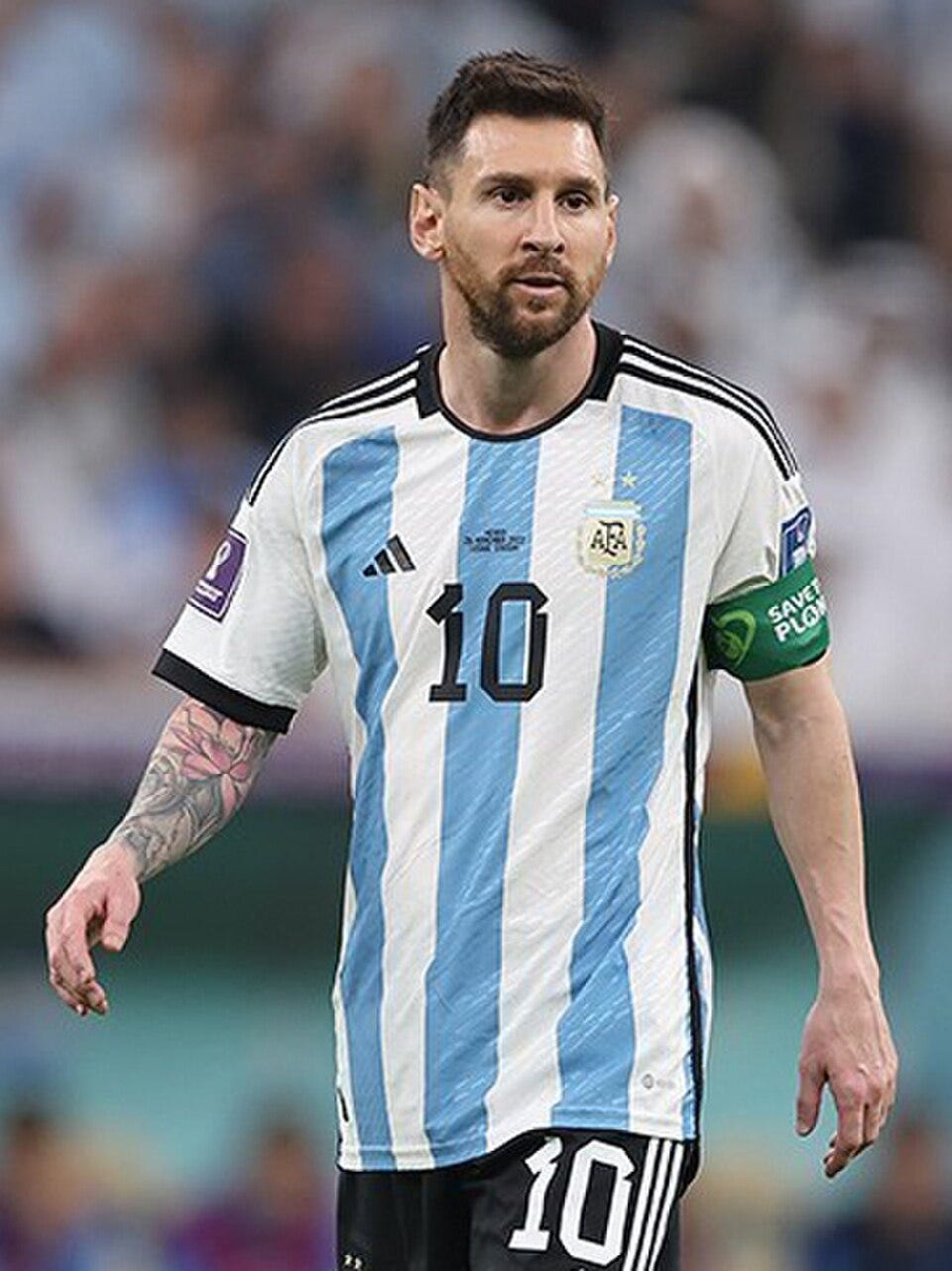
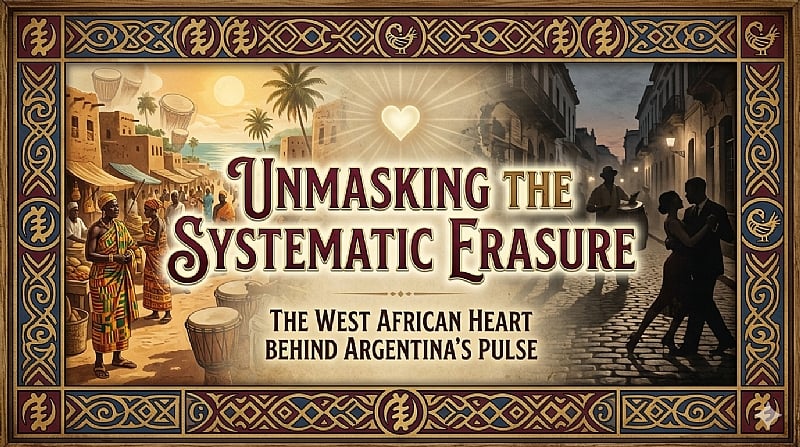
The sources also connect the football incidents to a longer historical argument. A Buenos Aires census from 1778, cited by WION, recorded Afro-descendants as 37 per cent of the city's population. Another article cited estimates ranging from 30 to 45 per cent during the late colonial period. European immigration, military deaths, epidemics and official policies promoting a whiter national identity are presented as major reasons Afro-Argentines later became far less visible in censuses and public narratives.
These accounts describe Black soldiers being sent into the Argentine War of Independence and the War of the Triple Alliance, while impoverished Afro-Argentine communities suffered heavily during Buenos Aires's 1871 yellow fever outbreak. They also describe the displacement and forced labour of Indigenous people during the nineteenth-century campaign known as the Conquest of the Desert.
- White myth
- The belief that Argentina is an almost exclusively European country, despite its Afro-descendant and Indigenous history.
- Whitening
- Policies and social practices intended to increase European immigration while reducing the official visibility of non-white populations.
- Afro-Argentine
- An Argentine person descended from African communities present in the country during and after the colonial period.
What People Are Saying
Yall can root for Messi and these racists all you want to but this is what you are supporting. Attention all American athletes,
Hill's criticism focused on the responsibility of supporters and public figures who celebrate the team while the footage remains unresolved in the public conversation. His comments were aimed at the broader culture surrounding Argentina's success rather than Fernández alone.
Chelsea defender Wesley Fofana, a France international and Fernández's teammate, described the 2024 video as “uninhibited racism.” That response mattered because the targeted players included French footballers of African heritage, and the incident directly affected relationships inside an English club.
How This Affects You
For audiences in Britain, the story has a direct connection through Chelsea, one of the Premier League's most prominent clubs. Fernández's actions forced the club to address alleged discrimination involving an employee and several teammates, showing how conduct during international duty can quickly become a workplace and safeguarding issue in English football.
The dispute also tests how clubs, governing bodies and broadcasters respond when racist language is framed as football tradition or celebration. Supporters may see more scrutiny of chants at international fixtures, while Premier League employers face pressure to act consistently when players' behaviour abroad affects colleagues in Britain.
Coming Up
The supplied reports identify no new disciplinary hearing or confirmed sanction connected to the resurfaced footage. The immediate focus is therefore on how Argentina's supporters, players and football authorities respond as the World Cup continues, and whether renewed attention produces any formal action beyond the measures Chelsea took after the 2024 incident.
At a Glance
- An offensive chant targeting France's Black players has resurfaced during the 2026 World Cup.
- The same song appeared in footage from Argentina's 2024 Copa América celebrations.
- Enzo Fernández apologised and faced an internal disciplinary process at Chelsea.
- Wesley Fofana called the footage “uninhibited racism.”
- Historical records cited by the sources show that Afro-descendants once formed a substantial part of Buenos Aires's population.
- The controversy is relevant in Britain because it affected relationships and disciplinary decisions at a Premier League club.
Frequently Asked Questions
What was the Argentina chant about?
It questioned whether Black members of France's national team were genuinely French and linked them to African countries, including Angola.
Why is Enzo Fernández involved?
He broadcast Argentina players singing the chant during celebrations after their 2024 Copa América victory. He later apologised, and Chelsea began an internal disciplinary process.
Why has the video become prominent again?
It circulated again during the 2026 World Cup, prompting renewed criticism from Clarence Hill Jr. and further discussion on social media.
Does Argentina have an Afro-descendant history?
Yes. The sources cite census and archival records showing a substantial Afro-descendant population in Buenos Aires during the colonial and early national periods.
Why does this matter to football fans in Britain?
The incident involved a Chelsea player and affected his relationships with teammates, making it relevant to workplace conduct, anti-racism policies and accountability in the Premier League.