
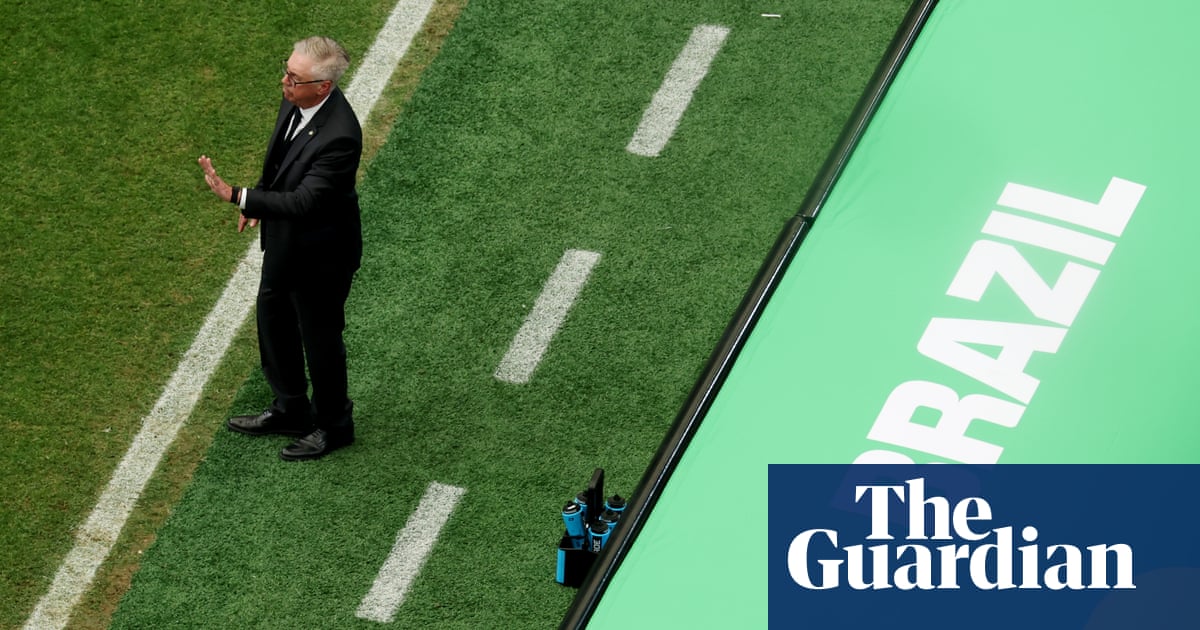
Brazil were wobbling again when Japan struck first, and the anxiety of recent tournaments was suddenly visible. This time, the response was different. Carlo Ancelotti's side recovered to win 2-1, sharpening a bigger question: can calm, control and pragmatism take Brazil to a sixth World Cup?
How Events Unfolded
Brazil reached the tournament carrying a turbulent recent history. Since the 2022 World Cup in Qatar, the national team had gone through four managerial changes, called up 95 players and endured a political crisis that included the ousting of the Brazilian Football Confederation president. The instability fed pessimism among supporters.
The World Cup itself has not been smooth. Brazil drew 1-1 with Morocco, then beat Haiti and Scotland, before falling behind against Japan in the last 32. Since 2023, Brazil had conceded first 12 times and won only once in those matches, so Keishu Sano's opener carried unusual weight.
Ancelotti used half-time to reset the team. Casemiro and Gabriel Martinelli scored in the second half to complete a 2-1 comeback, with Martinelli getting the winner. Recent Brazil sides had often unravelled after conceding first; this one recovered.
The approach has also involved hard decisions. Neymar, 34, has played only 14 minutes at the tournament, against Scotland, and did not feature against Japan. Ancelotti has instead built around a changing hierarchy in which Vinícius Júnior is described as Brazil's most important player.
The Fine Print
Ancelotti's appointment was always about more than tactics. He became the first non-native coach to take charge of Brazil, a choice that challenged a powerful football tradition and left some supporters sceptical. For many, only a successful World Cup run would justify turning to an outsider.
His answer has been gradual rather than dramatic. Brazil have not looked relentlessly fluent, and their midfield struggled with the intensity of Morocco and Japan, but the team have repeatedly found ways to stay in matches. As one account of Brazil's new approach put it, the debate is simple: a less romantic style, but one designed to survive pressure.

The manager has backed that work with attention to psychology. Marisa Santiago is the first psychologist to be part of Brazil's coaching staff at a World Cup, and Ancelotti speaks to her daily for advice on the players' mental game. That focus helps explain why experienced figures including Alisson, Danilo, Marquinhos and Casemiro are described as more at ease.
The Response
Inside the squad, support has centred on Ancelotti's ability to reduce noise and restore confidence. Alisson said the atmosphere had changed since the manager arrived, while Marquinhos credited him with changing the team's mindset and creating a philosophy centred on wellbeing.
We might concede a goal, but we're ready to react.
That line captures the difference Brazil are trying to show. The team are not pretending problems have disappeared; they are trying to prove that setbacks no longer dictate the result.
Ancelotti has also answered criticism with a reminder of his experience. He said he had prepared for more than 1,400 matches and named Alex Ferguson, who he said had prepared for more than 2,000, as the only person truly placed to advise him. For British readers, that comparison resonates, but the immediate test is whether Brazil can keep winning.
Putting It in Perspective
The stakes are larger than one comeback. Brazil have not beaten a European team in a World Cup knockout match since defeating Germany in the 2002 final. Their subsequent exits came against France, the Netherlands, Germany, Belgium and Croatia.

That sequence is why the next match carries such weight. Norway bring Erling Haaland, who has scored five goals in three games according to The Mirror, while Brazil's difficulties against energetic opponents remain unresolved. Ancelotti has said he is not obsessed with stopping Haaland, but Brazil cannot afford another slow start.
For UK viewers, the story has familiar reference points: Brazil have already beaten Scotland, Martinelli scored the winner against Japan, and Ancelotti's defence of his record invoked Manchester United legend Sir Alex Ferguson.
Looking Ahead
Brazil's next confirmed test is a last-16 tie with Norway in New York on Sunday. The task is clear: control Haaland, cope with Norway's physical approach and avoid letting another early goal become a deeper crisis.
A win would not settle every argument about style, selection or Neymar's limited role. It would extend the evidence that Ancelotti has given Brazil something they lacked during a chaotic cycle: a way to stay composed when a World Cup match goes wrong.
FAQ
Who is the Brazil manager at the 2026 World Cup?
Carlo Ancelotti is Brazil's head coach. He took the team into the tournament after a cycle featuring four managerial changes and 95 player call-ups since Qatar 2022.
How did Brazil beat Japan?
Brazil came from 1-0 down to win 2-1 in the last 32. Casemiro and Gabriel Martinelli scored in the second half, with Martinelli getting the winner.
Why has Carlo Ancelotti been criticised?
Critics have questioned Brazil's cautious style and slow starts, especially after the Japan match. Ancelotti has defended his record by pointing to more than 1,400 matches prepared during his career.
How much has Neymar played at the World Cup?
Neymar has played 14 minutes, all against Scotland, and did not feature against Japan. Ancelotti has left him out of the starting XI.
Who do Brazil play next?
Brazil face Norway in a last-16 tie in New York on Sunday. Norway have Erling Haaland, who has scored five goals in three games according to The Mirror.