Denise Parnell today: Djokovic challenges Wimbledon roof call
7.40pm was the time that turned a Wimbledon quarter-final into a public argument about consistency. Novak Djokovic challenged tournament referee Denise Parnell after Centre Court's roof was ordered shut with his match against Felix Auger-Aliassime level at one set each. The dispute mattered because Djokovic said the same court had remained open much later on previous evenings, while several former players watching for the BBC also questioned the timing.

The Bottom Line
- Denise Parnell ordered the Centre Court roof closed at about 7.40pm, after Felix Auger-Aliassime levelled the match at one set each.
- Djokovic argued that Wimbledon had waited until roughly 8.20pm to 8.30pm before closing the roof during an earlier match.
- Auger-Aliassime also appeared surprised and asked whether the roof would close even if both players wanted to continue outdoors.
- BBC commentators Todd Woodbridge and Tim Henman said play probably could have continued, although Henman described the decision as a conservative attempt to avoid a later interruption.
- Play resumed shortly before 8pm after the roof had closed and the players completed a brief warm-up.
Breaking It Down
The flashpoint came after a demanding opening two sets. Djokovic won the first 7-6, taking the tie-break 12-10 after an 82-minute set, before Auger-Aliassime responded by winning the second 6-3. With the quarter-final level, Parnell came onto court to tell the players the roof would be closed.
Djokovic immediately challenged the timing. He pointed back to an earlier match in which the roof had stayed open until around 8.20pm or 8.30pm and argued that another set could still be played outside. According to the detailed Centre Court account, his complaint focused on what he saw as a different standard being applied at 7.40pm.
Where is the consistency? You're so proud of your rules, and you're not sticking to any kind of rule. We have no idea what the rule is.
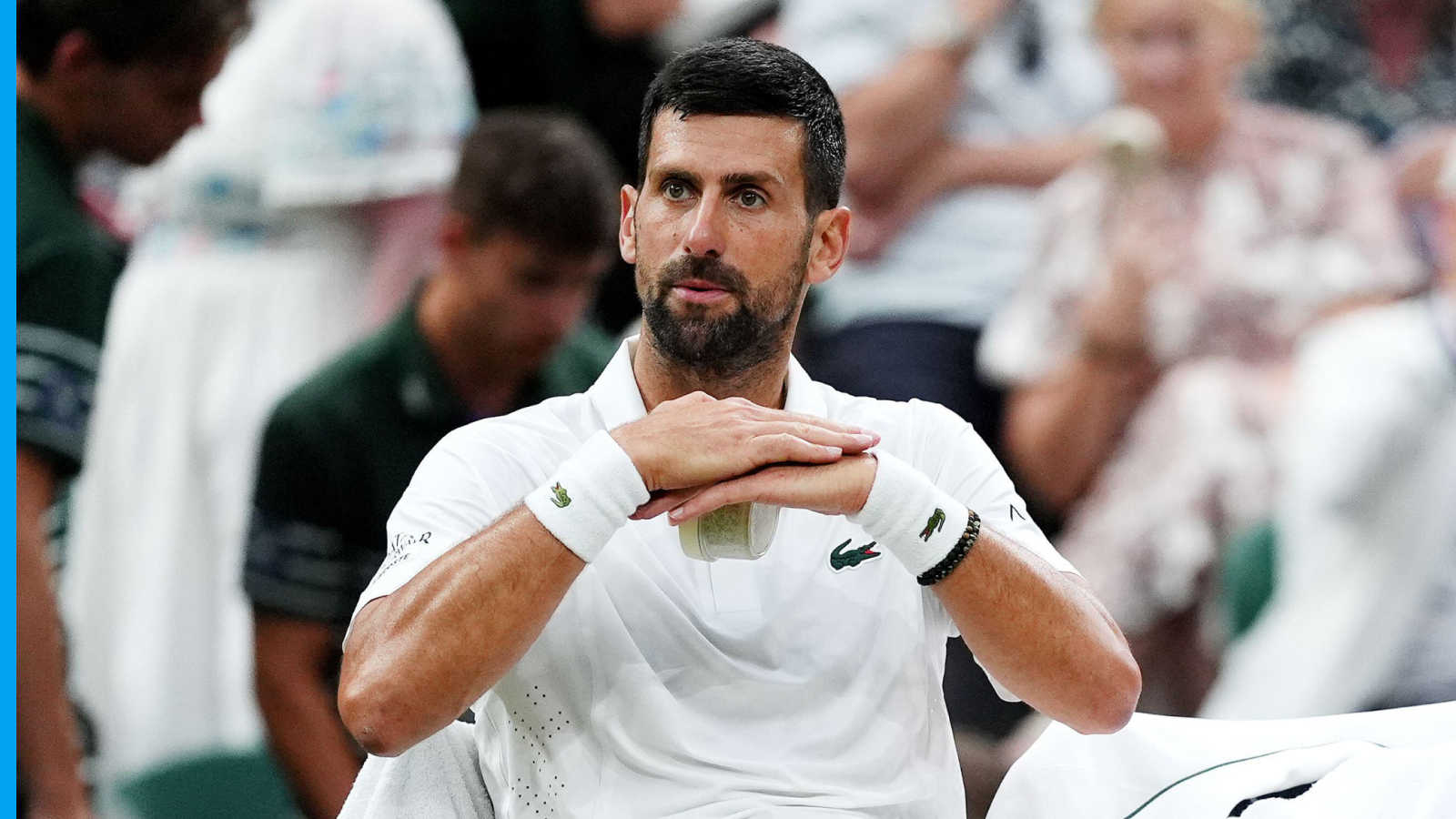
Parnell referenced Jannik Sinner's match against Shintaro Mochizuki, when the roof had been closed during the second set at 4-4 after fading light became an issue. Djokovic rejected that comparison and said he was concerned with the conditions and decisions affecting his own match. Auger-Aliassime then asked, "For sure we close now?" and appeared to question whether the decision stood even if both players preferred to remain outdoors.
The reaction from the commentary box showed that the dispute was not simply a player venting after losing a set. Todd Woodbridge said he was perplexed because previous evenings had followed a later pattern. Tim Henman offered the clearest defence of Parnell's decision: the end of a set provided a convenient stopping point and avoided the risk of halting play at 4-4 or 5-5 in the third. The roof normally takes about eight to 10 minutes to close, and the match resumed at 7.54pm according to The i Paper's match report.
- Roof closure
- The process of shutting Centre Court's retractable roof so play can continue under artificial lighting.
- Tie-break
- A deciding game used to settle a set when the score reaches the required level.
Why This Matters
The dispute centres on predictability. Players prepare for different conditions outdoors and under a closed roof, and an interruption can change the rhythm of a match. That was especially relevant here because eight of Auger-Aliassime's nine tour titles had come indoors, although the Canadian himself also appeared surprised by the closure.
For a British audience, the argument cuts straight to how Wimbledon manages its most famous stage. Several voices associated with the BBC coverage and the All England Club accepted that there was still enough light to continue, while Henman explained why officials may have preferred a planned break at the end of a set. The disagreement, then, was less about whether the roof could be closed and more about whether players could anticipate when that decision would be made.

The timing also carried a practical consequence. Soon after play resumed, a lengthy second game on Auger-Aliassime's serve featured seven deuces and three saved break points. After 34 minutes of third-set play, the score was only 1-1, supporting the concern that waiting longer could have forced another stoppage at an awkward stage.
What Comes Next
The confirmed next step in the match was straightforward: play continued under the closed roof after a short warm-up. The sources provided do not include the final result of the quarter-final or any confirmed Wimbledon response to Djokovic's complaint.
The episode leaves one immediate question around future Centre Court matches: whether similar evening decisions will follow a more predictable timing pattern when light begins to fade.
FAQ
Why did Denise Parnell close the Wimbledon roof?
Tim Henman said the end of the second set offered a convenient moment to close it and reduced the risk of interrupting the third set at a crucial score such as 4-4 or 5-5.
Why was Novak Djokovic angry about the roof decision?
He said Wimbledon had waited until around 8.20pm or 8.30pm on an earlier evening, while his quarter-final roof closure was ordered at about 7.40pm.
Did Felix Auger-Aliassime want the roof closed?
He appeared surprised by the decision and asked whether the roof would still be closed even if both players wanted to remain outdoors.
What did BBC commentators say about the decision?
Todd Woodbridge said he was perplexed and believed more outdoor play was possible. Tim Henman agreed they probably could have continued but called the closure a conservative decision designed to avoid a later interruption.
When did play restart after the roof closed?
The match resumed at about 7.54pm, shortly after the players returned to court and completed a brief warm-up.

Resources
Sources and references cited in this article.