
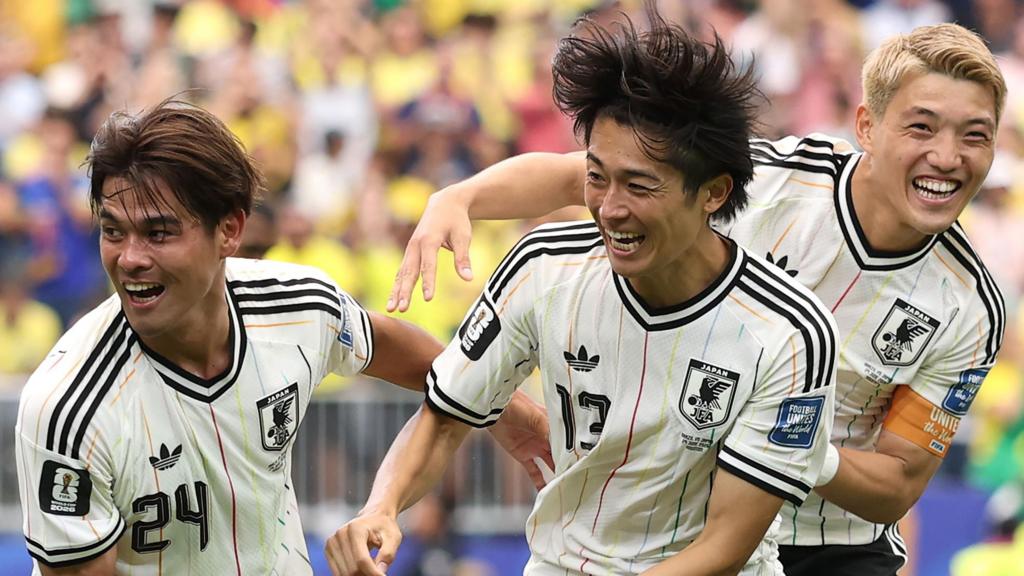
Houston had the feel of a Brazilian party at kick-off, yellow shirts in the stands and Carlo Ancelotti's side expected to push on. By half-time, the noise had changed: Japan were 1-0 up, organised, fearless and making Brazil look short of answers. Kaishu Sano's 29th-minute drive put Japan ahead in the World Cup round of 32, with the winner set to face either Norway or Ivory Coast in the last 16. The match kicked off at 18:00 BST, with UK viewers able to follow it on ITV1, ITVX, STV and STV Player via the listings cited by Al Jazeera's match guide.
How Events Unfolded
Brazil began with the ball and the reputation, but Japan had the clearer plan. The early pattern was familiar: Vinicius Jr trying to find space, Brazil's midfield pushing forward, and Japan dropping into shape before springing out with speed.
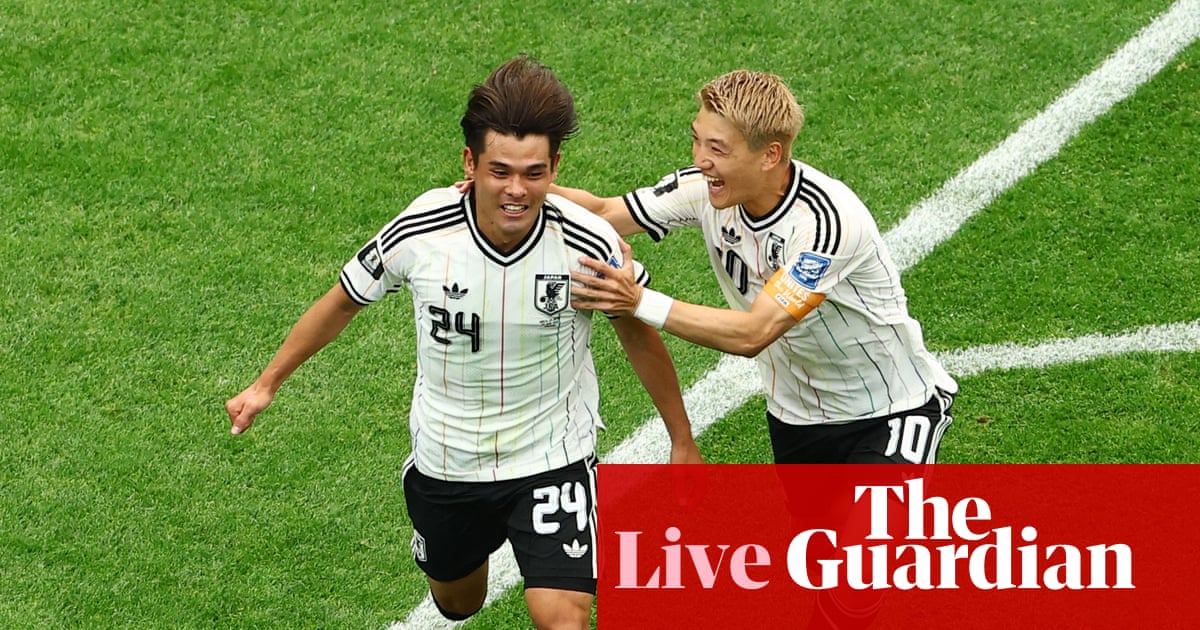
The key moment came in the 29th minute. Sano intercepted in midfield, drove forward and struck low into the far corner, a goal described by multiple live reports as a superb or powerful finish. TNT Sports called it his first international goal, while the BBC said he beat Alisson after driving from halfway.
That goal carried extra edge because Sano had already been booked for a challenge on Vinicius Jr. Brazil players also felt he was fortunate to stay on after a later incident involving Matheus Cunha, according to the BBC live text.
Japan protected the lead with discipline rather than panic. At the break, the BBC had Brazil down 1-0 and noted that Ancelotti needed to inspire his team, while The Guardian said Japan had preserved the lead for 20 minutes with little difficulty.
The Fine Print
This was not a random scare for Brazil. Japan arrived unbeaten in the tournament after drawing 2-2 with the Netherlands, beating Tunisia 4-0 and drawing 1-1 with Sweden. Brazil, meanwhile, had topped Group C after a 1-1 draw with Morocco and 3-0 wins against Haiti and Scotland.
The tactical tension was clear before kick-off. Brazil had Vinicius Jr and Matheus Cunha as their main attacking threats, with Vinicius scoring four times and Cunha three in the group stage, according to Al Jazeera. Japan's threat was more collective, with Ayase Ueda and Daichi Kamada on two goals each before this tie.
That is exactly where Brazil struggled. The Independent reported Brazil were unable to find Rayan or Vinicius in space because of Japan's set-up, while the London Evening Standard said Cunha was forced to shoot from 25 yards because there was simply no space to carve open better chances.
The Response
Before the game, Ancelotti had already warned that knockout football would demand more than talent. He described Japan as one of the best teams in the world and said Brazil needed mental clarity as much as technical quality.
We need a lot of things: A strong mind, a strong heart, a clear mind.
Japan coach Hajime Moriyasu framed the challenge around collective effort rather than one star. His comments mattered because Japan's first-half lead was built on exactly that: pressing, compact defending and quick support around the ball.
All the players will do what they can for the team and contribute.
BBC pundit Chris Sutton had predicted trouble for Brazil earlier in the day, saying he did not think Brazil had the legs to deal with Japan's rapid attacks. That concern looked sharper after Sano ran through midfield to score.
Putting It in Perspective
For Brazil, this was a test of whether their group-stage recovery had real depth. Wins over Haiti and Scotland had rebuilt momentum, but several sources pointed out that Japan were a much sterner opponent because of their energy and structure.
The history added weight. Brazil had lost only once to Japan in the all-time head-to-head record before this match, with 11 wins, two draws and one defeat listed by Al Jazeera. That lone defeat came in October 2025, when Japan came from two goals down to win 3-2 in Tokyo.
For UK viewers, the story also carried a familiar Premier League thread. Arsenal supporters know Takehiro Tomiyasu, Crystal Palace fans know Daichi Kamada, and Newcastle's Bruno Guimaraes and West Ham-linked Lucas Paqueta were both part of Brazil's midfield battle in Houston.

Looking Ahead
The match still had another half to play after Japan's 1-0 interval lead. What was confirmed was the prize: the winner would meet either Norway or Ivory Coast in the last 16.
Brazil needed a response from Ancelotti, especially in midfield, where Casemiro had been booked and repeatedly mentioned in live reports for difficult moments. Japan, meanwhile, had a clear route: keep the block compact, protect Zion Suzuki and keep testing Brazil's legs whenever the ball turned over.
If Japan hold on, it would be a landmark result for a side that had never won a World Cup knockout game before this tournament, according to Al Jazeera. If Brazil turn it around, it would be another reminder that knockout football can swing fast, even when the favourite looks rattled.
FAQ
What was the Brazil vs Japan score at half-time?
Japan led Brazil 1-0 at half-time in the World Cup round of 32. Kaishu Sano scored in the 29th minute after intercepting in midfield and driving forward.
Who scored for Japan against Brazil?
Kaishu Sano scored Japan's opener. TNT Sports reported it was his first international goal, struck low from around 20 yards after Japan's high press created the chance.
Where was Brazil vs Japan played?
The match was played at Houston Stadium in the United States. Al Jazeera listed the fixture as Brazil vs Japan in the FIFA World Cup 2026 round of 32.
Who will Brazil or Japan play next?
The winner of Brazil vs Japan will face either Norway or Ivory Coast in the last 16. That next opponent was listed in the BBC and Al Jazeera coverage.
How did Japan reach the World Cup round of 32?
Japan finished second in Group F. They drew 2-2 with the Netherlands, beat Tunisia 4-0 and drew 1-1 with Sweden.
How can UK viewers watch Brazil vs Japan?
Al Jazeera's match guide listed ITVX, ITV1, STV Player and STV for the United Kingdom. The match kicked off at 18:00 British Summer Time.