Miami Grand Prix start time moved amid storm threat as Norris eyes advantage
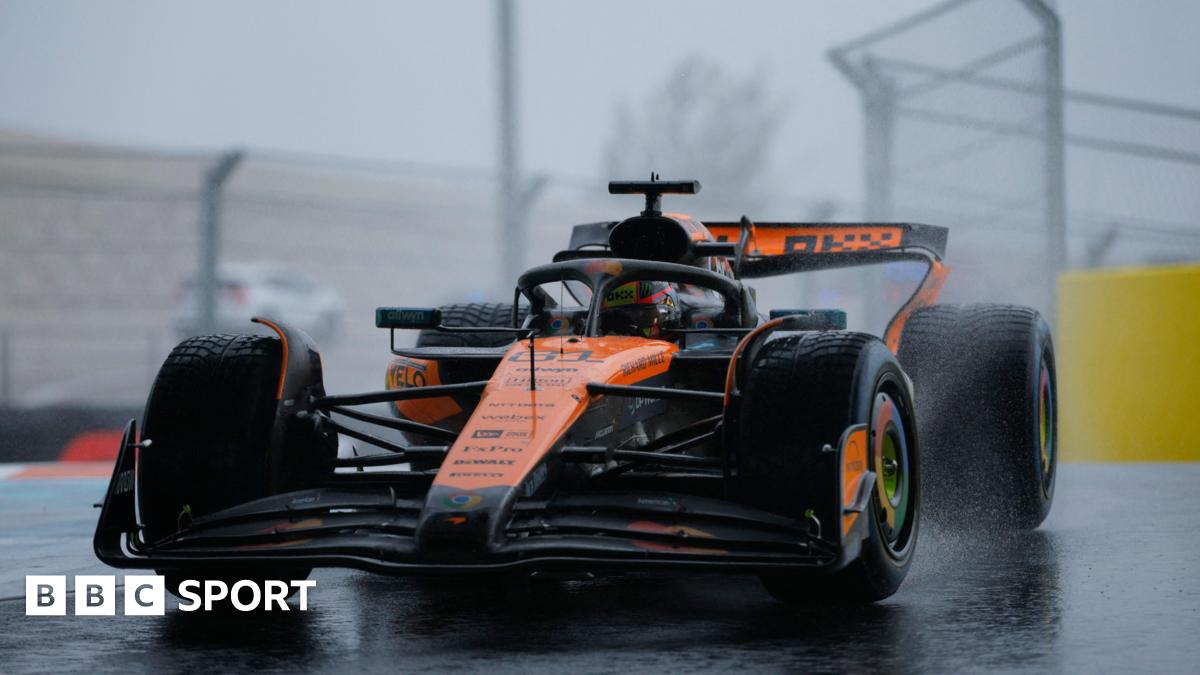
British fans tuning in for Sunday’s Miami Grand Prix will need to adjust their plans — and quickly. Organisers have brought the race forward by several hours due to an incoming band of thunderstorms over Florida. That shift could reshape strategy, timing, and even the outcome — particularly for drivers like Lando Norris, who’ve shown strong pace in tricky conditions.
The decision comes after weather forecasts warned of lightning and heavy rain later in the evening. For viewers in the UK, it means an earlier-than-expected lights out — and potentially a far more unpredictable race.
Context & Background
Miami has quickly become one of Formula 1’s headline events since joining the calendar, but it’s also notorious for unpredictable weather. Late spring in Florida often brings fast-moving storms — the kind that can turn a dry race into chaos within minutes.
This isn’t the first time weather has forced a rethink. In recent seasons, F1 has increasingly taken proactive decisions to avoid delays or safety risks, particularly where lightning is involved. The governing body has strict protocols — and for good reason.
For UK audiences, these changes matter more than you might think. A shift of just a couple of hours can mean the difference between a prime-time watch and a late-night scramble — especially on a packed sporting weekend.
Here's What Happened
Race officials confirmed the start time would be moved forward by roughly three hours, landing at around 6pm UK time. The aim? Beat the worst of the incoming storm system expected to hit later in the evening.
Forecasts had pointed to a high risk of lightning strikes — not just rain — which presents a major safety concern for drivers, teams, and spectators. Unlike a typical wet race, lightning forces immediate suspension.
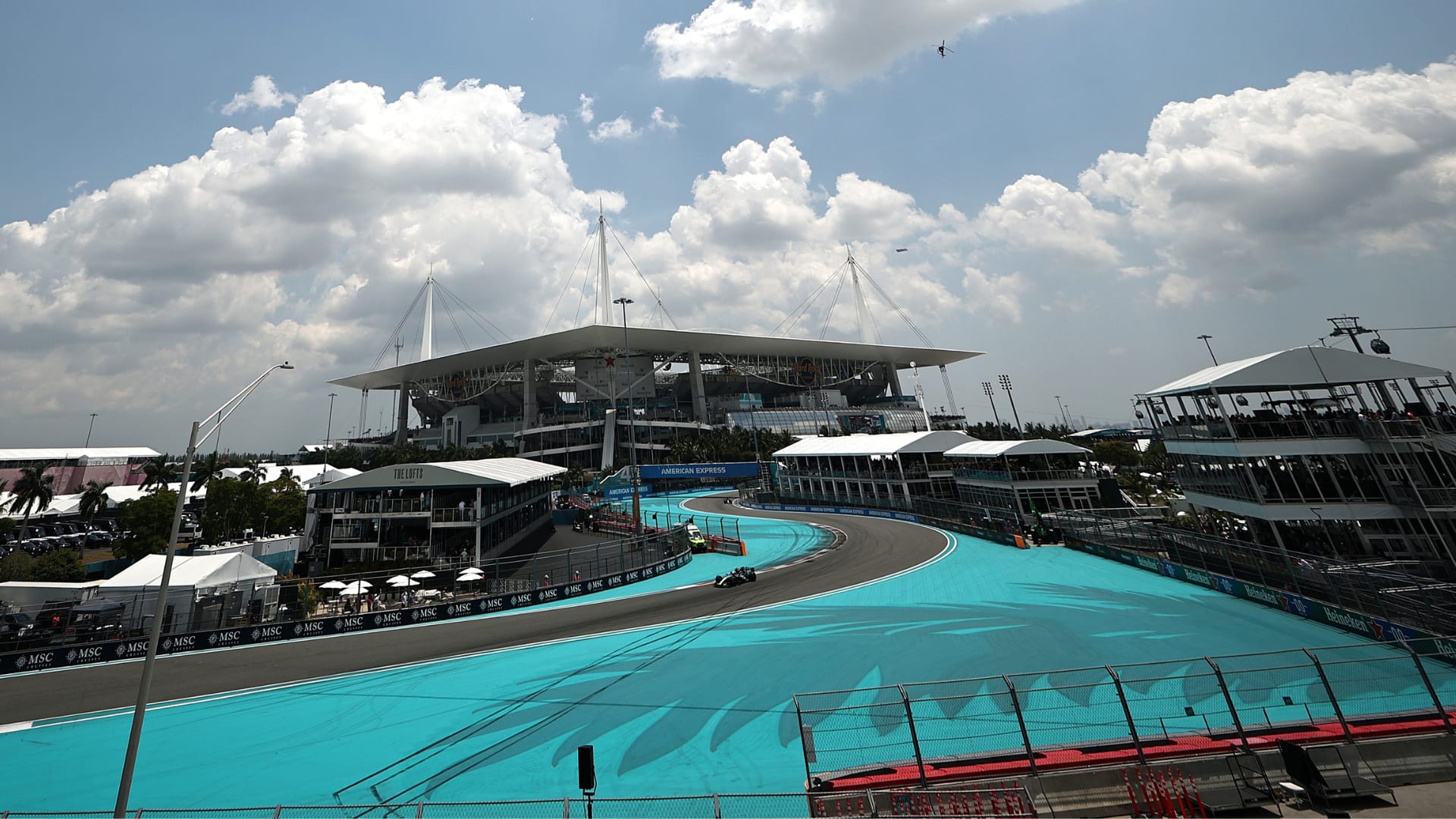
The grid itself had already set up a fascinating contest. Mercedes secured another pole position after a strong qualifying performance, while McLaren’s Lando Norris remained firmly in the mix, showing consistent pace across sessions.
Here’s the twist: earlier start times often mean hotter track conditions, but with storms approaching, teams are now bracing for a race that could flip from dry to wet in a heartbeat. That’s when things get properly spicy.
The Response
Teams and drivers broadly backed the decision, recognising the risks involved. One senior team figure described it as a “common-sense move given the forecast”, highlighting how quickly conditions can deteriorate in Miami.
For drivers like Norris, who has built a reputation for strong performances in mixed conditions, the change could play into his hands. McLaren’s recent upgrades have also made them more competitive — adding another layer to the story.
Broadcasters, including Sky Sports F1 coverage, quickly adjusted schedules to reflect the new timing, ensuring UK viewers wouldn’t miss the action.
The Bigger Picture
Weather-related changes are becoming more frequent in Formula 1, and not just in Miami. From Belgium’s rain-soaked chaos to Japan’s typhoon threats, the sport is increasingly at the mercy of extreme conditions.
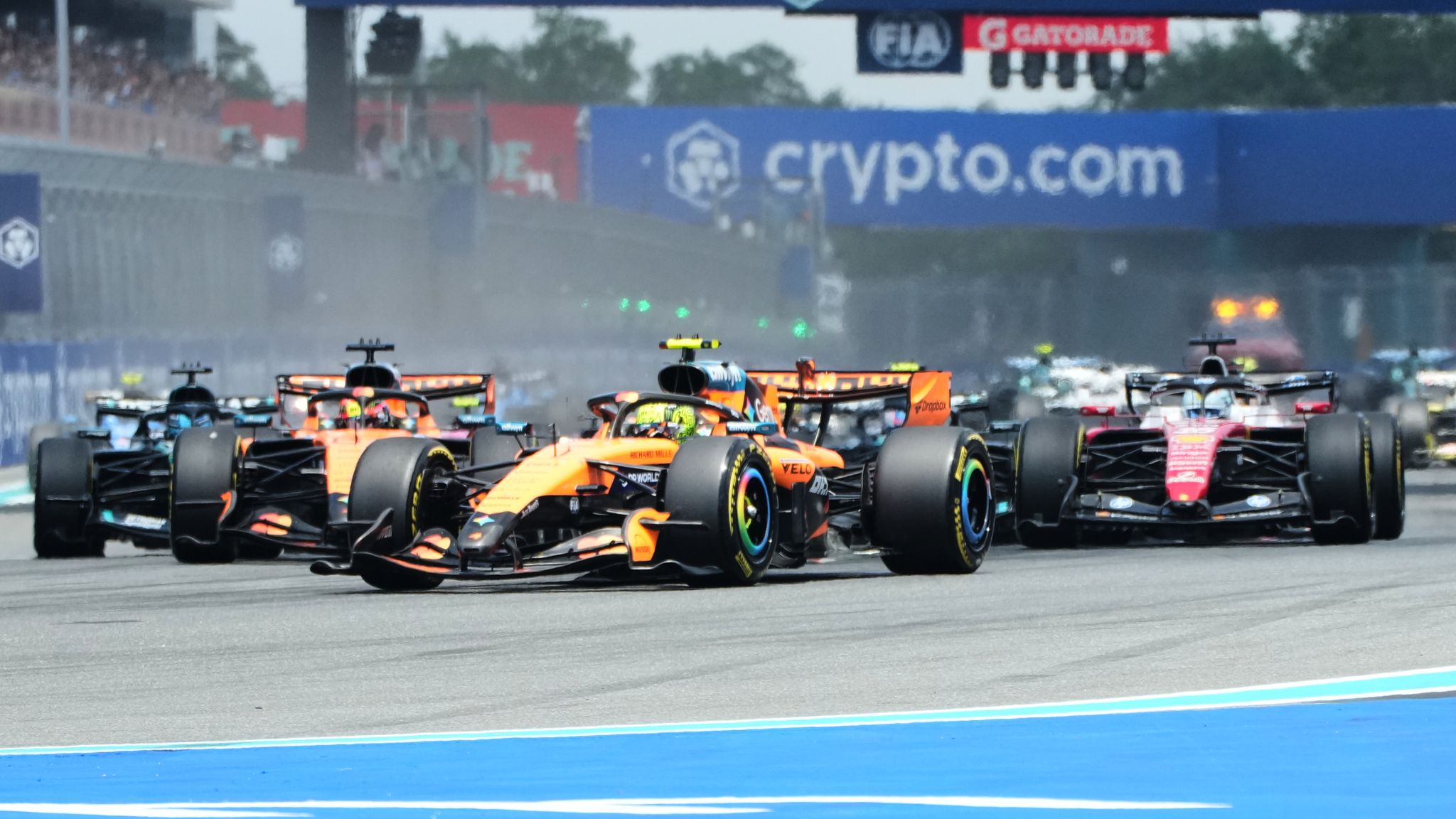
For fans, that unpredictability can be thrilling — but it also raises questions about scheduling, safety, and consistency. And for teams, it demands flexibility. Strategy calls that would normally be straightforward suddenly become high-stakes gambles.
If you’re watching from the UK, this is exactly the kind of race you don’t want to miss. When weather gets involved, anything can happen — and often does.
The Road Ahead
The revised start time is now locked in, barring further extreme developments. Teams will continue monitoring conditions up to the last moment, with contingency plans ready if the storm arrives earlier than expected.
As for Norris and the rest of the grid, it’s simple: adapt or fall behind. In a race shaped by the skies, the margins could be razor-thin.
FAQ
Why was the Miami Grand Prix start time changed?
The race was moved earlier due to forecasts of thunderstorms and lightning, which pose serious safety risks for drivers and spectators.
What time does the Miami Grand Prix start in the UK?
The race now starts around 6pm UK time, earlier than originally scheduled to avoid the worst weather conditions.
Could the race still be delayed?
Yes, if weather conditions worsen unexpectedly, officials could still delay or suspend the race for safety reasons.
How does rain affect Formula 1 races?
Rain changes tyre strategy, reduces grip, and increases unpredictability. It often leads to dramatic and unexpected race outcomes.
Is Lando Norris likely to benefit from wet conditions?
Norris has shown strong performances in mixed weather before, and McLaren’s current form suggests he could be competitive if conditions change.

Resources
Sources and references cited in this article.
![Apple Watch Series 11 [GPS 42mm] Smartwatch with Rose Gold Aluminum Case with Light Blush Sport Band - S/M. Sleep Score, Fitness Tracker, Health Monitoring, Always-On Display, Water Resistant](https://m.media-amazon.com/images/I/6110Jv9wqeL._AC_SL1500_.jpg)
