
One — that is the total number of times a player had escaped an automatic World Cup red card suspension in the modern era before FIFA shattered its own precedent on Sunday night. By freezing the mandatory ban issued to United States striker Folarin Balogun following direct political intervention from Donald Trump, football’s world governing body has plunged the 2026 World Cup into an unprecedented governance crisis. The shock ruling leaves the 25-year-old Monaco forward entirely cleared to face Belgium in Seattle on Monday night, igniting a civil war between FIFA and its European counterpart, UEFA.
The Bottom Line
- FIFA has suspended United States forward Folarin Balogun’s automatic 1-match ban for 12 months, making him eligible for the round-of-16 tie against Belgium.
- The decision followed personal phone calls from US President Donald Trump to FIFA President Gianni Infantino, with Trump branding the referee’s decision "horrible" and "suspect".
- UEFA has heavily condemned the move, stating that bypassing disciplinary protocols to cancel a tournament suspension has "crossed a red line" and threatens the integrity of football.
- The Royal Belgian Football Association (RBFA) had its urgent appeal dismissed as "inadmissible" by FIFA on technical grounds, prompting threats of further legal action through the Court of Arbitration for Sport (CAS).
- This is the first time since 1962 that an active red card during a World Cup tournament has failed to result in an immediate suspension.
Breaking It Down
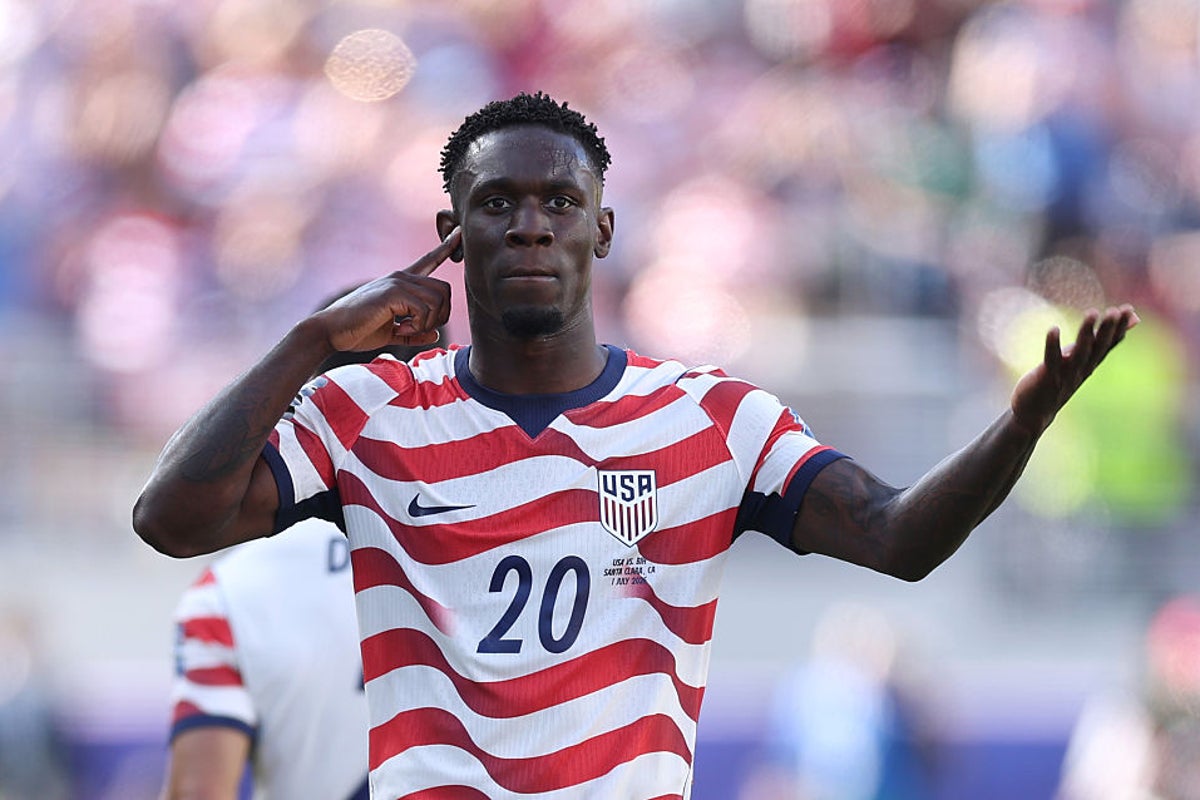
The controversy trace back to Wednesday’s round-of-32 fixture, where the USMNT secured a 2-0 victory over Bosnia and Herzegovina. In the 64th minute, Balogun was sent off by Brazilian referee Raphael Claus after a VAR review determined he had stepped on the ankle of Bosnian defender Tarik Muharemovic. Under FIFA’s standard World Cup regulations and Circular No 16, any direct red card carries an absolute, non-appealable 1-match ban. Initially, US Soccer and head coach Mauricio Pochettino appeared to accept that their leading marksman — who has scored 3 goals this summer — would sit out the knockout clash in Seattle.
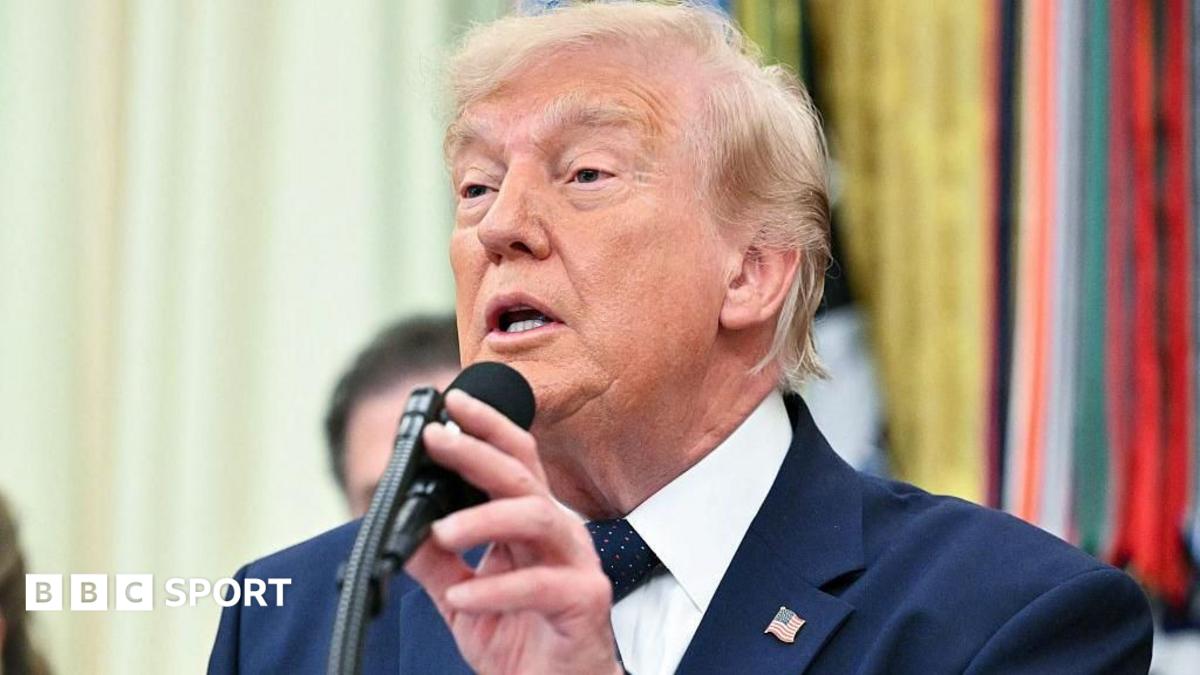
However, the dynamic shifted entirely when Donald Trump intervened. Speaking from the White House, Trump confirmed he called Infantino to demand an official review, asserting that the incident "wasn't a foul" but merely "two guys running full speed that happened to crash into each other." Following the high-level dialogue, FIFA invoked Article 27 of its disciplinary code. The clause allows a judicial body to partially suspend a sanction, placing Balogun on a one-year probationary period instead of enforcing an immediate match suspension.
The backlash across the footballing landscape was instantaneous. The RBFA lodged an immediate challenge over Balogun's eligibility, which FIFA's appeal committee quickly threw out. Led by Qatari sports lawyer Salman Al-Ansari, the committee ruled the Belgian federation was not a formal party to the original disciplinary proceedings and therefore lacked legal standing. In a scathing response, the RBFA accused FIFA of a flagrant breach of its own regulations, pointing out that officials withheld the referee’s report and failed to present the mandatory automatic suspension clause during the pre-match coordination meeting.
Why This Matters
For football fans in the UK and across the globe, this decision strikes at the very foundation of sporting fairness. FIFA statutes strictly prohibit political authorities from meddling in the independence of football governance, a rule that frequently sees smaller nations suspended from global competition. By accommodating a personal request from the leader of a host nation, FIFA faces fierce accusations of hypocrisy and institutional corruption. Former FIFA President Sepp Blatter summarised the unease on social media, writing that red cards are overturned by rules and independent evidence, not political phone calls.
The fallout has also reverberated through home shores. England head coach Thomas Tuchel, speaking shortly after managing his side’s dramatic 3-2 victory over Mexico in Mexico City, warned that the ruling sets a highly hazardous precedent. Tuchel, who saw English defender Jarell Quansah sent off during that same match, asked where the line would now be drawn if teams could endlessly litigate refereeing decisions. Former England international Wayne Rooney went further on the BBC, labeling the entire situation "an absolute disgrace" that compromises the basic sportsmanship of the World Cup.

Ultimately, the controversy leaves a permanent mark on the United States' sporting campaign. While Pochettino strongly defended the reprieve as an act of justice, international observers, including Norway coach Ståle Solbakken, argue that any potential American advancement will now carry an asterisk. Historically, the only true parallel occurred in 1962, when host-nation pressure from the Chilean president successfully convinced a panel to waive a red card ban for Brazilian legend Garrincha ahead of the World Cup final.
What Comes Next
Folarin Balogun is cleared to lead the line for the United States against Belgium at 17:00 local time in Seattle (01:00 BST on Tuesday). The winner of this highly charged encounter will progress to the quarterfinals in Los Angeles on Saturday, July 11, to face either Spain or Portugal.
Concurrently, the legal battle will shift to Switzerland. Having exhausted FIFA's internal legal channels, the Belgian federation retains the right to take an emergency claim to the Court of Arbitration for Sport (CAS) Ad Hoc Division for the 2026 World Cup. The specialized panel is legally structured to deliver definitive, Supreme Court-style judgments within 24 hours of an appeal being filed.
Frequently Asked Questions
Why is Folarin Balogun allowed to play despite getting a red card?
FIFA invoked Article 27 of its disciplinary code, which permits its judicial bodies to fully or partially suspend a suspension. Instead of sitting out the next match, Balogun has been placed on a one-year probationary period.
What was Donald Trump’s involvement in the decision?
The US President contacted FIFA President Gianni Infantino directly to complain about the referee's decision. Trump later publicly thanked FIFA on Truth Social for reversing what he termed a "grave injustice."
Why did FIFA reject Belgium’s official appeal?
FIFA's appeal committee ruled the request inadmissible because the Belgian FA was not a formal party to the original match incident between the US and Bosnia, meaning they lacked legal standing to appeal.
Has a World Cup red card suspension ever been canceled before?
This is the first occurrence since 1962, when Chile's president intervened to allow Brazil's Garrincha to play in the tournament final. In modern history, tournament red card suspensions have consistently triggered automatic bans.