
A courtroom in Stockport revisited one of English football's proudest eras through a far darker lens. Nobby Stiles, the combative midfielder who helped England win the 1966 World Cup, died with a brain condition caused by repeatedly heading footballs, a coroner has ruled. The finding connects an estimated 140,000 career headers with chronic traumatic encephalopathy, or CTE, and intensifies questions about how the game protects and supports former players.
How Events Unfolded
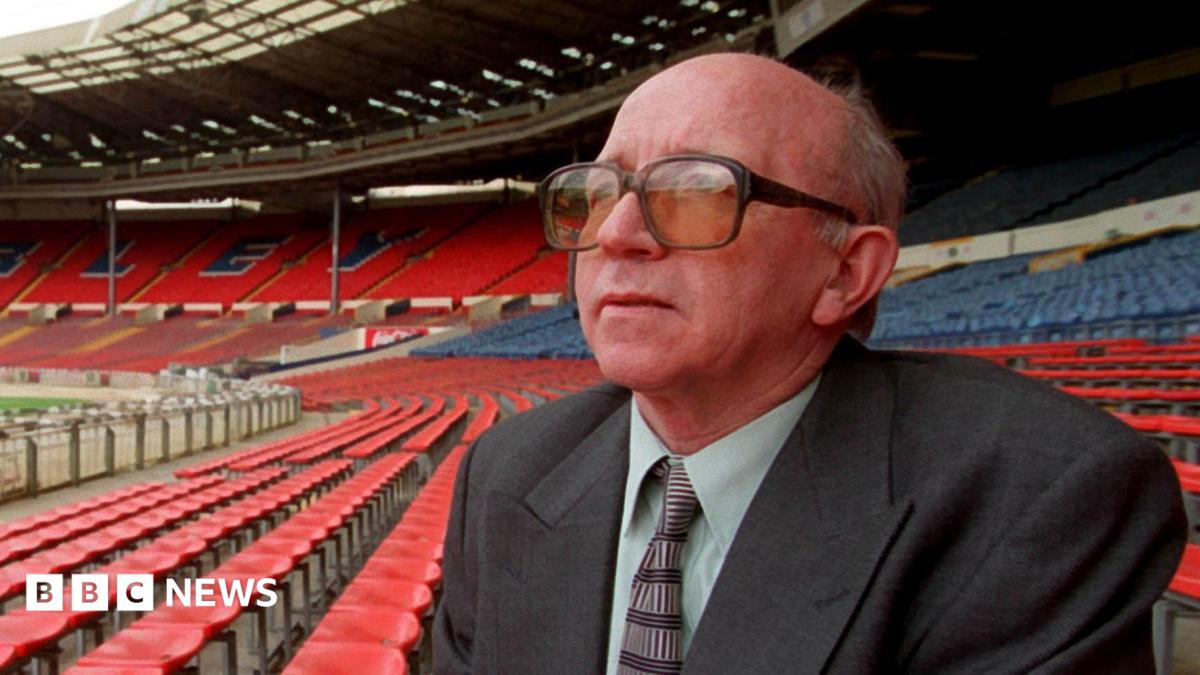
Stiles died in a care home on 30 October 2020, aged 78, after severe dementia had left him bed-bound. His death was not initially reported to the coroner's office, but his family continued pressing for an investigation into whether his football career had contributed to his illness.
In January 2024, the family raised the possibility that CTE had played a part. Neuropathology expert Dr Daniel Du Plessis later examined samples of Stiles's brain and concluded that repeated heading had caused the condition. Senior coroner Alison Mutch recorded Alzheimer's disease with high-stage CTE among the causes of death, alongside other contributing conditions.
The inquest heard that Stiles may have headed a ball about 40 times a day, five days a week, across a 17-year career. His son John described a conservative total of roughly 136,000 headers, while other evidence placed the figure near 140,000.
Stiles earned 28 England caps and made nearly 400 appearances for Manchester United. Yet the hearing focused less on medals and matches than on the physical cost that may have accumulated through years of training and competition.
Under the Surface
The case turns on the difference between ordinary ageing and brain damage associated with repeated head impacts. Analysis found that Stiles's dementia involved both Alzheimer's disease and CTE, a condition linked in the evidence to repeated trauma from heading.
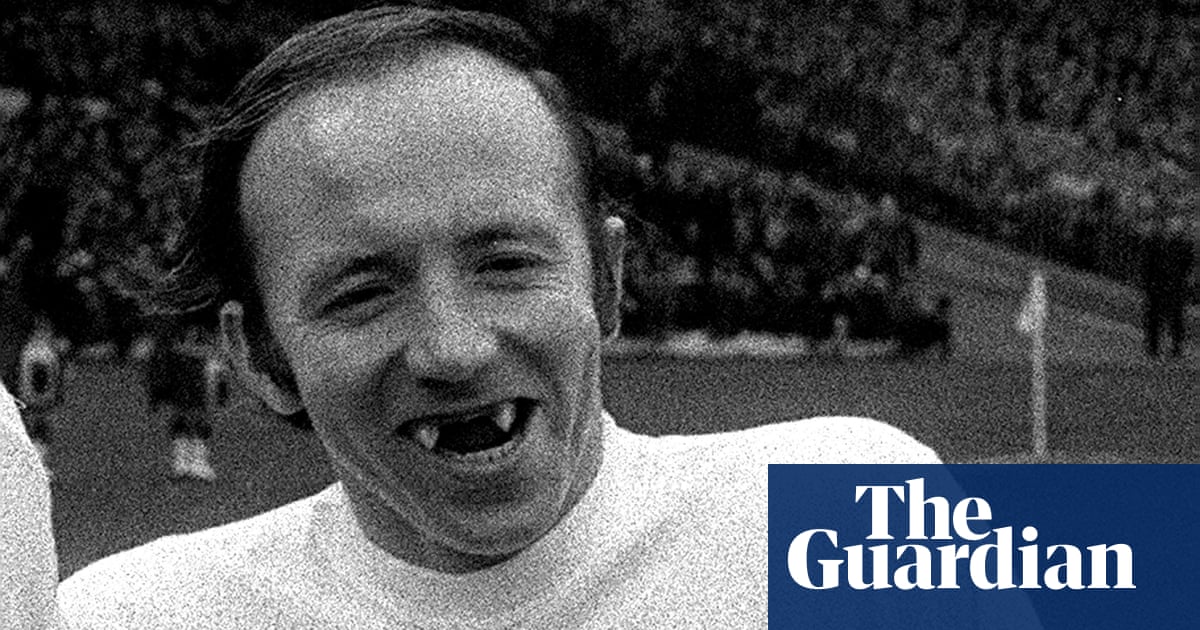
Football conditions during his playing years also formed part of the evidence. John Stiles said balls weighed about 16 ounces and became heavier when wet, increasing the force involved during frequent heading drills. The family's account suggests that exposure was not limited to match days; training produced thousands of additional impacts over many seasons.
- CTE
- Chronic traumatic encephalopathy, a degenerative brain condition associated with repeated head trauma.
- Neurodegenerative disease
- An illness in which cells in the brain or nervous system progressively lose function.
- Inquest
- A legal investigation led by a coroner to establish how a person died.
A 2019 study co-funded by the Football Association and the Professional Footballers' Association found that footballers were three-and-a-half times more likely to die from neurodegenerative disease than age-matched members of the general population. That statistic does not determine the cause of every individual case, but it gives the Stiles ruling broader significance.
Voices & Opinions
I'm quite convinced his heading the football that many times has caused his CTE.
John Stiles, who leads Football Families for Justice, said the ruling was no surprise and accused the football industry and government of failing vulnerable former players. His position carries personal and wider weight: he watched his father's health deteriorate and now represents families seeking greater support and accountability.
He was proud of it but we were always much more proud of the father he was than the footballer.
The Football Association has taken a different position in ongoing litigation. Its lawyers told the High Court in March that science had not established that heading or occasional concussion could cause permanent brain damage. The coroner's finding in Stiles's case is specific to his death, but it will add pressure to that wider dispute.
Putting It in Perspective
Stiles's family is among dozens of former players and relatives suing the Football Association, the Football Association of Wales and the English Football League. They allege negligence and breaches of duty of care, arguing that governing bodies knew, or should have known, about the danger of repeated heading.
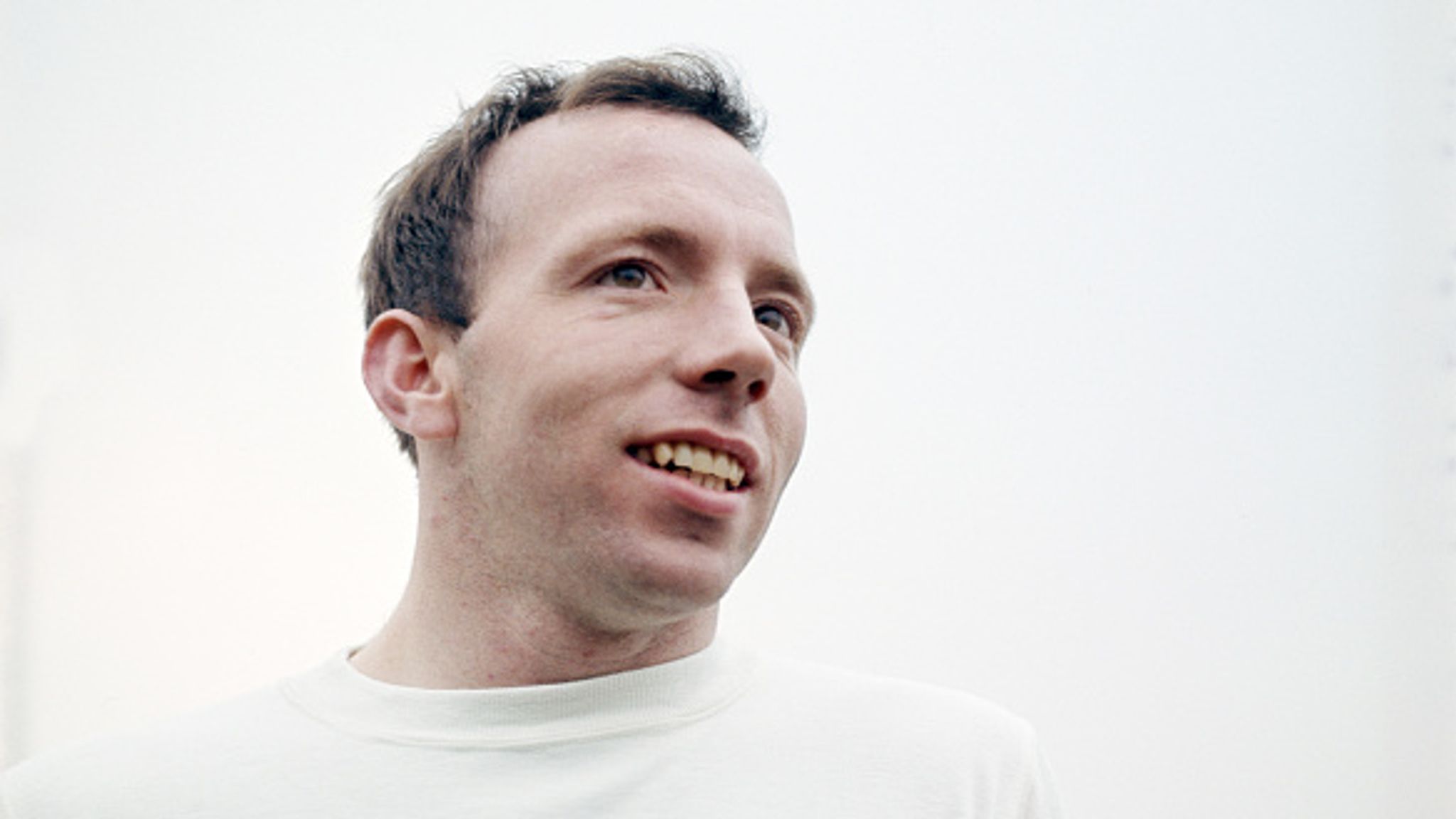
The ruling also follows an inquest into former Scotland, Manchester United and Leeds defender Gordon McQueen. That hearing found heading was likely to have contributed to a brain injury that factored in his death, and McQueen was also diagnosed with CTE.
For families across Britain, the practical issue is care. Stiles sold his World Cup winner's medals in 2010 to help fund support as his condition worsened. His experience strengthens calls for long-term financial, medical and welfare assistance for players whose symptoms emerge decades after retirement.
Looking Ahead
The FA is phasing out heading in youth football up to under-11 level by 2026. The PFA says it provides financial assistance through its Football Brain Health Fund and support through a dedicated brain health team.
Attention will now turn to the legal claims brought by former players and their families, as well as whether football authorities expand care for retired professionals. The Stiles inquest does not settle every scientific or legal argument about heading, but it establishes a direct conclusion in the death of one of England's most recognisable World Cup winners.
Frequently Asked Questions
What did the coroner rule about Nobby Stiles?
The coroner ruled that his death was contributed to by CTE caused by repeatedly heading footballs during his career.
How many times did Nobby Stiles head a football?
The inquest heard estimates ranging from about 136,000 to 140,000 headers over his career.
What is CTE?
CTE is a degenerative brain condition associated with repeated head trauma. It can only be definitively identified through examination of brain tissue.
When did Nobby Stiles die?
He died on 30 October 2020 at the age of 78 after living with severe dementia.
What has the FA changed about youth heading?
The FA is phasing out all heading in youth football up to under-11 level by 2026.
Are other football families taking legal action?
Yes. Dozens of former players and families are suing the FA, the Football Association of Wales and the English Football League over alleged negligence.