
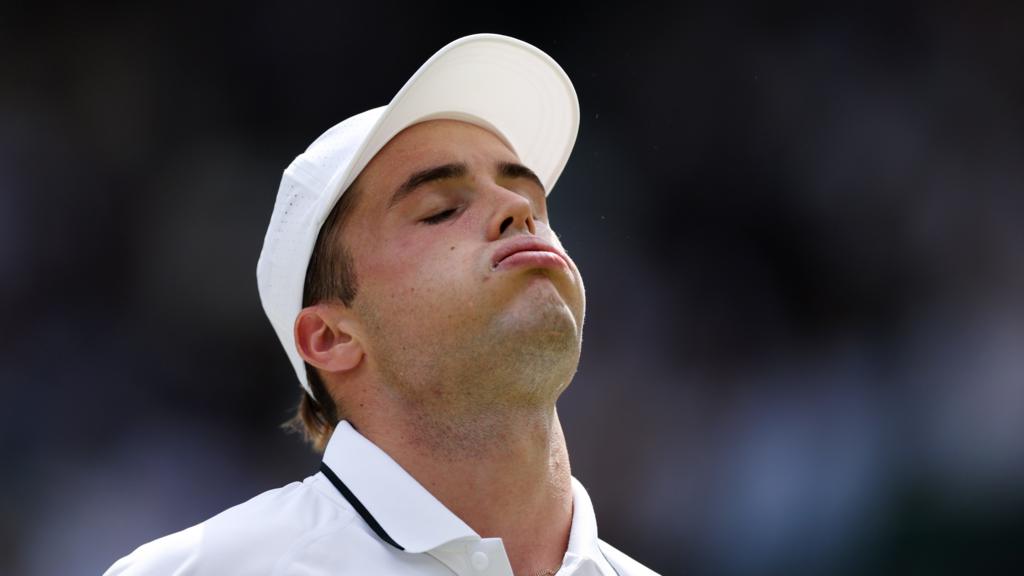
The hopes of British tennis fans rested squarely on the shoulders of wildcard sensation Arthur Fery as he stepped onto Centre Court for his maiden Wimbledon semi-final. However, the 23-year-old found himself locked in an uphill struggle against a clinical second seed, Alexander Zverev, who quickly asserted his dominance. For spectators across Great Britain, the match represented a historic moment, marking only the second time a wildcard has reached the penultimate stage in SW19 history.
Behind the Headlines
Fery entered the tournament ranked 114th in the world, making an unexpected breakthrough that firmly captured the nation's attention. He follows in the footsteps of the 2001 champion Goran Ivanisevic as the only wildcards to ever reach the Wimbledon semi-finals, and is just the fifth British man to do so in the open era. His path to the final four was a masterclass in resilience, having won his first four matches from behind in fifth-set deciders, including two match tiebreaks.
Meanwhile, Alexander Zverev arrived at SW19 riding a wave of newfound confidence after securing his first Grand Slam title at last month's French Open. Prior to this tournament, the German second seed had never progressed beyond the last 16 on the grass of the All England Club. His recent tactical evolution has seen him embrace a more proactive, aggressive style, moving away from his historical tendency to second-guess himself under intense pressure.
Here's What Happened
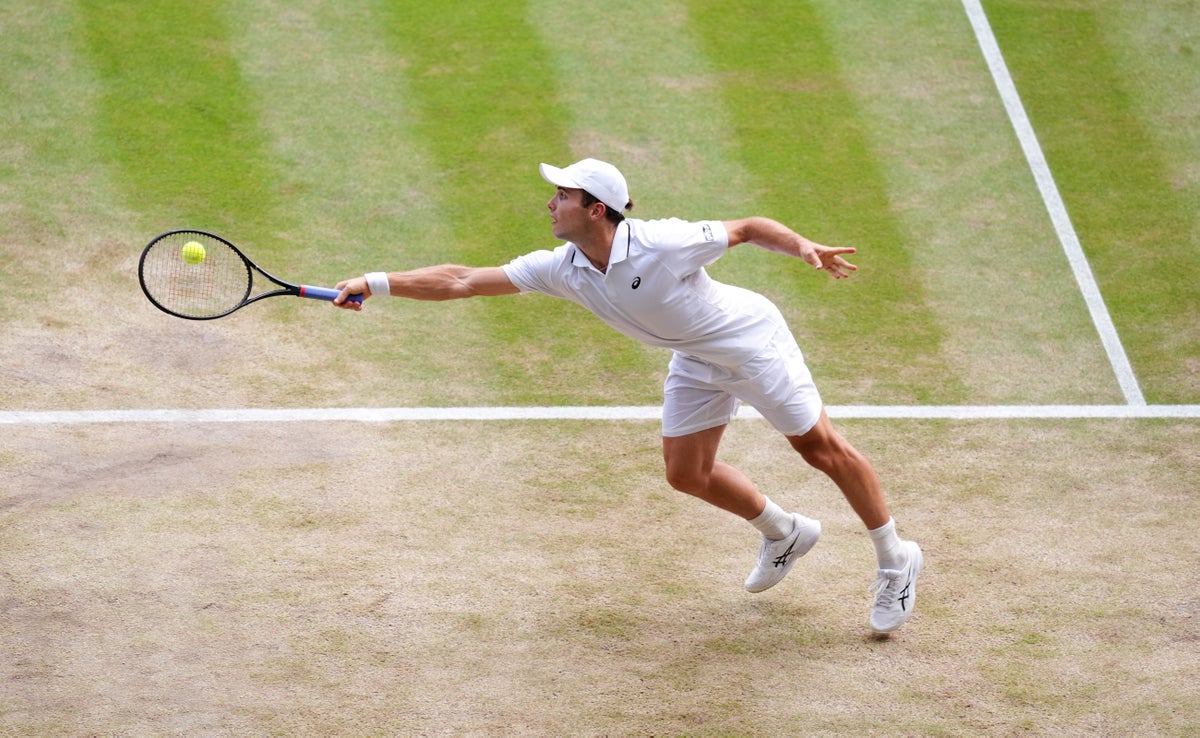
The opening set proved to be a highly competitive affair, with Fery demonstrating his exceptional hands and tactical imagination. The British wildcard managed to break back early, responding to Zverev's immense power by taking the ball early close to the baseline. Despite drawing enthusiastic cheers from a packed Henman Hill, Fery's momentum unraveled in an emphatic opening-set tiebreak, which Zverev claimed 7-6 (7-0) without dropping a single point.
The loss of the tiebreak appeared to knock the stuffing out of the Centre Court crowd, and Zverev immediately looked to capitalize in the second set. The German began bullying Fery from the back of the court, engineering a break to love in the third game after a compounding moment of misfortune for the Briton. At 0-30, a ball boy moved onto the court prematurely during a rally, forcing a let to be called; upon replaying the point, Zverev slapped a furious return winner past Fery to seal the advantage.

Frustrations mounted for Fery as the set progressed, with the young Briton repeatedly challenging chair umpire Marijana Veljovic regarding the electronic net-cord technology on Zverev's serves. Zverev quickly secured a double break for a 4-1 lead, showcasing relentless hitting and unleashing a flat forehand winner clocked at 103 mph. Fery managed a gritty hold from deuce to stop a five-game losing streak, but Zverev closed out the set 6-2 with a 134mph first serve, establishing a commanding two-set lead.
Voices & Opinions
The shifting dynamics of the match drew immediate analysis from former players and experts watching from the commentary boxes.
You get the feeling that Alexander Zverev is starting to bully Arthur Fery from the back of the court.
Analytical insights focused on how Zverev successfully neutralized Fery's usual tactical weapons, preventing the wildcard from employing his signature net-rushing style.
Arthur Fery has got to get back to the tennis he played to get here. He's got to take risks if he wants to get back in it.
The Bigger Picture
The stark difference in physical stature and raw power became the defining theme of the semi-final encounter. Zverev regularly generated cheap points through his massive serve, letting the ball bounce from an immense height that challenged Fery's standard baseline positioning. Furthermore, data insights revealed that Fery's forehand struggled to make an impact against the top spin of his opponent, executing well below its typical tournament standard.
For British tennis, Fery's remarkable breakthrough remains a significant milestone despite the unfolding Centre Court struggle. His deep run has re-energized domestic interest, bringing unprecedented crowds to the grounds of SW19. The tournament organizers even modified the semi-final schedule to guarantee the home crowd could watch the conclusion of this historic match without clashing with major international football broadcasts.
The Road Ahead
Fery opted for a brief bathroom break at the conclusion of the second set, attempting a mental reset before launching into the must-win third set. He opened his subsequent service game with a fighting hold to lead 1-0, signaling that he intends to fight until the final ball is struck. The winner of this semi-final will advance to face either defending champion Jannik Sinner or Novak Djokovic in Sunday's highly anticipated men's singles final.
### FAQ **Who is Arthur Fery playing in the Wimbledon semi-final?** Arthur Fery is playing the German second seed and reigning French Open champion, Alexander Zverev. **What was the score in the first two sets of Fery v Zverev?** Alexander Zverev won the first set 7-6 via a 7-0 tiebreak, and claimed the second set 6-2. **Why is Arthur Fery's Wimbledon run considered historic?** Fery is only the second wildcard in Wimbledon history to reach the men's singles semi-finals, following Goran Ivanisevic in 2001. **What was Arthur Fery's world ranking before Wimbledon 2026?** Arthur Fery started the 2026 Wimbledon tournament ranked 114th in the world. **Who will the winner of Fery vs Zverev play in the final?** The winner will face either world number one Jannik Sinner or Novak Djokovic in the men's final.