What’s behind Pogacar’s bold move at the Tour of Flanders?
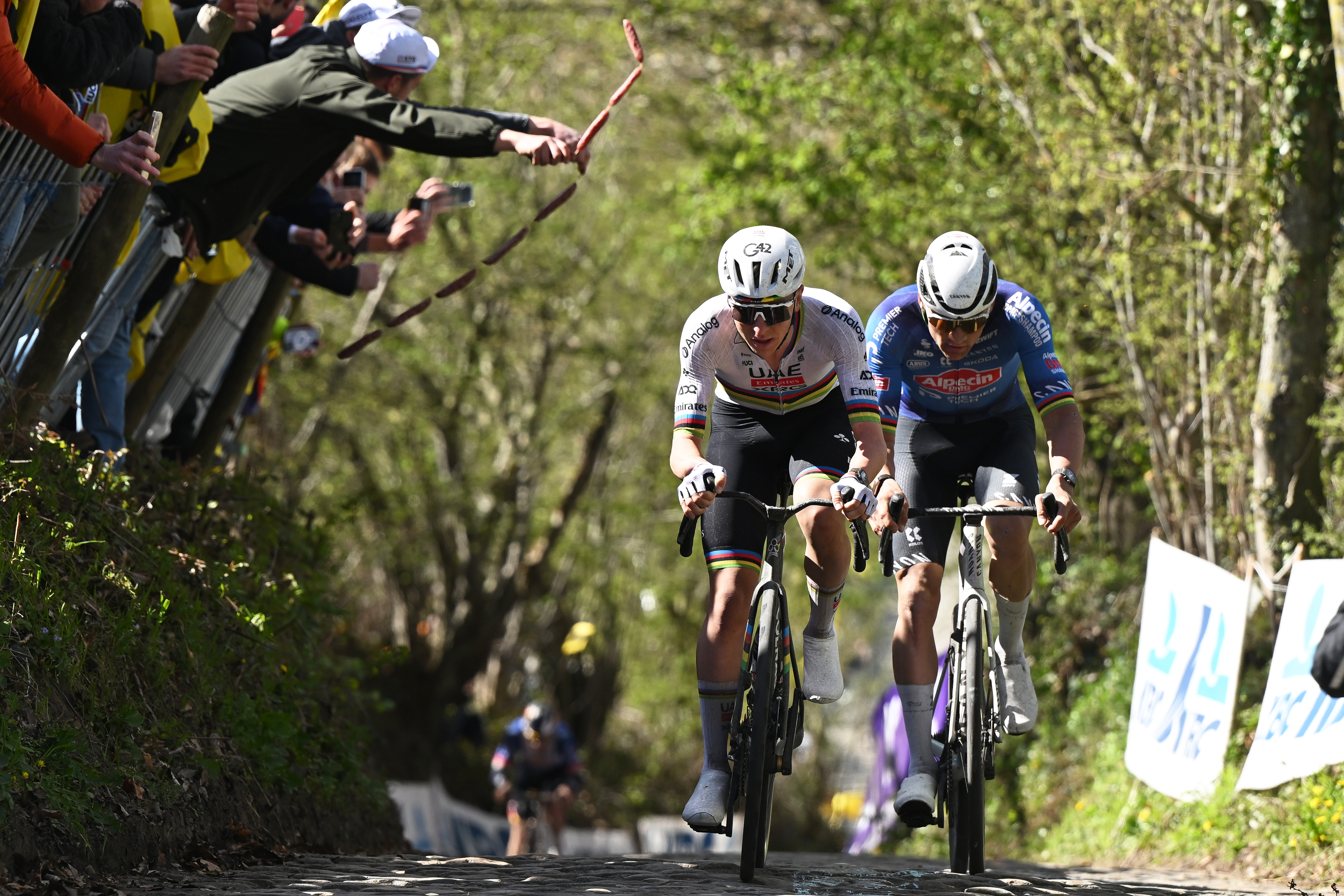
For cycling fans in the UK, the Tour of Flanders isn’t just another race — it’s one of those gritty, cobbled classics that sets the tone for the season. And this year, all eyes turned to Tadej Pogacar, who lit up the race with a decisive early attack. Within minutes, the dynamic shifted. Suddenly, the favourites weren’t just racing — they were reacting.
It’s the kind of moment that makes you sit up, tea in hand, and think: here we go again. Because when Pogacar moves, the race rarely stays the same.
Setting the Scene
The Tour of Flanders — or De Ronde — has long been one of cycling’s most punishing one-day races. Cobbled climbs, unpredictable weather, and relentless pacing make it a true test of endurance and nerve. It’s not just about strength; it’s about timing, positioning, and, frankly, guts.
This year’s edition arrived with a stacked field. Pogacar, already a Tour de France winner, faced fierce competition from Mathieu van der Poel and Wout van Aert — both specialists in these brutal classics. Add in rising stars like Remco Evenepoel, and you had a rare lineup where anything felt possible.
You might be wondering why this race matters so much. Simple: win here, and your name is etched into cycling folklore. Lose, and you’re left chasing shadows for the rest of the spring.
Here’s What Happened
From early on, the pace was relentless. Breakaways formed and dissolved as teams jostled for control. Then came the moment — Pogacar surged on one of the key climbs, forcing a split that only a handful of riders could respond to.
Van der Poel and Mads Pedersen were among the few able to stay in contention, while others scrambled behind. It wasn’t just a physical gap; it was psychological. Once Pogacar goes, the pressure multiplies.
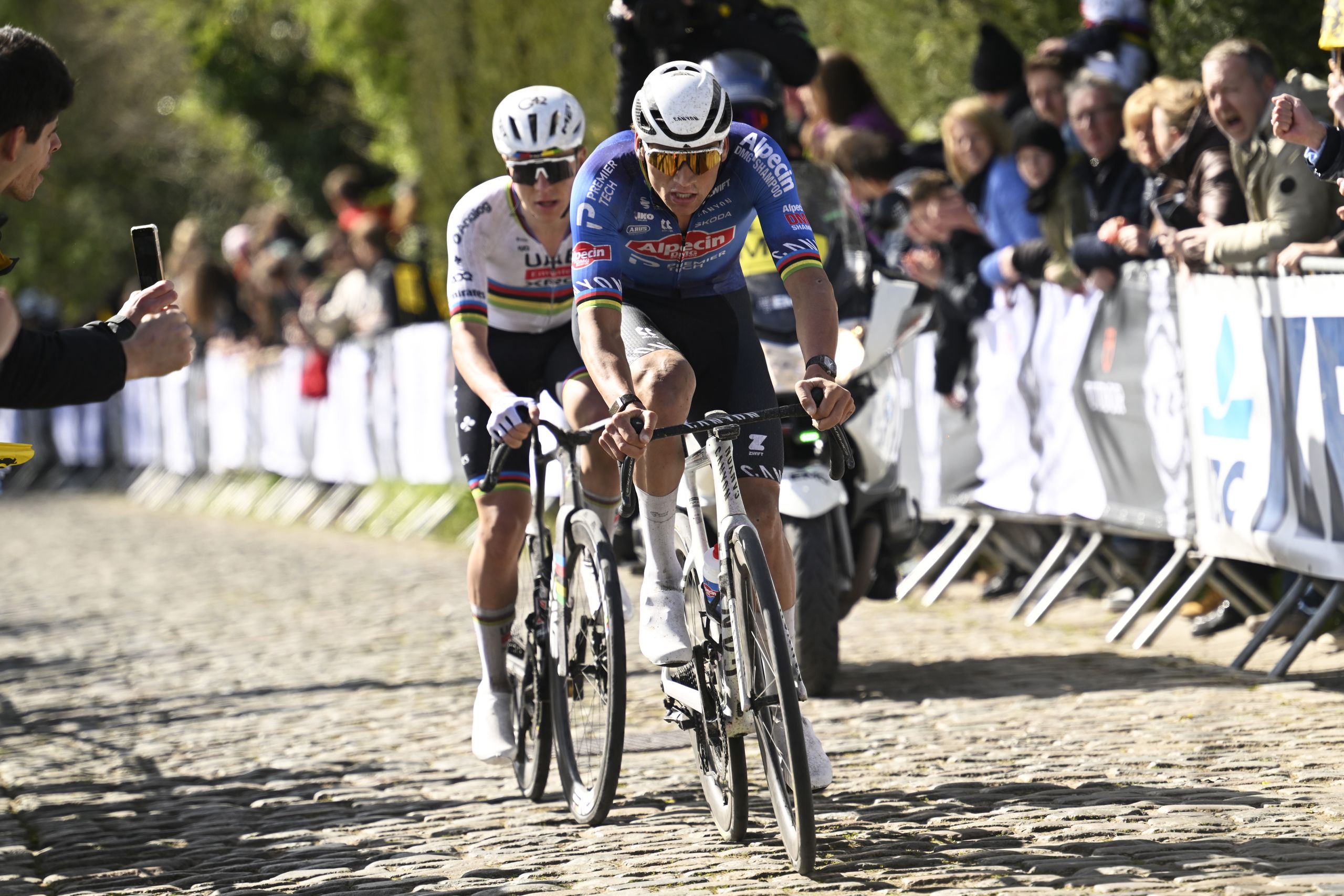
Meanwhile, teams that had hoped to control the race found themselves on the back foot. Tactics shifted quickly. Riders who had been conserving energy were suddenly forced to chase.
By the final stages, the race had narrowed into a battle of resilience. Every climb mattered. Every second counted. And as the finish approached, the question wasn’t just who was strongest — but who had anything left in the tank.
Reactions & Responses
Before the race, Pogacar himself admitted uncertainty. “You always have some doubts,” he said, acknowledging the unpredictable nature of the cobbled classics.
You always have some doubts.
Rivals, meanwhile, were cautious but confident. Van der Poel and Van Aert both recognised the Slovenian’s strength, yet believed their experience on these roads could tip the balance.
There’s a quiet respect among these riders. They know exactly what they’re up against — and that makes every move feel like a calculated gamble.
The Bigger Picture
For UK fans, this race is more than a spectacle. It’s a benchmark. The form shown here often carries into the rest of the classics season — and even hints at summer ambitions.
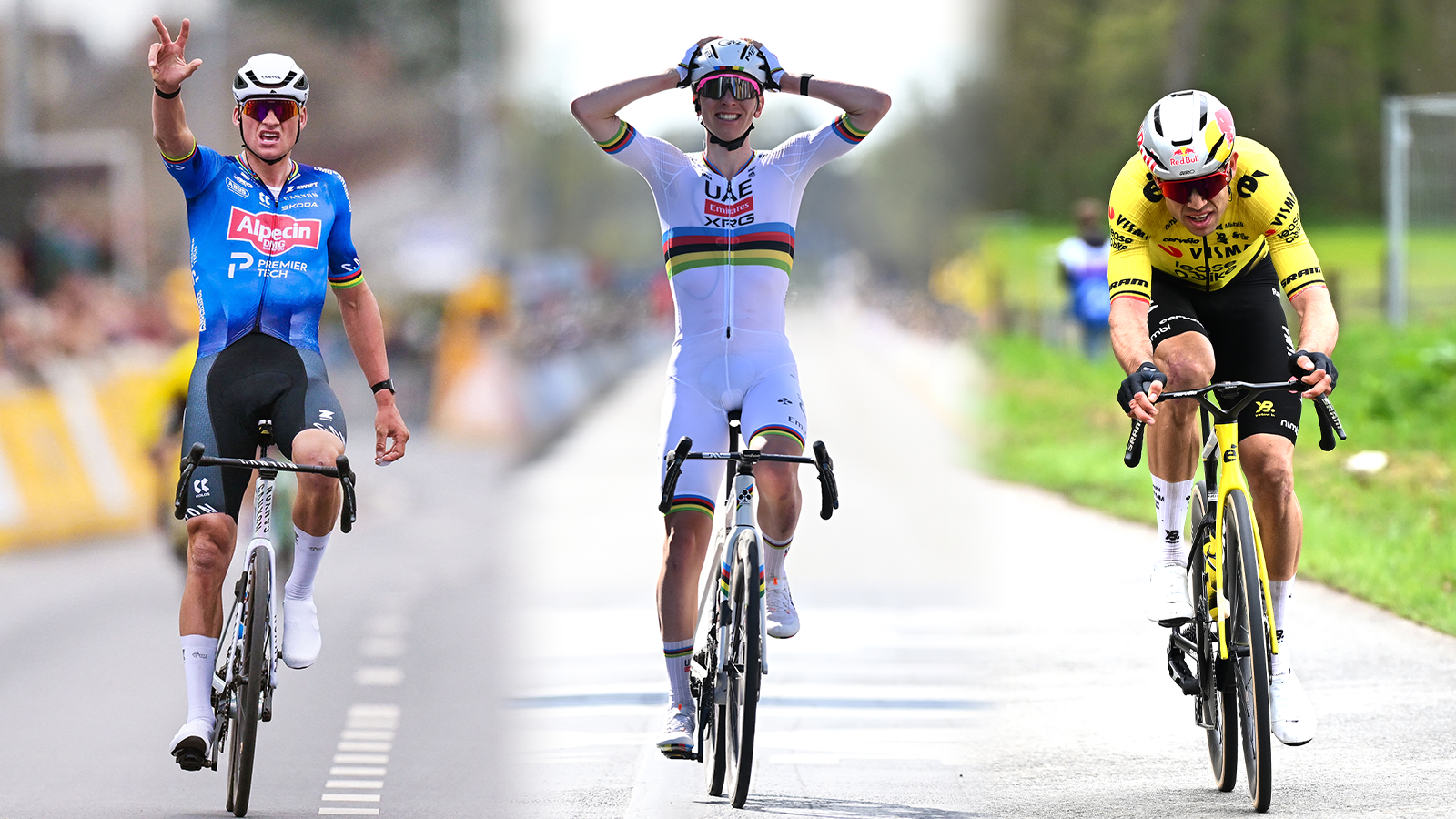
Pogacar’s aggressive approach signals a broader shift in modern cycling. Riders aren’t waiting for the final sprint anymore. They’re attacking earlier, taking risks, and forcing the race open.
And here’s the thing — it’s working. Fans get drama. Teams face chaos. The sport becomes far less predictable, and far more compelling.
In a way, it echoes previous editions where bold moves defined the outcome. Think of past surprise attacks that rewrote expectations. This year feels cut from the same cloth.
The Road Ahead
With the Tour of Flanders setting the stage, attention now turns to the remaining spring classics. Paris-Roubaix looms large — another brutal test where fortunes can flip in seconds.
If this race is anything to go by, expect more fireworks. Because once riders show their hand like this, there’s no going back.
FAQ
What is the Tour of Flanders?
It’s one of cycling’s five Monuments — a prestigious one-day race in Belgium known for its cobbled climbs.
Who were the main contenders in 2026?
Tadej Pogacar, Mathieu van der Poel, Wout van Aert, and Remco Evenepoel were among the favourites.
Why is Pogacar’s attack significant?
It forced a race split early, changing tactics and putting pressure on rivals to respond immediately.
When does the next major race take place?
Paris-Roubaix typically follows within a week, continuing the spring classics calendar.

Resources
Sources and references cited in this article.
![Apple Watch Series 11 [GPS 42mm] Smartwatch with Rose Gold Aluminum Case with Light Blush Sport Band - S/M. Sleep Score, Fitness Tracker, Health Monitoring, Always-On Display, Water Resistant](https://m.media-amazon.com/images/I/6110Jv9wqeL._AC_SL1500_.jpg)
