
Four UK number ones from the same song and the same artists: that is the remarkable chart record behind “Three Lions”. Thirty years after its 1996 release, England’s football soundtrack is again being carried through pubs, stadiums and streaming charts during the 2026 World Cup. Yet the bigger story is not one song’s longevity. It is how several tracks, from “World in Motion” to “Wonderwall”, have become a shared language for England supporters.

The Bottom Line
- “Three Lions” was first released on 20 May 1996 for Euro 96.
- The track has reached UK Number One on four separate occasions with the same artists.
- “World in Motion”, “Sweet Caroline”, “Hey Jude” and “Wonderwall” have each found a place in England’s football culture.
- A 30th anniversary edition of “Three Lions” was released on 12 June 2026.
- The appeal comes from simple choruses, shared memory and the tension between hope and disappointment.
Breaking It Down
The modern story begins with “World in Motion”, made for England’s 1990 World Cup campaign. New Order’s upbeat production and John Barnes’s rap gave it a distinctive place in the national football songbook. The Cornish Times argues that the track sounds more rooted in its era than “Three Lions”, but its cultural impact remains significant because it linked a major band, current players and supporters in one record.
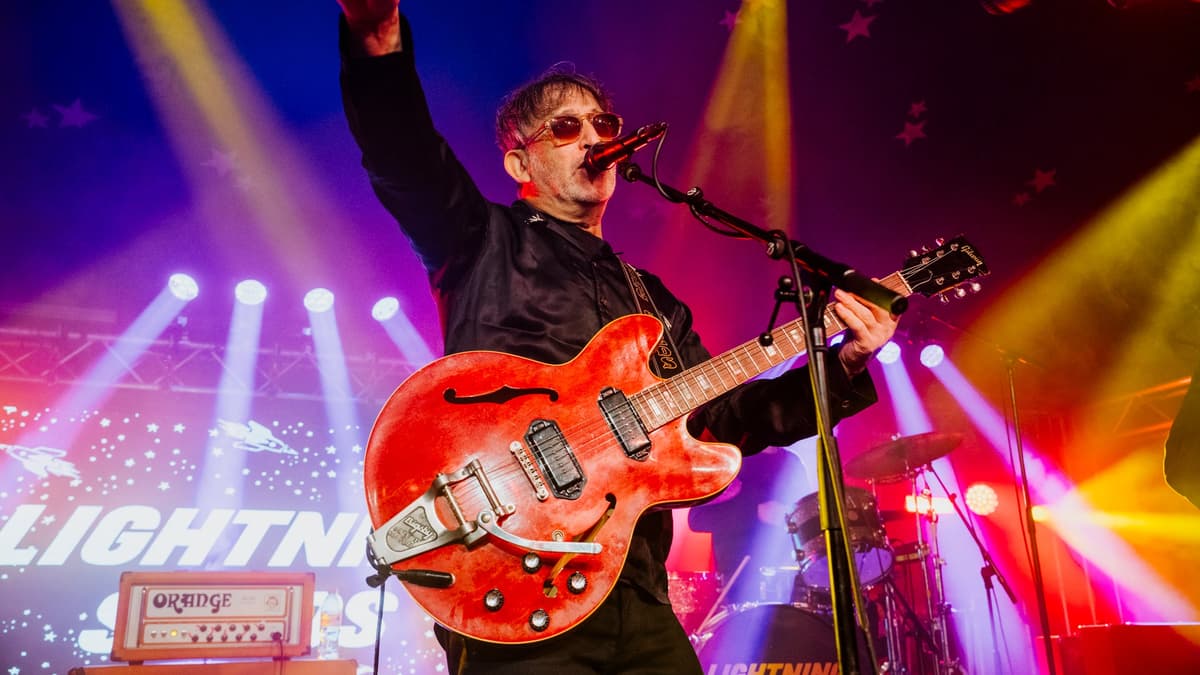
Then came “Three Lions”. Ian Broudie of the Lightning Seeds wrote the melody, while David Baddiel and Frank Skinner supplied lyrics shaped less by triumph than by the familiar experience of being an England supporter. Broudie described the idea as being about “being a football fan, which, for 90% of the time, is losing.” That emotional honesty explains why the chorus works after both victories and defeats.
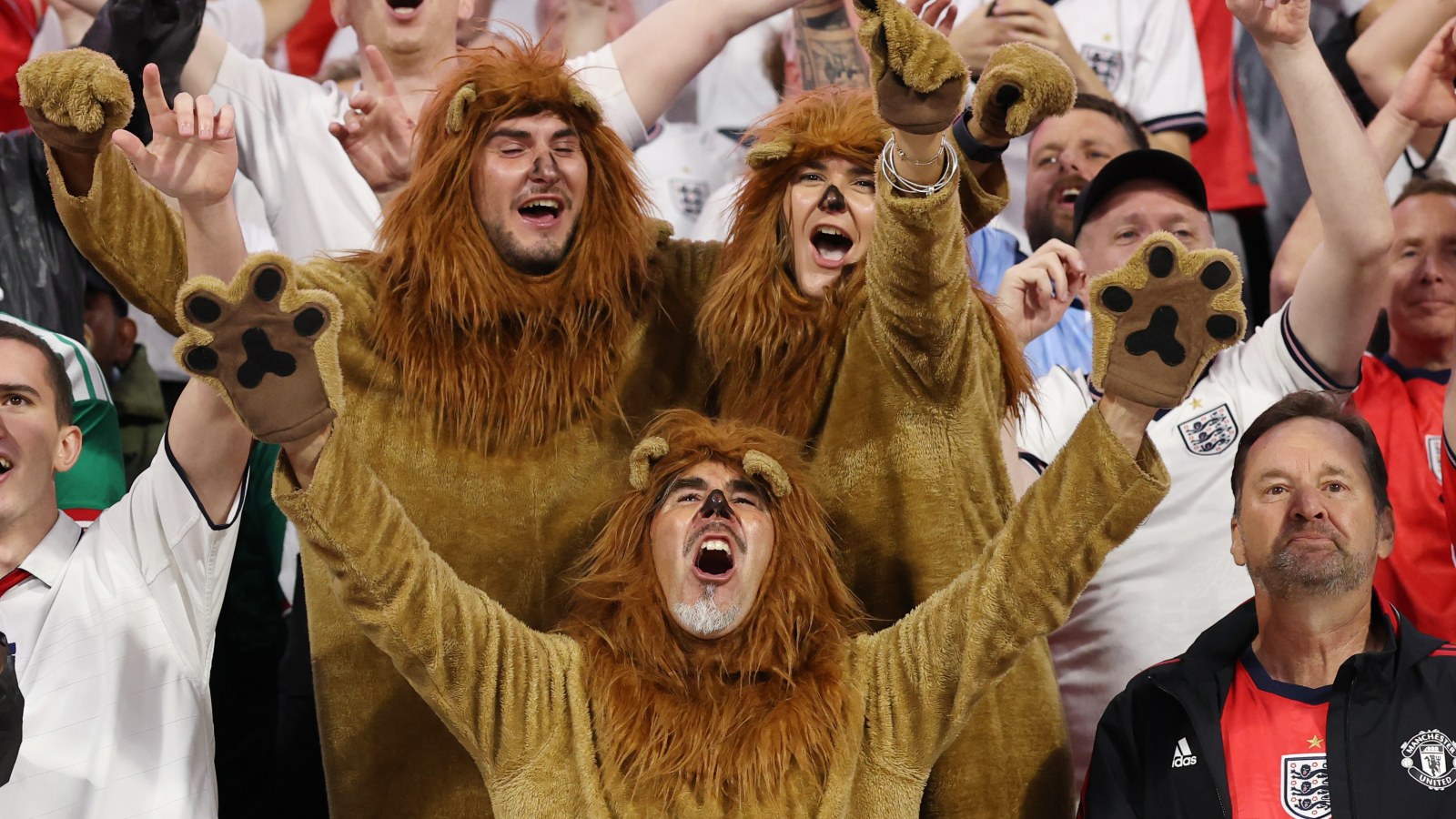
The numbers show how unusually durable it has been. The song reached Number One twice in 1996, again in 1998 and once more in 2018, when it climbed from Number 24 to the top in a single week. Music Times reports more than 61 million Spotify streams and 52 million YouTube views, with the 1996 remaster later passing 64.8 million Spotify plays by early July 2026.
Other songs have entered through different routes. “Sweet Caroline” grew from domestic-club celebrations into an unofficial England theme during the delayed Euro 2020 and was also adopted by the women’s team. “Hey Jude” became attached to Jude Bellingham after Borussia Dortmund supporters used it for him, followed by Real Madrid and England fans. “Wonderwall” is the newest major addition: after the Mexico match, England’s players joined supporters in singing it, and captain Harry Kane called the scene “That emotional connection with the fans. We know how much it means to them.”
Why This Matters
England songs endure because they are easy to join, but ease is only part of the appeal. “Football’s coming home”, the “dum, dum, dum” of “Sweet Caroline”, and the repeated “na na na” of “Hey Jude” give huge crowds a common part to sing without rehearsal. That turns a recording into an event shared by people in the ground, in pubs and at home.
For supporters in Britain, the songs also compress decades of memory into a few seconds. A 1990 rap, a Euro 96 chorus and a Beatles refrain adapted for Bellingham can all coexist because each belongs to a different generation while still working in the same crowd. The result is a living soundtrack rather than a fixed official playlist.
The strongest songs also avoid pretending that England always win. “Three Lions” survives because it carries disappointment inside its hope. That balance allows believers and sceptics to sing the same line, often with different meanings, while still taking part in the same moment.
What Comes Next
The 30th anniversary edition of “Three Lions”, released on 12 June 2026, gives the anthem another tournament cycle. As of early July, it stood at Number 35 on the UK Official Singles Chart, with match results, social clips and fan gatherings continuing to drive fresh attention.
Whether “Wonderwall” becomes a permanent England fixture will depend on what supporters do with it after this World Cup. The confirmed pattern is already clear: songs last when fans keep choosing them, not simply because they were commissioned for a tournament.
Frequently Asked Questions
Who wrote “Three Lions”?
Ian Broudie wrote the melody, while David Baddiel and Frank Skinner wrote the lyrics and performed it with the Lightning Seeds.
When was “Three Lions” first released?
It was released on 20 May 1996 for Euro 96, which was hosted in England.
How many times has “Three Lions” reached UK Number One?
Four times: twice in 1996, once in 1998 and again in 2018.
Why do England fans sing “Sweet Caroline”?
It became an unofficial England theme during the delayed Euro 2020 after already being used in celebrations by domestic clubs.
Why is “Hey Jude” sung for Jude Bellingham?
Supporters adapted the Beatles song around his first name after fans at Borussia Dortmund and Real Madrid used it to celebrate him.