Wimbledon Tennis Expansion High Court Victory: Trend Summary
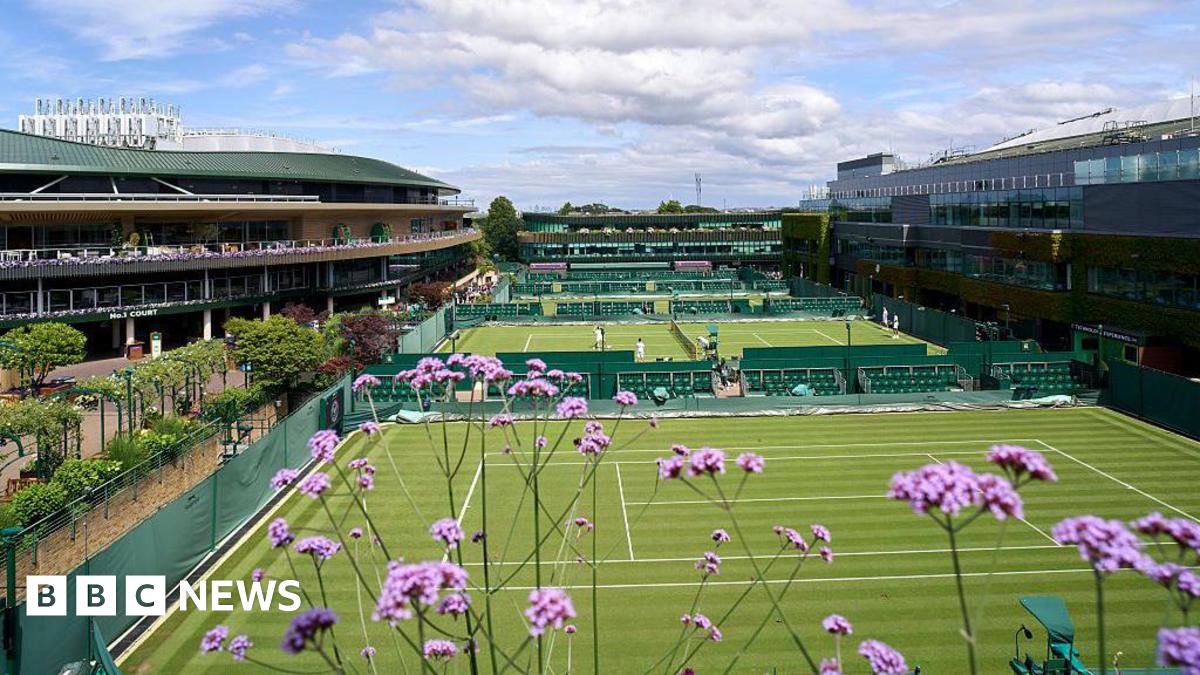
The High Court in London dismissed a legal challenge against the All England Lawn Tennis Club (AELTC) on March 19, 2026, clearing a major hurdle for the expansion of the Wimbledon championships. Mrs Justice Steyn ruled that the land intended for 39 new tennis courts is not subject to restrictive covenants that would have blocked the development. This decision marks a significant blow to local campaigners who argued the project would destroy historic parkland.
TL;DR
- The High Court dismissed a legal challenge by the 'Save Wimbledon Park' group.
- The ruling confirms that 1993 land agreements do not prevent the construction of new tennis facilities.
- Wimbledon can now proceed with plans for a 8,000-seat show court and 38 grass courts.
- The project aims to keep qualifying matches on-site rather than at Roehampton.
What Happened
In a landmark judgment delivered in London, the High Court rejected an application for judicial review brought by local residents under the group name Save Wimbledon Park Ltd. The core of the dispute centered on whether the land, formerly the Wimbledon Park Golf Club, was protected by a 1993 covenant meant to keep the space open and undeveloped. Mrs Justice Steyn concluded that the expansion plans did not violate these legal restrictions, effectively giving the All England Lawn Tennis Ground plc the green light to move forward.
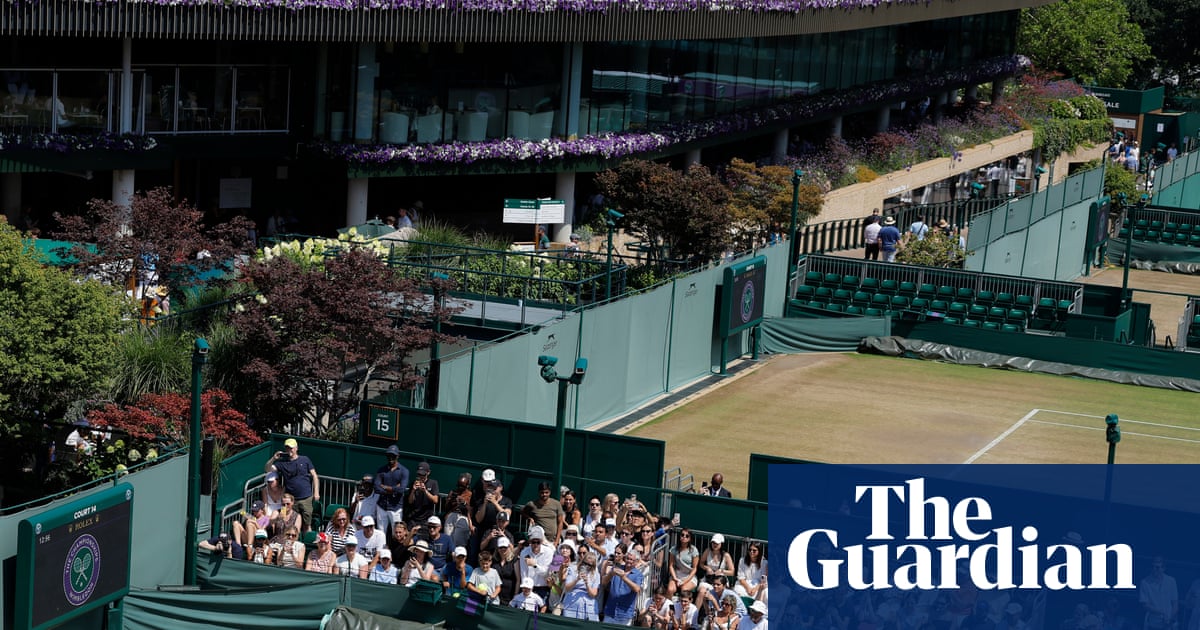
The legal battle saw campaigners argue that the AELTC had promised to keep the land as an "open space" when they purchased the freehold from Merton Council decades ago. However, the court found those historical agreements did not constitute a permanent bar on the proposed tennis infrastructure. A win is a win, and for the AELTC, this ruling removes the most significant legal threat to their multi-million pound investment.
Key Developments
The approved expansion includes the transformation of the 73-acre former golf course into a sprawling tennis complex. Key infrastructure upgrades include 39 new grass courts and a brand-new show court with a retractable roof. Beyond the sporting facilities, the AELTC has committed to creating a 23-acre public park on the site, which will be accessible to the community outside of the championship weeks. This concession was a vital part of the planning application aimed at mitigating the loss of the private golf club space.
The High Court's decision is a significant milestone for the future of the Championships and our local community.
Why This Matters
This ruling is critical for Wimbledon's status as a premier Grand Slam tournament. Currently, Wimbledon is the only major tennis championship where qualifying rounds are held off-site, specifically at Roehampton, roughly three miles away. By bringing these matches to the main grounds, the tournament can accommodate 10,000 extra spectators per day and provide a unified experience for players and fans. Economically, the expansion is expected to generate significant revenue and secure the tournament's competitive edge against the Australian, French, and US Opens.

What Happens Next
Following the High Court's dismissal, the Save Wimbledon Park group has the option to seek permission to appeal to the Court of Appeal. If no further legal challenges are successful, the AELTC will begin the construction phase, though the full project is not expected to be completed until 2030. The first qualifying matches are tentatively scheduled to take place on the new courts by 2029. Local residents can continue to monitor the progress and environmental impact through the official Wimbledon Park Project portal.
Key Terms & Concepts
- Restrictive Covenant
- A legal obligation written into a property's deeds that limits what the owner can do with the land, such as preventing building work.
- Judicial Review
- A type of court proceeding in which a judge reviews the lawfulness of a decision or action made by a public body.
- Freehold
- The permanent and absolute tenure of land or property with freedom to dispose of it at will.
Frequently Asked Questions
What did the High Court decide about the Wimbledon expansion?
The High Court dismissed a legal challenge on March 19, 2026, ruling that the expansion of the Wimbledon grounds does not violate restrictive covenants on the land.
Why does Wimbledon want to expand into the golf course?
The expansion will allow the tournament to host its qualifying matches on-site and build 39 new courts, including an 8,000-seat show court.
How many new tennis courts will be built?
The AELTC plans to build a total of 39 new grass tennis courts on the 73-acre site of the former Wimbledon Park Golf Club.
Will the public lose access to Wimbledon Park?
While the private golf course is being developed, the AELTC has pledged to create a new 23-acre public park that will be open to the community.
When will the new Wimbledon courts be ready for use?
Construction and grass maturation are expected to take several years, with the full site likely to be operational around 2029 or 2030.

Resources
Sources and references cited in this article.
![Apple Watch Series 11 [GPS 42mm] Smartwatch with Rose Gold Aluminum Case with Light Blush Sport Band - S/M. Sleep Score, Fitness Tracker, Health Monitoring, Always-On Display, Water Resistant](https://m.media-amazon.com/images/I/6110Jv9wqeL._AC_SL1500_.jpg)
