
Football fans across GB are glued to the latest tournament developments as the race for the World Cup trophy enters its final stages. With billions of pounds traded in global betting markets, the quarter-final matchups have triggered significant shifts in the ultimate winner odds. Punters and analysts alike are scrutinising team form, tactical shifts, and high-profile injuries that could redefine who lifts the trophy.
Behind the Headlines
The predictability of international tournaments often falls apart during the knockout stages, causing dramatic swings in the outright winner markets. Traditional heavyweights usually dominate the lower odds, but unexpected defeats for top-ranked nations create massive opportunities for dark horses. Analysts monitor squad depth, historical knockout performances, and individual player battles to find value in the shifting lines.
Data analytics and artificial intelligence models have become crucial tools for modern sports forecasting, frequently going head-to-head with experienced media pundits. This tournament has seen a direct statistical battle between human intuition and algorithmic data models, with the public predictor game currently outperforming both methods. The ongoing data shows that everyday fans have correctly predicted 71% of knockout outcomes, compared to 64% for both analysts and AI tools.
Here's What Happened
The quarter-final line-up has thrown up several tactical blockbusters that are reshaping the tournament landscape. France entered their clash against Morocco as firm favourites, backed heavily by analysts who have tipped them for the title from the opening whistle. Despite Morocco showing flashes of extreme power and skill during their run, their campaign suffered a major blow with a critical injury to forward Ismael Saibari, severely limiting their attacking threat against the disciplined French side.
Meanwhile, Spain's defensive solidity remains their primary weapon as they progressed without conceding a single goal. Their quarter-final opponents Belgium faced a major setback of their own, with midfielder Amadou Onana sidelined by injury ahead of the match. Observers noted that Spain's ability to dominate possession would force Belgium into a counter-attacking system, heavily influencing the live betting markets.
The most anticipated match for home fans involved Thomas Tuchel's England taking on a dangerous Norway side led by Erling Haaland. England's dramatic 3-2 victory over Mexico showcased immense defensive resilience under pressure, with John Stones and Dan Burn executing crucial clearances while playing with 10 men. However, Norway's clinical edge and Haaland's exceptional movement inside the penalty box presented an entirely different defensive challenge for the Three Lions.
Voices & Opinions
Expert analysis highlighted the fine margins that separate teams at this elite level of international football.
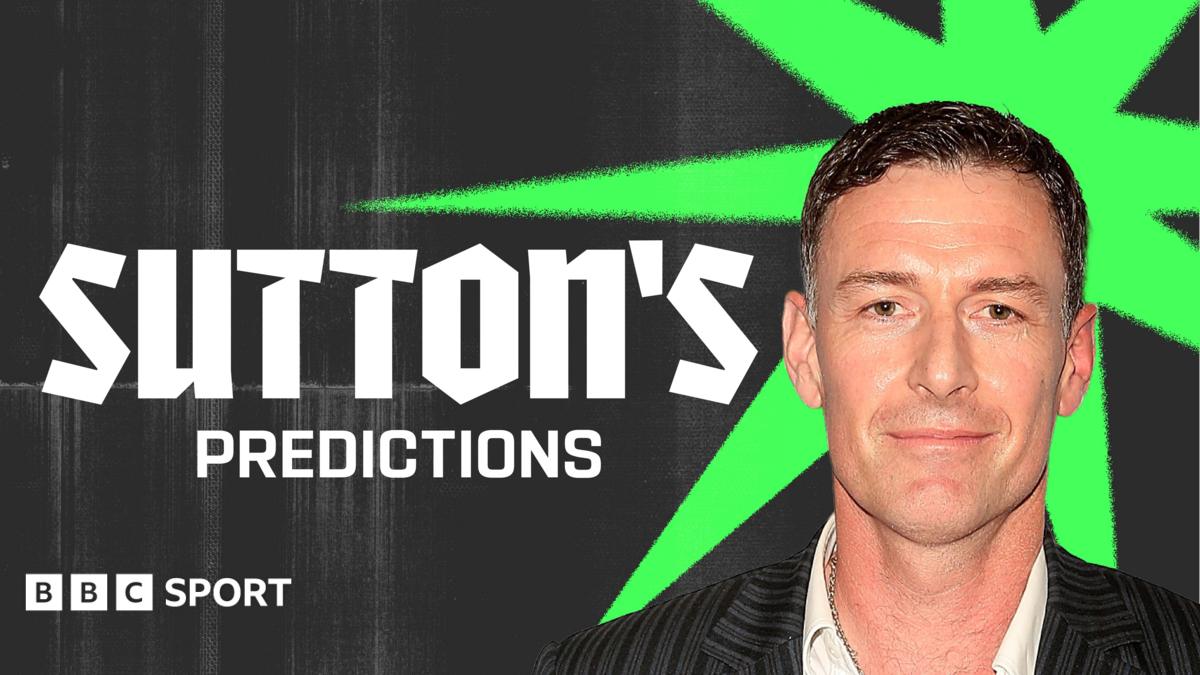
I have backed France to win this World Cup from the start, and I am not going to change my mind now.
The debate between human intuition and algorithmic modelling also provided an entertaining sideshow to the on-pitch action. When challenged about relying too heavily on obvious scorelines rather than tactical nuances, the digital forecasting model offered a direct justification of its data-driven methodology.
The aim isn't to be surprising, Chris. The aim is to be right.
The Bigger Picture
These quarter-final outcomes carry massive implications for the financial and sporting landscape of football in GB. A deep tournament run for the national team traditionally sparks a major boost in retail spending, hospitality revenue, and public morale across the country. Conversely, a sudden exit heavily impacts broadcasting figures and immediately alters the job security of the management staff.
The tournament data also confirms a growing shift in how modern football fans consume sports data. The high accuracy of the public predictor game demonstrates that collective fan intelligence, combining localized knowledge and emotional context, can regularly outperform rigid algorithmic calculations during unpredictable knockout tournaments.
The Road Ahead
The surviving four teams will immediately advance to the semi-final fixtures to determine who competes in the ultimate showpiece final. Squad depth will be tested to its absolute limit as managers manage player fatigue, yellow card suspensions, and ongoing injury recoveries ahead of the final week of tournament football.
Frequently Asked Questions
What are the current favourites for the World Cup?
France and Spain remain the absolute frontrunners according to major sportsbooks and data models due to their squad depth and strong defensive records.
How has AI performed in predicting World Cup results?
The AI forecasting models have achieved a 64% accuracy rate during the knockout rounds, matching experienced pundits but trailing the public predictor game.
Which key players missed the quarter-finals through injury?
Morocco forward Ismael Saibari and Belgium midfielder Amadou Onana were both ruled out of their respective quarter-final ties due to injuries.
How did England qualify for the quarter-finals?
England secured their place by defeating Mexico 3-2 in a dramatic match where they successfully defended their lead with 10 men.
Who is the top goalscorer threat left in the tournament?
Norway forward Erling Haaland remains the most clinical attacking threat left in the competition, known for his exceptional movement and aerial ability.