
Following a summer-long critique of Christopher Nolan's cinematic epic, Elon Musk has released a seven-minute artificial intelligence-generated adaptation of Homer's ancient Greek poem via his Grok Imagine platform on X. The initial release, developed in partnership with London-based startup Wonder Studios and director Dev Walker, follows Musk's public vows to create a version true to the original text after taking issue with Nolan's casting choices earlier this year.
What Happened
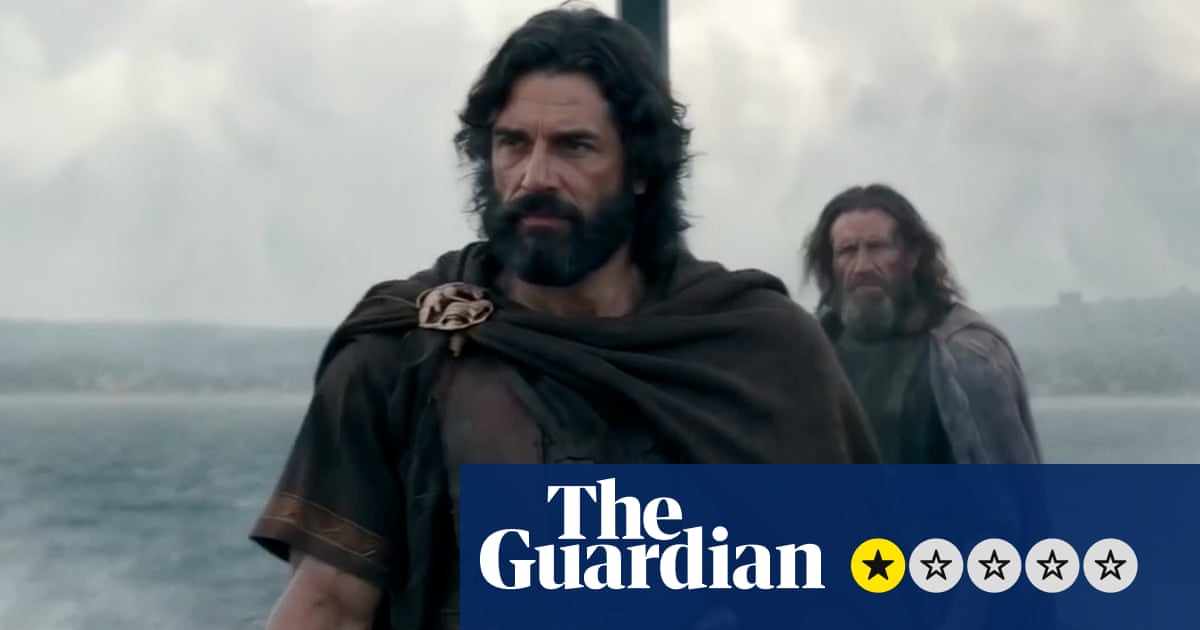
The project was first announced in July when Musk criticized Nolan's feature film, which has since grossed nearly $1.8 billion globally. Musk pledged that Grok Imagine would produce a full-length movie before the end of the year that was historically accurate and faithful to Homer's epic. Instead of a feature film, the platform shared a seven-minute opening episode over the weekend, depicting Odysseus preparing to leave Ithaca and the subsequent Greek campaign at Troy.
Xavier Collins, co-founder of Wonder Studios, noted that the first episode was produced in less than two weeks with a small creative team of three. While Nolan's traditional production involved a $250 million budget, a vast crew, and a 91-day shoot across six countries, the AI short cost tens of thousands of dollars.
Who Is Affected
The release has sparked widespread industry debate regarding the capabilities and limitations of generative artificial intelligence in creative media. Traditional filmmakers, visual artists, and digital production studios find themselves at the center of discussions about job displacement and the artistic value of automated content generation. While tech advocates point to the rapid iteration speed of generative tools, creative professionals argue that the resulting footage lacks genuine narrative depth.
What Data Was Exposed
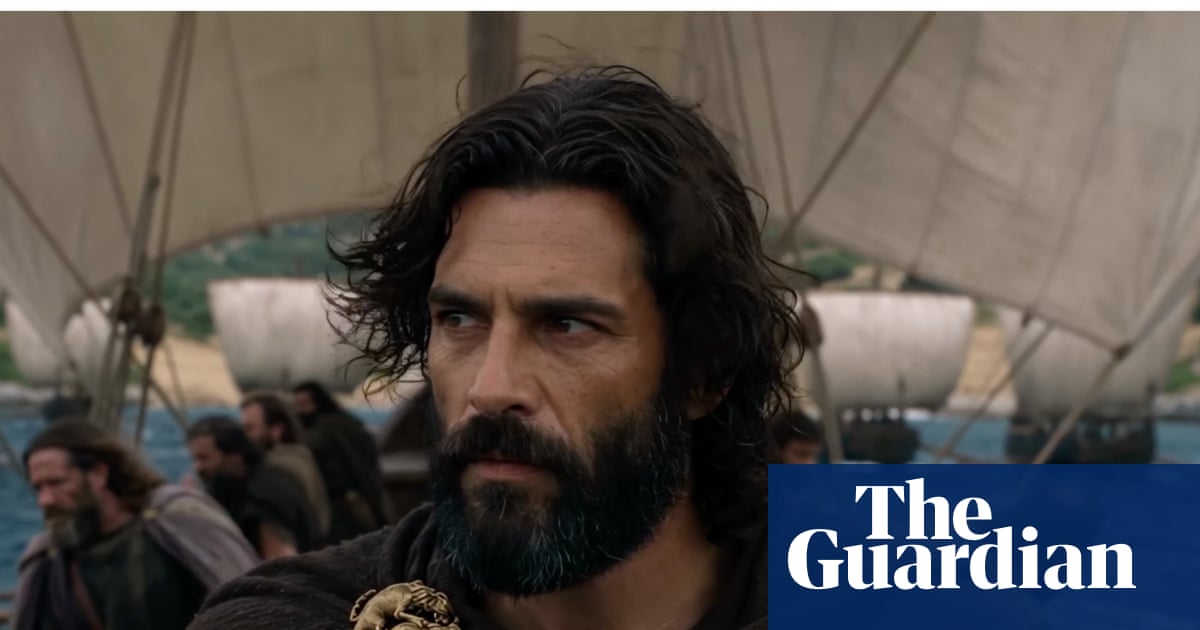
Technical details regarding the production reveal that the video was generated using xAI's image and video models, relying on prompt-based generation rather than traditional asset creation or physical principal photography. The resulting footage exhibits typical generative artifacts, including shifting facial features across cuts, stilted speech delivery, and modern cinematic tropes that contrast with authentic historical and linguistic reconstructions.
What People Should Do
For viewers and digital creators following the development of generative tools, industry analysts recommend critically evaluating the output of automated media platforms rather than accepting generated material as a viable replacement for human-driven craftsmanship. Viewers encountering such content on social media channels can use platform feedback mechanisms to categorize automated material and support independent verification of production methods.
Response and Investigation
Critical reception to the release has been overwhelmingly negative, with reviewers describing the visual output as airless and mechanical. When queried about historical accuracy, the Grok model itself acknowledged that the production is an adaptation rather than an authentic historical reconstruction, noting that characters speak modern English rather than Homeric Greek and incorporate anachronistic visual elements.
We were not given any direction to make it anti-woke or anything like that. We were given the opportunity by one of the world’s best frontier labs to work on one of the best stories ever told.
The production team at Wonder Studios has stated that they intend to review public feedback and implement improvements in subsequent episodes to address pacing and historical details.
Frequently Asked Questions
What is the Grok AI Odyssey project?
It is an artificial intelligence-generated video series created using xAI's Grok Imagine platform in collaboration with Wonder Studios, designed as a seven-minute adaptation of Homer's epic poem.
How does this compare to Christopher Nolan's film?
Nolan's theatrical release was a traditional, large-scale production with a $250 million budget that grossed nearly $1.8 billion worldwide, whereas the Grok version was produced rapidly using generative video prompts at a fraction of the cost.
What feedback has the AI adaptation received?
Viewers and professional critics have largely panned the release, citing stilted dialogue, unnatural motion, and a lack of emotional resonance or artistic depth.
Will more episodes be released?
The creators have indicated that they plan to produce subsequent episodes, utilizing viewer feedback to refine the pacing and visual execution.