
For readers across Britain, this matters because the systems that power daily life — from public services to critical infrastructure — increasingly depend on digital networks. GCHQ's latest warnings suggest those networks are facing more pressure from hostile states than at any point in recent years. Senior intelligence officials say Russia and China are intensifying cyber activity while advances in artificial intelligence are changing the security landscape at remarkable speed.
The message from Britain's intelligence community is clear: the challenge is no longer theoretical. Officials argue that cyber threats are becoming more sophisticated, more frequent and potentially more disruptive.

Setting the Scene
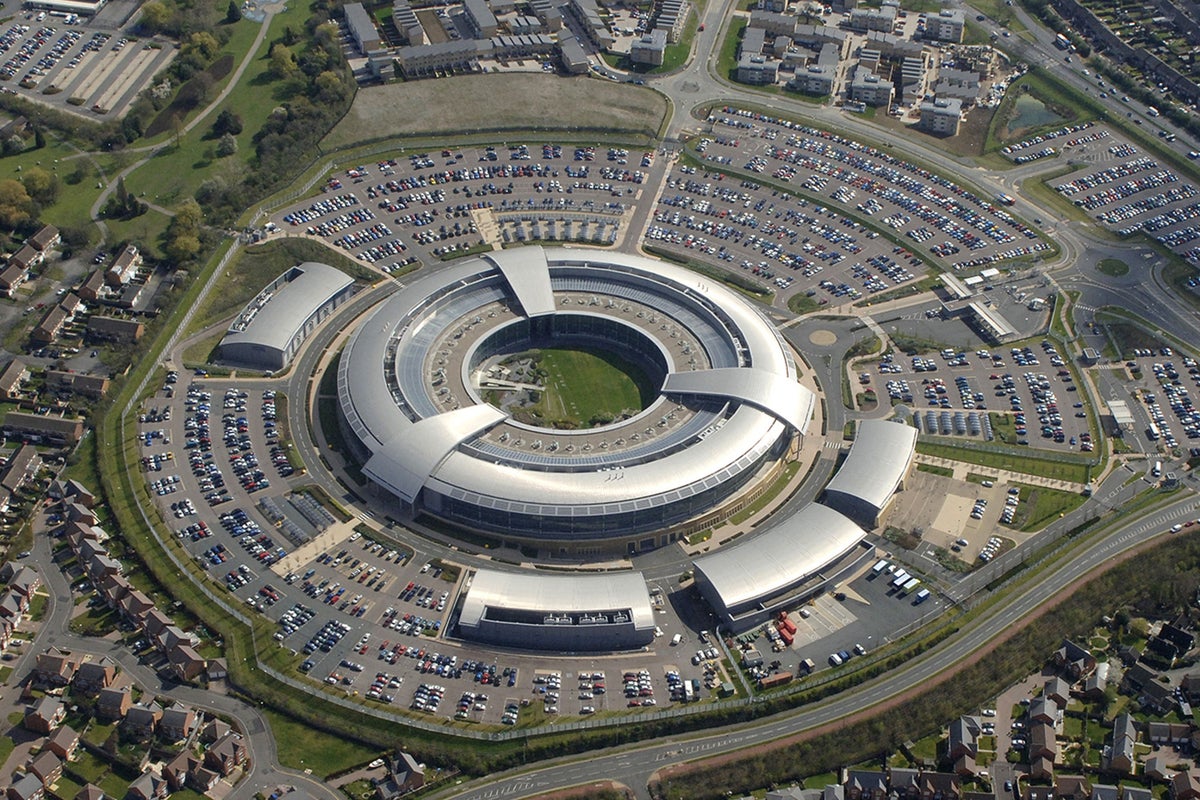
At the centre of the discussion is GCHQ, the UK's intelligence and cyber security agency. During the organisation's annual lecture, Director Anne Keast-Butler described a period of significant change driven by geopolitical tensions and rapid technological development.
Officials argue that artificial intelligence is becoming a double-edged sword. It offers new defensive capabilities but also creates opportunities for adversaries to automate attacks, spread disinformation and identify vulnerabilities at scale.
If you're following developments in national security, you might be wondering why the warnings appear stronger than before. The answer lies in a combination of factors: ongoing tensions with Russia, increasing competition with China and growing concern that cyber operations are becoming a standard tool of statecraft rather than an exceptional measure.
- Hybrid attacks
- Actions that combine cyber operations, influence campaigns and other non-military tactics.
- Critical infrastructure
- Essential services such as energy, communications, transport and public utilities.
- Artificial Intelligence
- Technology capable of performing tasks that traditionally require human decision-making.
Here's What Happened
In a series of public remarks, senior British security officials warned that Russia continues to target Western nations through cyber operations and other forms of pressure. Intelligence leaders described a security environment that sits somewhere between traditional peace and open conflict.
At the same time, GCHQ revealed work on advanced AI-powered defensive systems designed to identify and counter cyber threats more quickly. The goal is to improve detection capabilities as attackers increasingly adopt automation and machine learning techniques.
Defence Secretary John Healey also told MPs that the threat posed by Russia is both real and increasing. Those comments echoed concerns raised by intelligence leaders who argue that infrastructure, democratic institutions and digital services remain attractive targets for hostile actors.
Meanwhile, officials highlighted China as another strategic challenge. Security experts say the West's technological advantage cannot be taken for granted, particularly as rival nations invest heavily in cyber capabilities and advanced computing.
Reactions & Responses
Political and security leaders have largely presented a united message: cyber security should be treated as a core national priority rather than a niche technical issue.
The UK faces a moment of consequence because of the combined impact of AI and cyber threats.
Industry experts have broadly welcomed investment in AI-based defence systems, though many stress that technology alone will not solve the problem. Human expertise, international cooperation and stronger cyber resilience remain essential.
The Russian threat to the United Kingdom is real and rising.
What's interesting is that the debate is no longer focused solely on government networks. Businesses, universities, healthcare providers and local authorities are increasingly part of the conversation.
The Bigger Picture
For Britain, the implications extend beyond national security. Cyber incidents can disrupt services, damage economic confidence and expose sensitive information. A successful attack on critical infrastructure could affect millions of people, even if they never directly interact with government systems.
The growing emphasis on AI also reflects a broader race between attackers and defenders. As one side develops more sophisticated tools, the other responds in kind. The clock is ticking, according to officials who believe the next few years could shape the balance of cyber power for a generation.

There is also a public awareness element. Strong passwords, multi-factor authentication and better digital habits may sound mundane, but security professionals often describe them as the first line of defence.
The Road Ahead
GCHQ and government departments are expected to continue expanding cyber defence programmes and partnerships with industry. Further announcements on AI-enabled security initiatives are likely in the months ahead.
For now, the message from British officials is straightforward: cyber security is no longer a specialist concern. It is becoming a national resilience issue that touches every corner of modern life.
FAQ
What is GCHQ?
GCHQ is the UK's intelligence and cyber security agency responsible for signals intelligence and protecting national digital infrastructure.
Why is Russia mentioned in the warnings?
British officials say Russia continues to conduct cyber and hybrid activities that target Western interests and infrastructure.
How is AI involved in cyber security?
AI can help detect threats faster, but it can also be used by attackers to automate and improve cyber operations.
What does this mean for UK businesses?
Companies may face increased pressure to strengthen cyber defences as state-backed and criminal cyber threats evolve.
When were these warnings delivered?
The latest warnings were made during public speeches and security briefings in late May 2026.