
Last updated: 22 April 2026
Departure boards flicker. A handful of flights quietly switch from “boarding” to “cancelled”, and the mood shifts in seconds. If you’re standing in Birmingham Airport this week, you can feel it — that uneasy pause before travellers reach for their phones.
Behind the scenes, the disruption isn’t random. A sweeping reduction of thousands of flights across Europe, driven by rising fuel costs and operational pressure, is now filtering down to regional airports like Birmingham.
How Events Unfolded
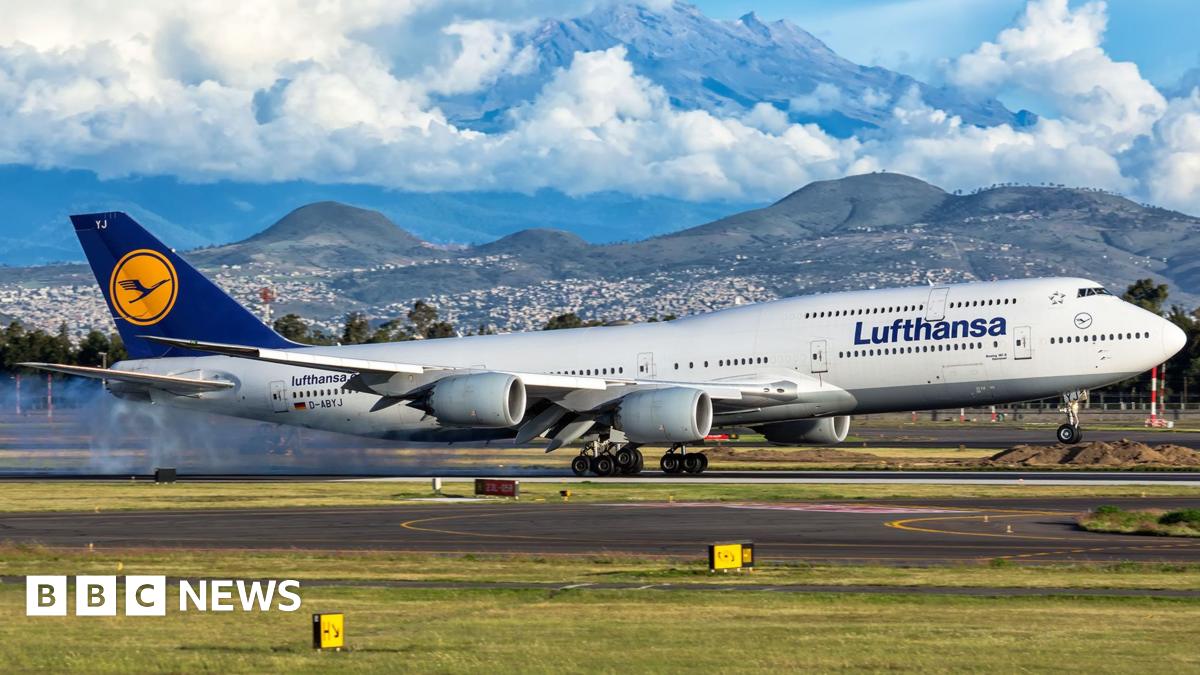
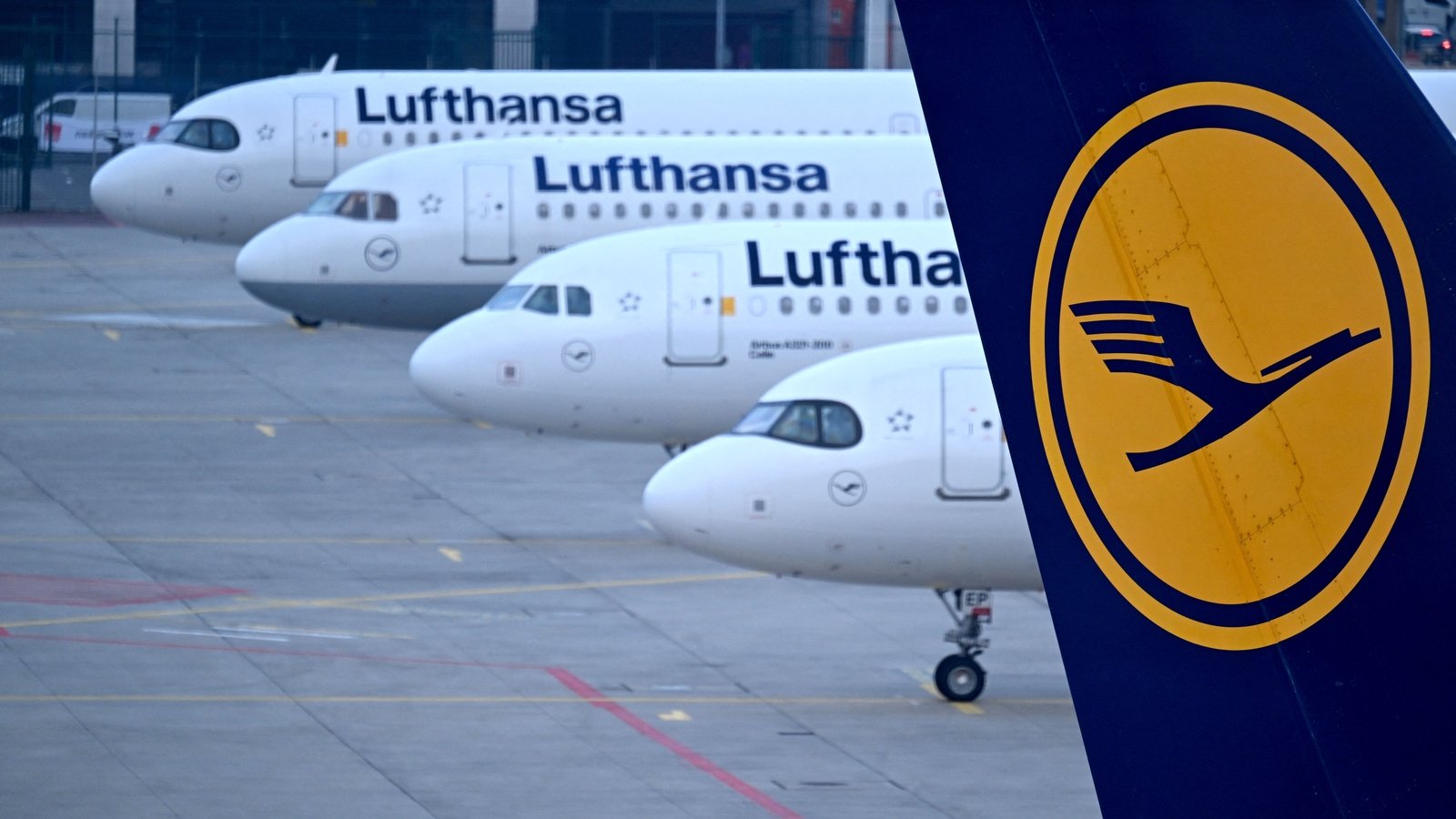
It started with a blunt decision: one of Europe’s largest airline groups slashed roughly 20,000 flights from its summer schedule. Not overnight, not all at once — but enough to send shockwaves through connected routes.
Here’s the thing. Airlines don’t operate in isolation. A cut in one hub quickly ripples outwards. Routes feeding into major European hubs get trimmed, timings shift, and suddenly regional airports — Birmingham included — feel the squeeze.
Passengers first noticed it in small ways. A rescheduled departure here. A missing connection there. Then came the outright cancellations, particularly on routes linking the UK to major European cities.
Meanwhile, airline groups have been quietly reshaping their networks. Some routes are being consolidated, others dropped entirely. The aim? Keep planes fuller, flights fewer, and costs under tighter control.
The Fine Print
At the heart of this sits one stubborn issue: fuel. Jet fuel prices have surged sharply, and airlines are now paying significantly more to keep planes in the air. For context, fuel can account for up to 30% of an airline’s operating costs — so even a modest rise hits hard.
But it’s not just fuel. Labour disputes and operational pressures are stacking up. Strikes across parts of Europe, combined with staffing challenges, have made running a full summer schedule risky.
There’s also a strategic shift underway. Airlines are focusing on profitability over volume — fewer flights, but more reliable ones. That means trimming less profitable regional connections.
- Hub-and-spoke model
- A system where flights connect through major central airports rather than direct routes.
- Load factor
- The percentage of seats filled on a flight — a key measure of profitability.
The Response
Airline executives have been frank. The goal is stability, not expansion. One senior industry voice described the cuts as a way to “optimise the network” — in plain English, that means fewer empty seats and fewer last-minute disruptions.
We are adjusting capacity to ensure reliability across our network.
From a passenger perspective, the reaction has been mixed. Some welcome fewer delays. Others — especially those relying on regional routes — feel squeezed out.
Travel experts are urging passengers to double-check bookings and allow extra time. As one UK-based aviation analyst put it, this summer could be “predictable, but tighter” — fewer surprises, but also fewer options.
Putting It in Perspective
If you’re flying from Birmingham, this matters more than you might think. The airport relies heavily on European connections, many of which feed into larger networks.

Less capacity means higher demand for remaining seats. Translation? Prices could creep up, especially during peak travel periods. And if you’re booking late, options may be limited.
It’s not the first time we’ve seen this. Similar patterns emerged post-pandemic, when airlines cut schedules to stabilise operations. The difference now is the cause — not health restrictions, but economic pressure.
It’s a bit of a catch-22. Airlines need to cut flights to stay profitable, but fewer flights can frustrate passengers and push costs higher.
Looking Ahead
For now, expect more tweaks rather than a sudden stop. Airlines are likely to keep adjusting schedules throughout the summer, responding to demand and cost pressures.
If you’re travelling soon, the advice is simple: book early, monitor your flight, and have a backup plan. Not exactly what holidaymakers want to hear — but for this summer, it’s the reality.
And if you’re wondering whether things will settle? They probably will. Just not overnight.
FAQ
Why are flights being cancelled at Birmingham Airport?
Many cancellations are linked to wider airline schedule cuts across Europe, driven by rising fuel costs and operational challenges. Regional routes are often the first affected.
Are more cancellations expected this summer?
Yes, but they are likely to come in small adjustments rather than mass cancellations. Airlines are continuously reviewing schedules based on demand and costs.
Will flight prices increase from Birmingham?
With fewer available seats and steady demand, prices may rise, especially during peak holiday periods. Booking early can help secure better fares.
Which routes are most affected?
Short-haul European routes feeding into major hubs are most at risk. These connections are often trimmed when airlines reduce overall capacity.
What should passengers do if their flight is cancelled?
Check with your airline immediately for rebooking or refunds. Travel insurance and flexible booking options can provide additional protection.