
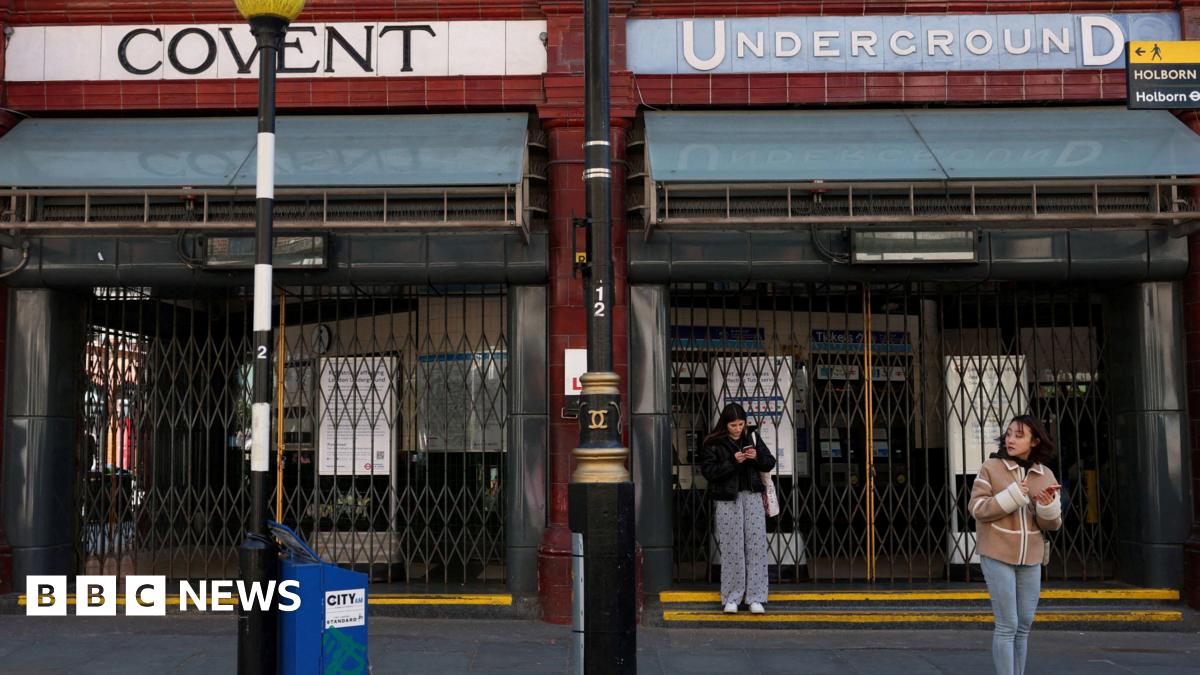
Millions of Londoners are bracing for a week of severe travel misery as crucial network-wide walkouts are officially set to go ahead. Despite desperate, last-minute crunch talks mediated by the conciliation service Acas to find an eleventh-hour breakthrough, the RMT union has confirmed its members will press ahead with two 24-hour strikes. Commuters are being warned to expect near-total gridlock across the capital's transport network as drivers and station staff walk out over ongoing disputes regarding working conditions, rosters, and job safety.
The Bottom Line
- Two 24-hour strikes will completely disrupt the London Underground network on Tuesday, 2nd June and Thursday, 4th June 2026.
- Disruption will ripple across the entire city, with lines like the Jubilee line heavily affected and expected to be completely suspended or running exceptionally limited services.
- Last-minute peace talks held via the conciliation service Acas have failed to yield a compromise between Transport for London (TfL) and union bosses.
- Services on Wednesday and Friday morning will also experience severe knock-on delays as trains are left out of position overnight.
- Transport officials are strongly advising passengers to work from home if possible or seek alternative arrangements via local buses, the Elizabeth line, or London Overground.
Breaking It Down
The industrial action marks a major escalation in an ongoing dispute that has simmered between transport staff and employers for months. On Friday afternoon, RMT general secretary Mick Lynch confirmed that the planned walkouts remained firmly 'on' after negotiations with TfL management hit a brick wall. The union argues that recent roster modifications and cost-cutting initiatives directly threaten both the work-life balance and operational safety of tube drivers.
Here's the thing: while the strike action formally hits on Tuesday and Thursday, the operational reality means the chaos spreads much wider. Stations will begin shutting down on Monday evening as staff prepare for the picket lines, and standard service won't fully recover until late Friday morning. Key arterial routes, specifically the Jubilee line, are expected to bear the brunt of the shutdown, leaving vast swathes of commuter corridors completely stranded.
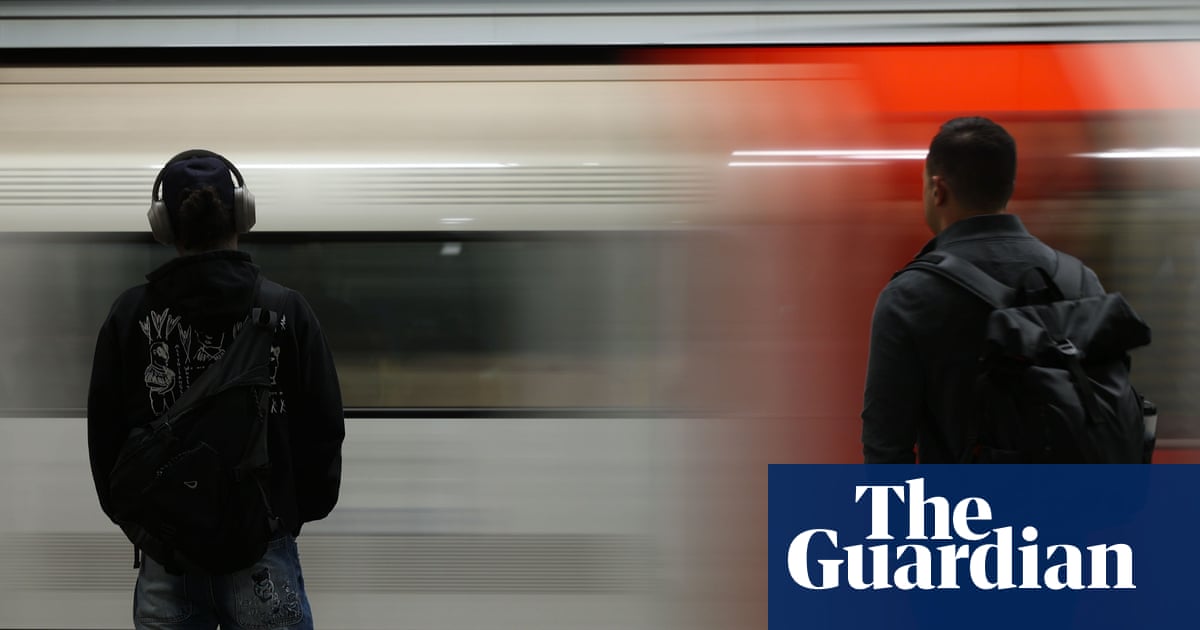
TfL management had hoped that bringing in independent arbiters would cool tensions, but union reps claim the offered terms did not go far enough to protect pensions and guarantee that automated system shifts wouldn't compromise driver safety. As a result, drivers have been explicitly instructed by union leadership not to book on for their scheduled shifts starting from Tuesday morning.
We have negotiated in good faith, but TfL's current proposals fail to protect our members' fundamental agreements on working rosters and safety standards. We have been left with no choice but to take this action.
Why This Matters
If you're trying to move around the capital next week, you are going to feel this directly. A full-scale Tube strike forces millions of commuters onto alternative transit modes simultaneously. This means London's iconic red buses, local cycling routes, and pavements will see unprecedented volumes of traffic. Getting from A to B will easily take double or triple the usual time, effectively turning a standard morning commute into a test of patience.
Moreover, the timing couldn't be worse for local businesses. Central London's hospitality and retail sectors rely heavily on the weekday footfall brought in by the underground network. Industry bodies estimate that a double-day strike action can strip millions from the local economy, as workers opt to stay at home rather than brave the travel lottery. It is a classic case of adding insult to injury for city centre venues trying to maintain steady summer trading.
What Comes Next
Unless a surprise compromise is reached over the weekend, the strikes are locked in. Commuters can access live travel advisories and check status updates directly on the BBC News tracking page or consult transport timetables through the Guardian's interactive transit map to find alternative rail options. TfL is expected to deploy extra staff at major interchanges to assist passengers trying to navigate the altered overland links.
Frequently Asked Questions
Which London Underground lines are affected by the strikes?
The industrial action affects the entire London Underground network. While lines like the Jubilee line are heavily singled out due to specific union driver majorities, you should assume all Tube lines will experience near-total closures or severe delays on Tuesday and Thursday.
Will the Elizabeth line and London Overground still run?
Yes, the Elizabeth line, London Overground, and the DLR are not part of this specific RMT dispute and will operate. However, they are expected to be incredibly crowded as passengers look for alternative ways to travel across the city.
When exactly do the Tube strikes start and end?
The strikes officially run for 24 hours on Tuesday, 2nd June, and Thursday, 4th June 2026. However, disruptions will start from late Monday evening and will spill over into early Wednesday and Friday mornings as services slowly return to normal rotation.
Can I get a refund on my TfL ticket or travelcard?
If you have a prepaid ticket or a travelcard and your journey is delayed or cancelled due to strike action, you may be eligible for a refund depending on the duration of your delay. You can find detailed claim guidelines via the London Evening Standard travel help desk.