North Korea Fires Ballistic Missiles Into Sea During Major Military Exercises: A Trend Summary
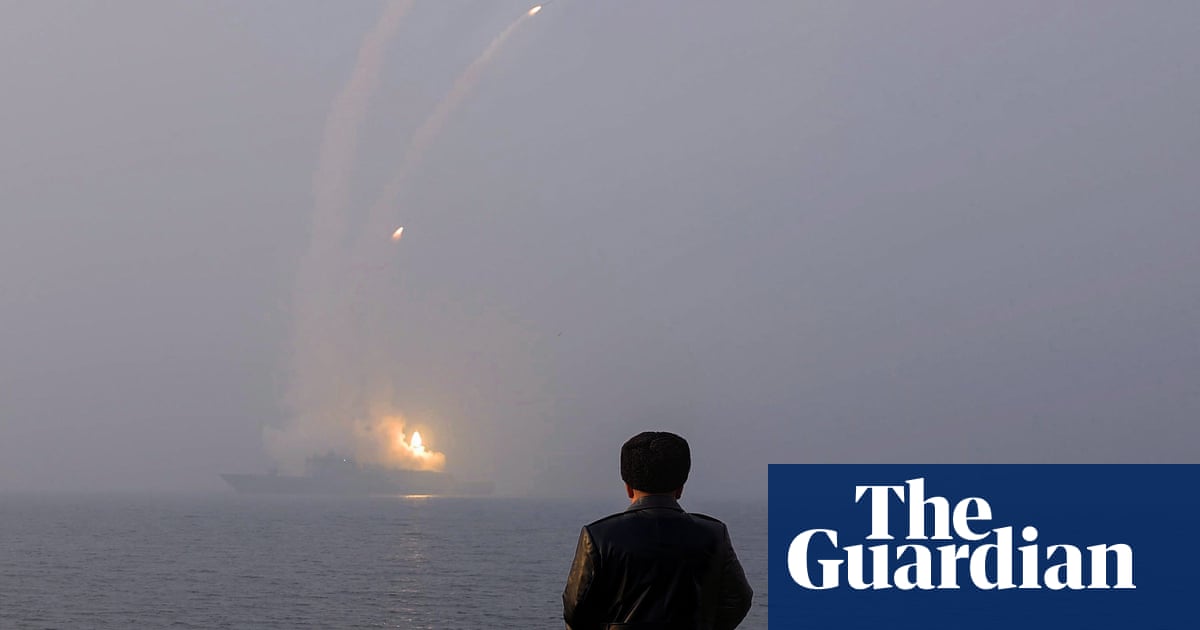
North Korea launched multiple unidentified projectiles toward its eastern waters on Saturday, March 14, 2026. The firing occurred as the United States and South Korea conducted their annual large-scale joint military exercises in the region. This development marks a significant escalation in regional tensions following recent North Korean military inspections.
TL;DR
- North Korea launched several ballistic missiles toward the East Sea on March 14, 2026.
- The South Korean Joint Chiefs of Staff and Japanese Coast Guard confirmed the projectiles were fired during US-South Korean drills.
- The launch follows Kim Jong Un’s recent inspection of a new warship intended for a nuclear-armed navy.
- Military analysts view the move as a direct response to the ongoing Freedom Shield exercises.
What Happened
On the afternoon of Saturday, March 14, South Korea's military detected the launch of what appeared to be short-range ballistic missiles from a location near the North Korean coast. The projectiles traveled eastward before falling into the sea outside of Japan's exclusive economic zone. The South Korean Joint Chiefs of Staff (JCS) immediately increased their surveillance and maintained a full readiness posture in coordination with United States authorities.
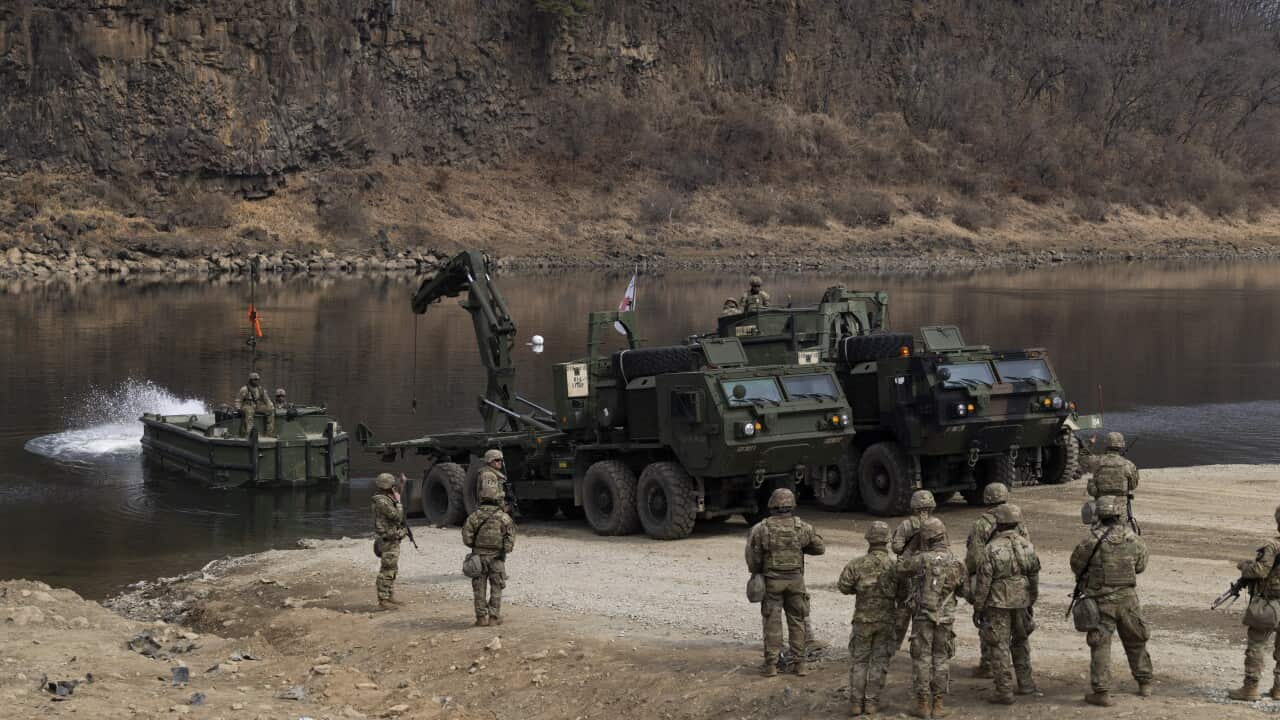
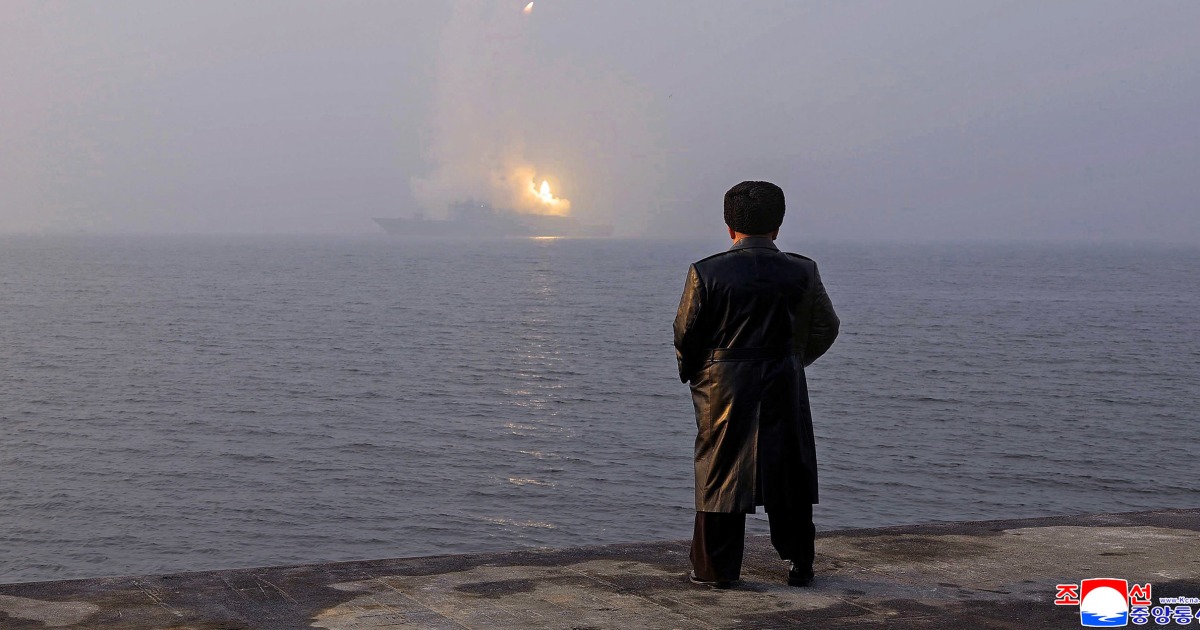
This event occurred during the 11-day Freedom Shield exercise, a joint military operation between Seoul and Washington. Pyongyang has historically viewed these drills as rehearsals for an invasion. Prior to the launch, North Korean state media reported that leader Kim Jong Un had inspected a new warship, claiming it was a critical step toward building a nuclear-armed navy to counter external threats.
Key Developments
The Japanese Coast Guard issued a safety warning to vessels in the region at approximately 4:00 PM local time, though no damage to ships or aircraft was reported. Military intelligence units are currently analyzing the flight data to determine the exact altitude and distance traveled by the missiles. Official reports suggest the weapons were likely ballistic, which would constitute a violation of existing United Nations Security Council resolutions.
North Korea’s continued provocations during routine defensive drills only serve to strengthen the resolve of the ROK-US alliance.
Why This Matters
The timing of the launch is significant as it disrupts the diplomatic lull and directly challenges the presence of US strategic assets in the Korean Peninsula. By demonstrating missile capabilities during the joint drills, North Korea aims to show its deterrence capabilities and its refusal to back down under international pressure. This launch also validates recent domestic claims regarding the modernization of their naval and nuclear strike forces, shifting the balance of regional security.
What Happens Next
The South Korean and US militaries have confirmed they will proceed with the remaining scheduled drills of the Freedom Shield exercise through next week. Emergency meetings are expected at the UN Security Council to discuss the breach of ballistic missile bans. Further tests from North Korea are anticipated as the regime often conducts successive launches during periods of high diplomatic or military activity.
Frequently Asked Questions
What kind of missiles did North Korea fire?
The projectiles are suspected to be short-range ballistic missiles fired into the sea on March 14, 2026. Technical analysis by South Korean and US intelligence is ongoing to confirm the specific model and range.
Why is North Korea firing missiles now?
The launches coincide with the Freedom Shield military exercises, which are joint drills between the US and South Korea. North Korea views these annual maneuvers as a direct threat to its sovereignty.
Was there any damage from the missile launch?
No damage has been reported to vessels or aircraft. The Japanese Coast Guard confirmed the missiles landed in the water outside of Japan's exclusive economic zone.
How has South Korea responded?
The South Korean Joint Chiefs of Staff have increased surveillance and are maintaining a full readiness posture. They are sharing real-time tracking data with US and Japanese allies to monitor further activity.
Is this related to North Korea's nuclear program?
Yes, the launch follows recent statements from Kim Jong Un regarding the development of a nuclear-armed navy. The regime frequently uses missile tests to demonstrate its growing nuclear delivery capabilities.