Vancouver Weather Trend Summary: Pacific Storm Brings Snow, High Winds and Travel Warnings Across British Columbia
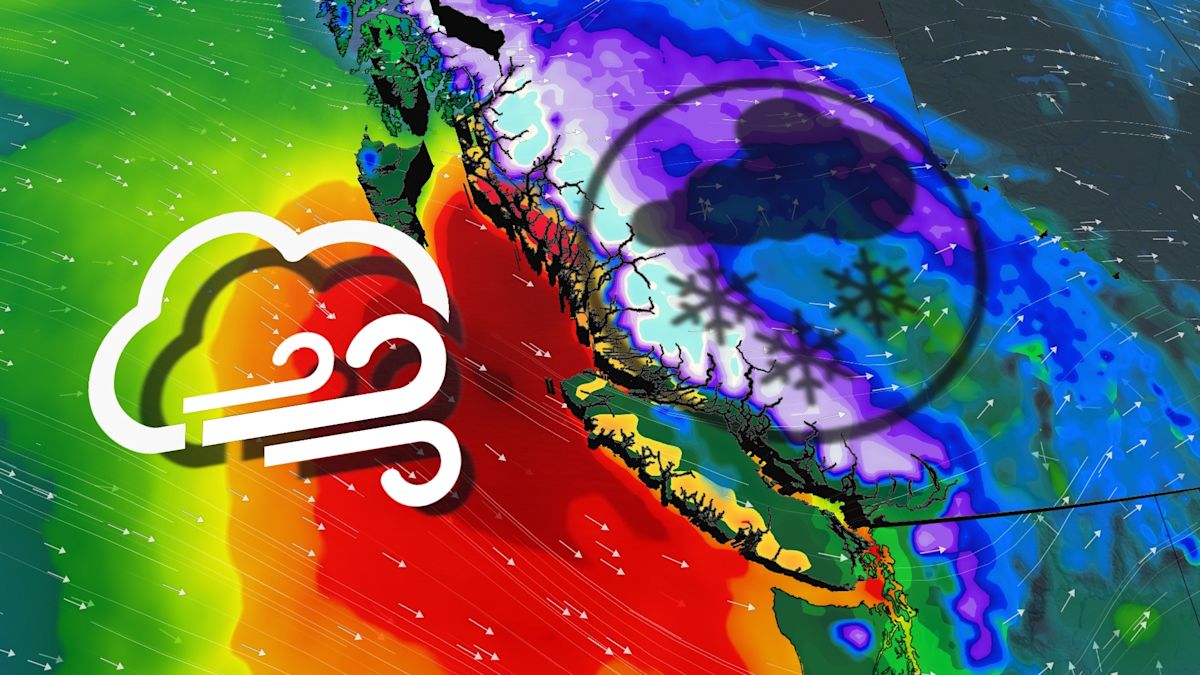
A Pacific winter storm moved across British Columbia, Canada, bringing snow, strong winds, and travel warnings during the second week of March 2026. The system affected multiple regions including Vancouver, the Lower Mainland, Vancouver Island, and interior mountain highways. Weather alerts warned of dangerous alpine snow and powerful wind gusts. The storm disrupted travel conditions while highlighting how close Vancouver remains to a rare no-snow winter.
Snowfall appeared in several communities and mountainous areas, while coastal regions experienced gusty winds and cold temperatures. Some transportation routes and school bus services were affected as the weather system moved through the province.
TL;DR
- A Pacific storm triggered snow and wind warnings across British Columbia.
- Mountain highways and alpine areas faced hazardous winter travel conditions.
- Some Vancouver Island school bus routes were affected by snow and road conditions.
- Vancouver remains close to recording a winter season with little or no measurable snow.
What Happened
A Pacific storm system moved into British Columbia during the second week of March 2026, producing a mix of snow, wind, and cold temperatures across coastal and interior regions. Weather alerts warned of dangerous alpine snowfall and strong wind conditions affecting transportation routes and mountain passes.
Interior highways including the Coquihalla corridor between Hope and Merritt experienced winter storm conditions, with forecasts warning of heavy snow and wind gusts reaching up to 100 km/h. These conditions created hazardous travel for vehicles moving through high-elevation routes.
Snowfall also appeared in communities such as Port Alberni on Vancouver Island, where residents reported late-season snow covering parts of the city. The snowfall arrived unexpectedly for some residents as temperatures dropped during the storm.
Meanwhile, Vancouver and parts of the Lower Mainland experienced a chilly weather pattern with the possibility of snowfall continuing through mid-week. Despite the colder conditions, the city remains close to completing the winter season without significant snowfall accumulation.
Key Developments
Weather alerts covered several regions across British Columbia, including the Lower Mainland, Vancouver Island, interior mountain ranges, and alpine environments. Forecasts warned that alpine terrain could experience especially dangerous snowfall conditions due to elevation and wind exposure.
Transportation impacts were reported across Vancouver Island, where difficult road conditions affected some school bus routes. Despite the disruptions, authorities did not declare official snow days for schools in the region.
Road conditions also deteriorated in mountainous travel corridors as heavy snow combined with strong winds. These conditions reduced visibility and increased the risk of difficult driving along major highway connectors used by long-distance traffic.
The cold weather pattern remained temporary in coastal areas, where temperatures were expected to fluctuate as the storm system moved eastward across the province.
Why This Matters
The storm created hazardous travel conditions across mountain highways that connect major regions of British Columbia. Routes such as the Coquihalla Highway serve as key transportation corridors linking the Lower Mainland with interior communities.
Snowfall and wind warnings also affected daily activities including school transportation, highlighting how quickly winter conditions can disrupt mobility in coastal and mountainous areas.
At the same time, the weather pattern occurred during a season when Vancouver has recorded very limited snowfall. The city remains close to experiencing a winter with little or no measurable snow despite several brief cold weather events.
What Happens Next
Forecasts indicated that snow potential could continue in the Lower Mainland through Wednesday as the storm system moved across southern British Columbia.
Mountain regions and alpine terrain were expected to remain at risk of snowfall and strong winds while the weather system passed through interior areas.
After the storm shifts eastward, temperatures and weather conditions across coastal regions including Vancouver may begin to stabilize.
Key Terms & Concepts
- Winter Storm Warning
- An alert issued by meteorological authorities when significant snowfall, strong winds, or hazardous winter conditions are expected.
- Alpine Snow
- Snowfall that occurs in high-elevation mountain environments where colder temperatures allow heavier snow accumulation.
- Wind Gusts
- Short bursts of stronger wind speeds that can exceed average wind conditions and create dangerous travel situations.
Frequently Asked Questions
Why were weather warnings issued in British Columbia?
Warnings were issued because a Pacific storm brought heavy snow, cold temperatures, and wind gusts reaching 100 km/h in some mountain areas during March 2026.
Did the storm cause school closures on Vancouver Island?
No official snow days were declared, but some school bus routes were affected due to winter road conditions caused by snowfall and icy roads.
Where were the most dangerous travel conditions reported?
Mountain highways such as the Coquihalla corridor between Hope and Merritt faced hazardous driving conditions due to heavy snow and strong winds.
Did Vancouver receive significant snow from the storm?
Vancouver experienced cold weather and potential snowfall, but the city remained close to completing the winter season without major snow accumulation.
When did the storm affect British Columbia?
The weather system moved across the province during the second week of March 2026, bringing snow and wind alerts to several regions.