Singer Self Esteem Warns of Expanding Privilege Gap in UK Music: Trend Summary
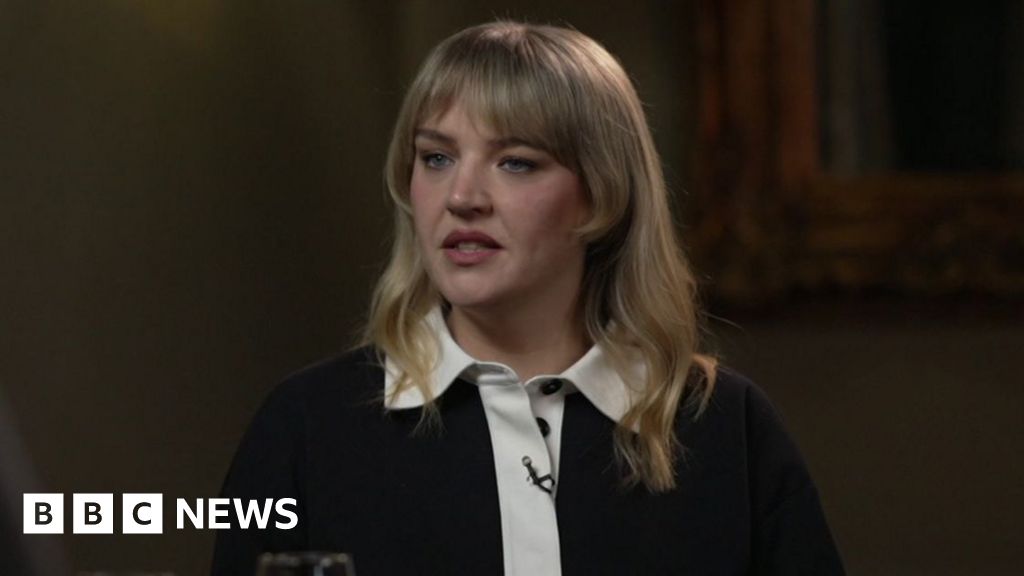
British singer-songwriter Self Esteem, also known as Rebecca Lucy Taylor, has expressed deep concern over the widening 'privilege gap' within the United Kingdom's music industry. Speaking in March 2026, the Mercury Prize nominee highlighted how rising costs and a lack of financial support are making a music career inaccessible for those from working-class backgrounds. This intervention comes as industry experts warn that the creative sector is increasingly dominated by individuals from wealthy families.
TL;DR
- Self Esteem warns that the 'privilege gap' in the music industry is growing wider.
- The singer highlights that pursuing a music career is becoming impossible for non-wealthy artists.
- Financial barriers, including high touring costs and low streaming revenue, are cited as primary causes.
- The trend suggests a future where only the wealthy can afford to be professional musicians.
What Happened
During a series of media appearances in March 2026, Rebecca Lucy Taylor, who performs under the stage name Self Esteem, detailed the systemic barriers facing new artists in Great Britain. Taylor argued that the economic landscape of the modern music business inherently favors those with personal wealth or 'trust funds' to fall back on. She noted that the initial years of a music career are often loss-making, requiring external financial padding that working-class performers simply do not possess. The singer expressed a specific worry that the current trajectory will lead to a total lack of socio-economic diversity in British culture.

Key Developments
The discussion centers on the reality that even successful artists find it difficult to sustain a living without significant backing. Taylor pointed out that the privilege gap is not just about who gets signed, but who can afford to stay in the game long enough to find success. Recent data cited in industry circles indicates that individuals from working-class backgrounds are significantly underrepresented in the arts compared to 10 years ago. Watch the full interview regarding the music industry privilege gap to see the detailed breakdown of these economic hurdles.
I am worried that the privilege gap is getting wider. It is becoming a hobby for the wealthy, and that is a terrifying prospect for the future of British music.
Why This Matters
The narrowing of the socio-economic window for artists has direct implications for the diversity of stories and perspectives in the UK charts. If only the wealthy can afford to tour and record, the 'working-class voice' risks being erased from the cultural zeitgeist. This matters for the UK economy as the creative industries contribute billions to the GDP, and a lack of diverse talent could lead to a stagnation of the global influence of British music. Furthermore, it affects the standings of independent venues, which rely on a steady stream of new, touring talent to remain operational.

What Happens Next
Following Taylor's comments, several industry bodies are expected to review their grant and funding structures for 2026 and 2027. There are growing calls for streaming platforms to adjust payment models to better support emerging artists. Additionally, the government's Culture, Media and Sport Committee is scheduled to hear further evidence on the sustainability of grassroots music later this year.
Key Terms & Concepts
- Privilege Gap
- The disparity in opportunities and success between individuals based on their socio-economic background and access to private wealth.
- Mercury Prize
- An annual music prize awarded for the best album released in the United Kingdom by a British or Irish act.
Frequently Asked Questions
Who is the singer Self Esteem?
Self Esteem is the stage name of Rebecca Lucy Taylor, a British singer-songwriter from Rotherham who rose to prominence with her 2021 album 'Prioritise Pleasure'.
What is the 'privilege gap' she mentioned?
The privilege gap refers to the increasing difficulty for people from working-class or lower-income backgrounds to enter and survive in the music industry compared to those with wealthy families.
Why is the music industry becoming more expensive for artists?
Rising costs for travel, equipment, and accommodation, combined with low returns from digital streaming, mean that many artists lose money while touring in 2026.
Did Self Esteem offer a solution to this problem?
While she focused on highlighting the issue, her advocacy suggests a need for better financial support, more equitable streaming payouts, and grants targeted at working-class creators.