
Iran Airspace Closure Sends Shockwaves Through Global Aviation
Air travel routes linking Europe, the Middle East, and Asia were abruptly disrupted this week after Iran announced sweeping restrictions on its airspace. What began as a technical aviation notice quickly evolved into a geopolitical flashpoint, leaving airlines, passengers, and governments scrambling to respond. This digest unpacks how the closure unfolded, why it matters for the UK and Europe, and what the wider implications could be.
Main Topic Overview
Iran’s decision to restrict or close its airspace came amid sharply rising regional tensions and warnings of possible military escalation. Airspace over Iran is a crucial corridor for long-haul flights between Europe and Asia. When that corridor narrows or shuts, airlines are forced to reroute, adding hours to journeys, increasing fuel costs, and creating knock-on delays across global networks.
Historically, Iranian airspace has remained open even during periods of political strain. Previous regional crises saw limited advisories rather than blanket closures. This time, however, aviation authorities issued NOTAMs (Notices to Airmen) that signaled an unusually high level of caution, prompting immediate airline action.
News Coverage
Iran closes airspace to all flights – live

The Guardian’s live coverage traced the rapid sequence of events following Iran’s announcement, highlighting how quickly international carriers responded. Within hours, multiple airlines suspended flights or altered routes to avoid Iranian airspace entirely. The reporting emphasized uncertainty rather than confirmed outcomes, noting that officials framed the move as precautionary rather than a declaration of conflict.
The article also placed the closure in a broader political context, referencing diplomatic tensions and internal unrest. For aviation observers, the key takeaway was how swiftly a regional security concern translated into immediate operational decisions affecting passengers far beyond Iran’s borders.
'Imminent US strikes' on Iran cause MENA flight chaos

This report focused on the immediate regional fallout, describing a cascade of cancellations and diversions across the Middle East and North Africa. Airlines based in Gulf states were shown adjusting schedules almost in real time, reflecting how interconnected regional airspace management has become.
The article attributed the disruption to fears of imminent military action, while also noting that no official confirmation of strikes had been issued. Analysts quoted in the piece stressed that even unverified warnings can have tangible effects in aviation, where safety margins leave little room for risk.
Iran closes airspace with anticipated US attack 'imminent'

The Jerusalem Post framed the airspace closure as a defensive measure tied to intelligence assessments. Its reporting underscored how aviation decisions are increasingly influenced by security briefings rather than purely civil considerations.
The piece also recalled earlier episodes when airspace restrictions preceded military actions elsewhere in the region, suggesting why airlines tend to err on the side of caution. At the same time, it acknowledged that such closures can persist even if the anticipated escalation does not materialize.
Iran closes airspace to most flights amid heightened tensions
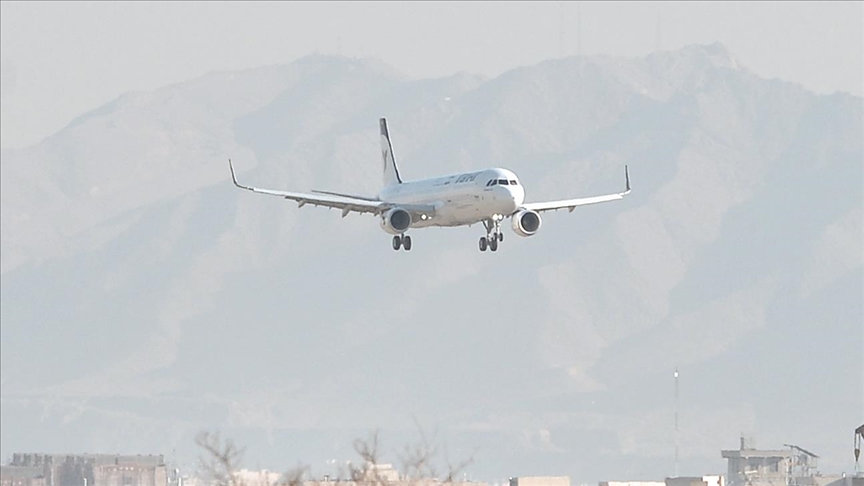
Anadolu Ajansı provided a more technical breakdown of which categories of flights were affected, noting exemptions for certain domestic or emergency movements. This nuance suggested the closure was calibrated rather than absolute.
The reporting also highlighted statements from Iranian aviation authorities, who emphasized safety and air traffic management. For international readers, the article illustrated how official language can soften the perception of disruption while practical impacts remain significant.
Lufthansa Extends Tehran Flight Suspension to January Amid Security Concerns

This piece narrowed in on airline decision-making, using Lufthansa as a case study. The extension of flight suspensions showed how carriers plan beyond immediate headlines, factoring crew safety, insurance, and regulatory guidance.
For UK and European travelers, the article underscored that disruptions may linger even if airspace restrictions are eased. Airlines often require sustained stability before restoring schedules.
Airlines are canceling dozens of flights in and out of Iran as mass protests hit the nation
Business Insider linked the aviation fallout to internal dynamics, particularly mass protests and civil unrest. The analysis suggested that airlines weigh domestic stability alongside external threats when assessing risk.
The article drew parallels with previous protest-driven disruptions in other countries, reinforcing that aviation often acts as an early indicator of broader instability.
Flights to Iran cancelled, in limbo as tensions escalate

Gulf News focused on passenger experience, describing uncertainty faced by travelers with bookings to or through Iran. Airlines, the report noted, struggled to offer clear timelines amid shifting advisories.
This consumer-focused angle complemented more strategic reporting elsewhere, illustrating how geopolitical decisions cascade down to individual itineraries.
Summary / Insights
Across outlets, a consistent picture emerges: Iran’s airspace restrictions are less about a single confirmed event and more about managing perceived risk in an uncertain moment. Airlines have responded conservatively, prioritizing safety and regulatory compliance. For the UK and Europe, the immediate effect is longer routes and higher costs, with potential fare impacts if disruptions persist.
Looking back, similar airspace closures have often lasted longer than initially expected, even when tensions cooled. The coming weeks will likely determine whether this episode becomes a short-lived precaution or a prolonged reshaping of regional air travel patterns.
TL;DR
Iran’s airspace closure has triggered widespread flight disruptions across Europe and the Middle East. Airlines are rerouting or suspending services amid security concerns, with ripple effects for UK travelers and global aviation.