Education Department Overhauls Student Loan System, Ends Graduate Program
The U.S. Department of Education has unveiled sweeping changes to the federal student loan system, including the elimination of a long-standing graduate loan program and the introduction of new repayment caps. The reforms, rolled out amid a partial government shutdown, mark one of the most significant shifts in higher education financing in decades. The goal, according to officials, is to simplify repayment structures and reduce administrative complexity — though the decision has sparked debate among educators, borrowers, and policymakers.
Main Topic Overview
The latest policy changes aim to consolidate several overlapping loan programs into a more streamlined framework. Graduate borrowers will be most affected, as certain professional and postgraduate loan options are being phased out in favor of a unified model. The Department emphasized that the overhaul seeks to balance borrower relief with fiscal sustainability, but reactions have been mixed: while some stakeholders welcomed the simplification, others criticized the abrupt timing and potential reduction in access to funds for advanced degrees.
News Coverage
Education Department eliminates student loan program, ends some repayment plans

WBMA reported that the Department of Education has officially ended certain graduate and undergraduate loan options as part of a broader structural reform. The outlet noted that the move consolidates multiple repayment plans into a single, simplified system. While the Department claims the decision will improve transparency and reduce confusion, critics argue it could disadvantage graduate students who rely on flexible repayment terms to finance advanced education.
Education Dept. Reaches Consensus With Stakeholders on Student Loan Overhaul

NTD News reported that the Department reached a consensus with a coalition of higher education stakeholders, signaling rare bipartisan agreement on key aspects of the overhaul. The consensus includes caps on certain loan amounts and new definitions for professional degree programs. Observers viewed this as a step toward a more transparent, performance-based lending framework, though questions remain about implementation timelines and borrower transition processes.
Rulemaking panel in sync on loan changes
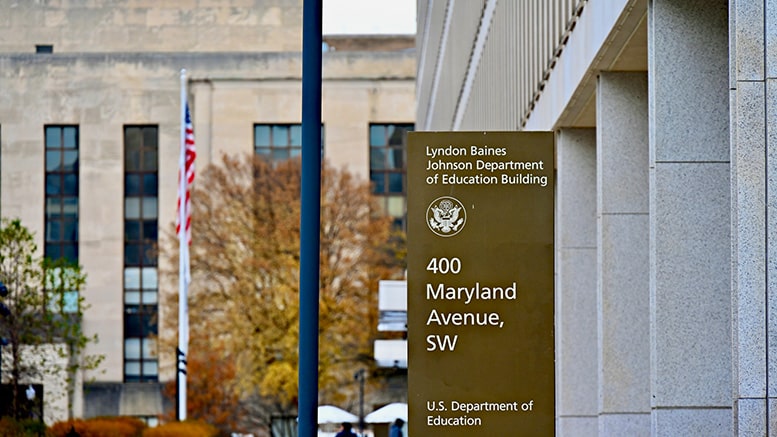
Community College Daily highlighted the progress made by the federal rulemaking committee, which successfully reached alignment on new repayment structures and borrower protections. The report emphasized that institutions will need to adjust quickly to comply with new lending rules and reporting standards. For community colleges, the changes could ease student confusion by unifying repayment terms across multiple loan categories.
Trump's major student-loan repayment overhaul continues during the government shutdown
Business Insider detailed how the administration’s efforts to restructure federal student loans have continued despite the ongoing government shutdown. The report underscored that administrative staff within the Education Department remain operational for critical policy rollouts, including borrower relief notices and loan forgiveness adjustments. Analysts viewed the timing as politically significant, with the administration seeking to show progress amid bureaucratic gridlock.
ED Releases Latest Proposal for Defining Professional Programs

Inside Higher Ed examined a technical component of the reforms: the new criteria for defining “professional programs” eligible for federal loans. The article explained that the Education Department intends to establish clearer boundaries between vocational, professional, and graduate programs. This could influence accreditation standards and funding eligibility for thousands of institutions, signaling a tighter regulatory approach to program classification.
Student Loan Update: Trump Admin Makes Announcement About Changes
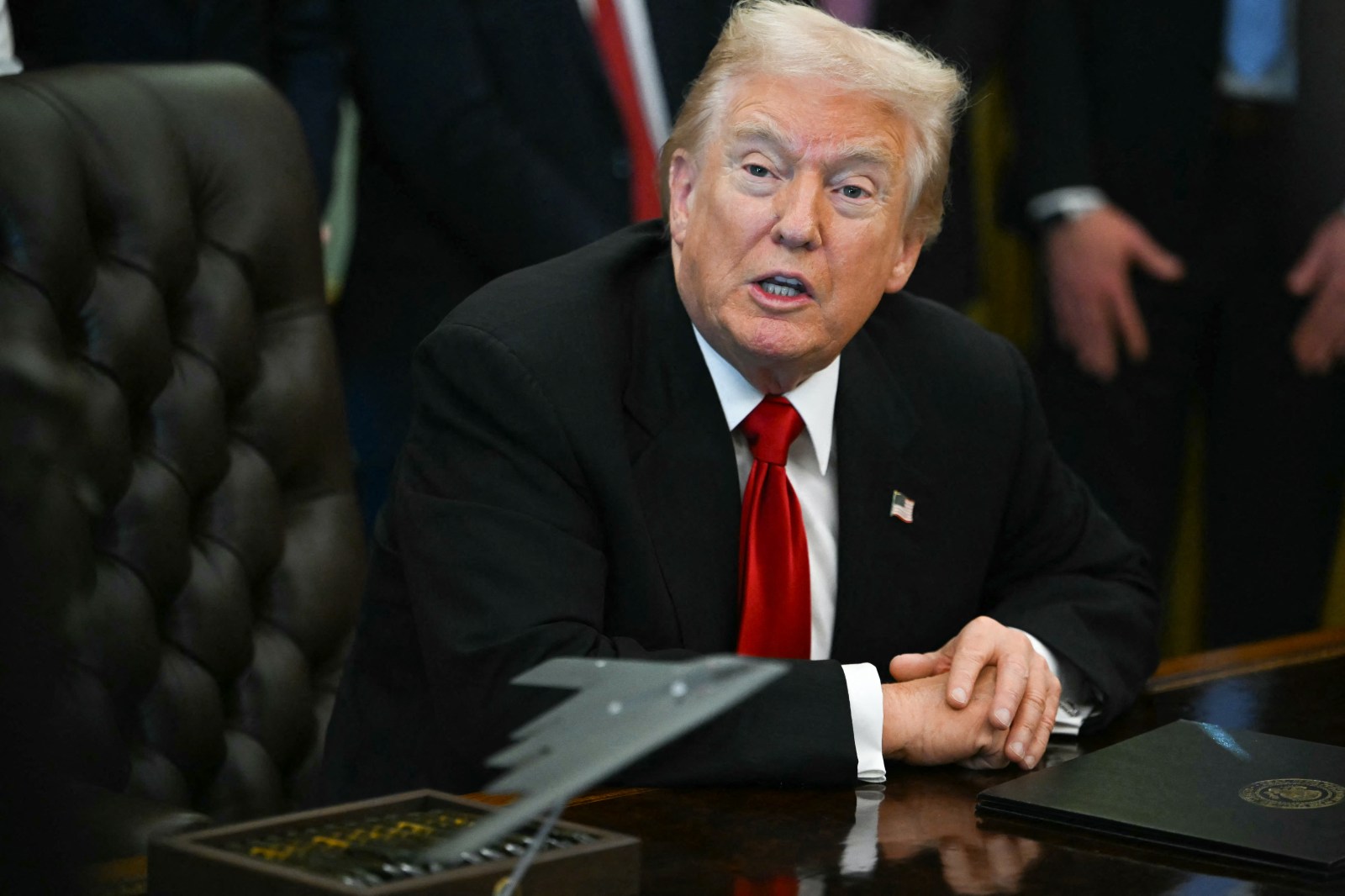
Newsweek reported that the administration formally announced the next phase of its loan repayment overhaul. The changes include restructured interest accrual policies and the introduction of a universal income-driven repayment model. The announcement drew sharp contrasts between the administration’s vision of fiscal restraint and advocates’ calls for broader debt cancellation, reflecting the polarized national debate over higher education funding.
Student loan forgiveness notices are going out despite the shutdown — what borrowers need to do next

CNBC explained that despite the federal shutdown, automated student loan forgiveness notices continue to be distributed to eligible borrowers. The article provided step-by-step guidance on how borrowers can confirm eligibility and maintain access to online repayment services. Analysts suggested that this continuity demonstrates the Department’s intent to ensure minimal disruption to borrower communications.
Summary / Insights
The Education Department’s sweeping loan overhaul represents a paradigm shift in how the U.S. funds and manages higher education. While simplification and accountability are central to the reforms, the elimination of graduate loan options raises concerns about affordability and access. Media coverage suggests that the move is both politically strategic and structurally ambitious — seeking to modernize a system long criticized for inefficiency. The coming months will test whether these reforms deliver meaningful borrower relief or compound existing inequities.
TL;DR
The Department of Education is restructuring the federal loan system, ending certain graduate programs and revising repayment models to simplify access and enhance fiscal responsibility — a move drawing both praise and criticism.