Amendment in Action: How a Minnesota ICE Showdown Is Forcing a 10th Amendment Reckoning
For most Americans, the 10th Amendment is a dusty relic from high school civics—the one about "powers not delegated to the United States... are reserved to the States." This week, that abstraction became a fiery, front-page reality in Minnesota. A massive federal immigration enforcement operation, culminating in a fatal shooting in Minneapolis, has triggered a dramatic lawsuit from the state, accusing federal agents of an unlawful "invasion." Suddenly, everyone from cable news pundits to local talk radio is debating states' rights, federal overreach, and the precise boundaries of sovereignty in 2026 America. This isn't just a legal dispute; it's a live-action constitutional crisis playing out in real-time, exposing raw nerves about law enforcement, immigration, and who ultimately gets to call the shots within a state's borders.
Main Topic Overview
The timeline is critical. In early January, U.S. Immigration and Customs Enforcement (ICE) launched what it described as a targeted enforcement operation across Minnesota, leading to over a thousand arrests for crimes ranging from fraud to violent offenses. The operation, according to follow-up reports, was linked to a years-old scandal involving alleged fraud by immigrants in state healthcare programs. Tensions exploded on January 14th when an ICE agent, during an attempted arrest in Minneapolis, shot and killed a man. Within hours, Minnesota's Attorney General filed a lawsuit seeking an emergency restraining order to halt ICE activities, using the incendiary language of a "federal invasion." A federal judge declined the immediate order but set aggressive deadlines, keeping the legal battle on a fast track. This sequence—large-scale operation, tragic violence, immediate legal retaliation—created a perfect storm, thrusting the 10th Amendment from theory into a heated, emotionally charged conflict over public safety, federal authority, and state autonomy.
News Coverage
Over 1,000 arrested in ‘massive’ Minnesota operation, including murderers, rapists, pedophiles
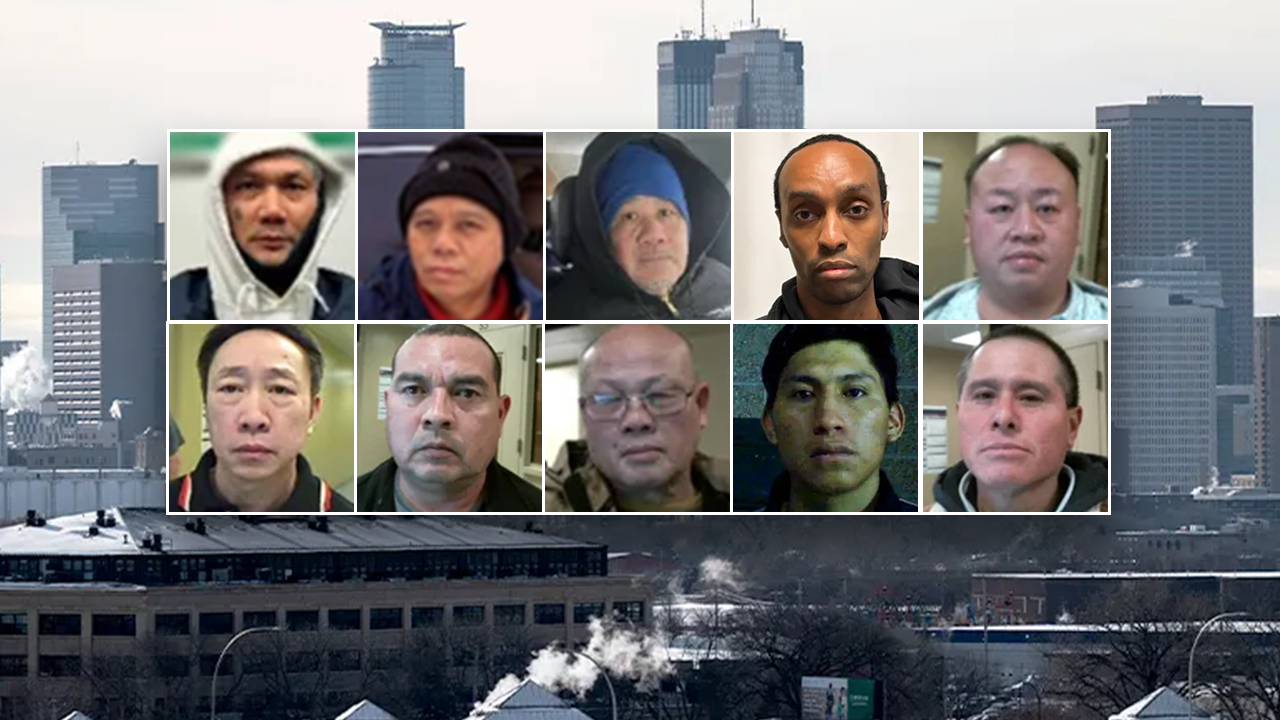
This initial report from Fox News framed the ICE operation as an unequivocal public safety victory. The coverage emphasized the scale ("over 1,000") and the severity of the charges, listing specific crimes to underscore the threat removed from communities. This narrative established the federal government's primary justification: that it was fulfilling its duty to enforce immigration law and protect citizens from dangerous individuals who had slipped through state-level systems. The article served as the foundational argument for federal authority, suggesting that robust enforcement is a non-negotiable federal responsibility that states are ill-equipped or unwilling to handle themselves. It set the stage for the coming conflict by presenting the operation as necessary and effective, prior to the shooting that would later galvanize opposition.
How ICE raids in Minnesota connect to a years-old fraud scandal
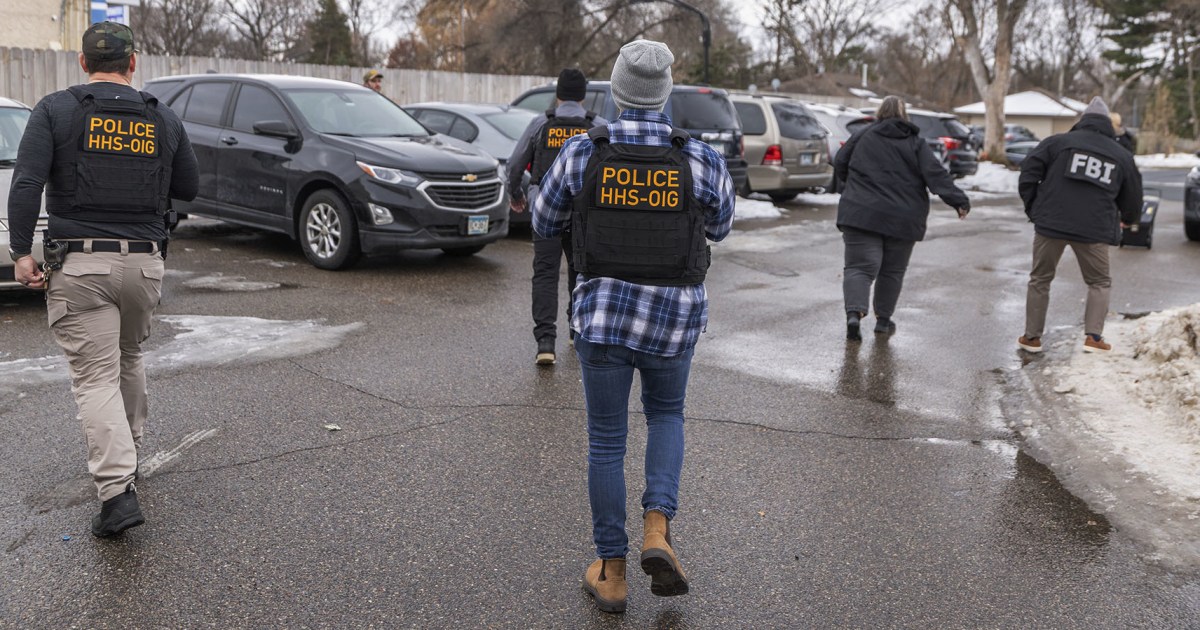
NBC News provided crucial context, digging beneath the headlines to explore the operation's origins. The report connected the raids to a sprawling fraud investigation into Minnesota's public healthcare system, suggesting the federal action was a direct response to alleged systemic abuse that the state had failed to adequately address. This piece added a layer of complexity, framing the conflict not just as a pure federal-state power struggle, but as a federal reaction to perceived state failure. It introduced the idea that the 10th Amendment's protection of state powers comes with an implicit responsibility; when a state is seen as failing to police a problem with federal implications (like immigration fraud), it invites federal intervention. This analysis helped explain the federal government's asserted justification for such a large-scale operation on state turf.
‘I’m Embarrassed’: ICE Agents Speak About the Shooting in Minneapolis

Time's exclusive interview humanized the federal agents at the center of the storm, providing a perspective often missing from the political and legal framing. The quotes from agents expressing embarrassment and frustration revealed the on-the-ground tension and the operational messiness of such raids. This coverage complicated the narrative, showing that the "federal invasion" was carried out by individuals facing dangerous, volatile situations, not just a faceless bureaucracy. It indirectly raised questions about coordination (or lack thereof) with local police, a key point in the state's lawsuit. By giving voice to the rank-and-file agents, the article reminded readers that constitutional clashes are executed by people, adding a layer of moral and operational ambiguity to the clear-cut legal arguments being made in court.
Judge declines to grant TRO request but sets deadlines as Minnesota seeks to stop 'federal invasion'

This local report from KSTP captured the immediate legal outcome. The judge's decision was a procedural split: denying the immediate halt Minnesota sought, but fast-tracking the case. Legally, this signaled the court's recognition of the seriousness of the state's claims without endorsing them. The use of the state's own term "federal invasion" in the headline, attributed properly, illustrated how the legal filing was shaping public discourse. This coverage was vital for showing the mechanism of the 10th Amendment conflict—it's not a street brawl, but a carefully argued process in a courtroom. The judge's move to set quick deadlines indicated this wouldn't be a slow, years-long constitutional deliberation, but a rapid, high-stakes legal showdown with immediate political consequences.
Port: Perhaps Democrats now realize the importance of the 10th Amendment

This opinion column from a North Dakota paper is a prime example of how the event became a national political Rorschach test. The author framed Minnesota's Democratic-led lawsuit as a hypocritical awakening to states' rights principles traditionally championed by conservatives. This perspective highlights the deep ideological irony at play: a liberal state invoking a constitutional amendment beloved by small-government conservatives to resist a federal administration. The column pushed the story beyond Minnesota, making it a case study in the fluid, often opportunistic, use of constitutional principles. It argued that the 10th Amendment isn't owned by one party, but is a tool available to any state feeling oppressed by federal power, thus nationalizing a local conflict into a broader debate about partisan constitutionalism.
Summary / Insights
The Minnesota ICE confrontation is a textbook 10th Amendment crisis, but with modern, volatile twists. The core narrative is a collision between two legitimate government interests: the federal duty to enforce national immigration law and a state's sovereign right to maintain order and peace within its borders. The shooting tragedy transformed a contentious policy operation into a visceral, emotional catalyst for state action. The lawsuit's "invasion" rhetoric is strategically extreme, designed to match the emotional temperature and invoke the deepest protections of state sovereignty. What makes this trend particularly resonant is its inversion of traditional political alignments around states' rights, forcing both sides to awkwardly defend principles they've often criticized. The likely outcome isn't a definitive Supreme Court ruling on the 10th Amendment, but a narrower decision on coordination protocols, use of force, and the definition of "cooperative federalism" in immigration enforcement. The lasting insight is that the 10th Amendment remains a powerful, dormant tool, not as a abstract concept, but as a live legal weapon. It's deployed not in times of calm, but in moments of profound breakdown in trust between state and federal authorities, reminding us that the balance of power in the Constitution isn't settled—it's constantly being negotiated, sometimes on the streets of Minneapolis.
TL;DR: A large ICE operation in Minnesota, ending in a fatal shooting, sparked a state lawsuit accusing the federal government of an unlawful "invasion." This explosive conflict has thrust the 10th Amendment (states' rights) into the spotlight, creating a constitutional showdown that's flipping traditional political scripts and testing the limits of federal power within a state.