Mojtaba Khamenei Succession and Relations: A Trend Summary
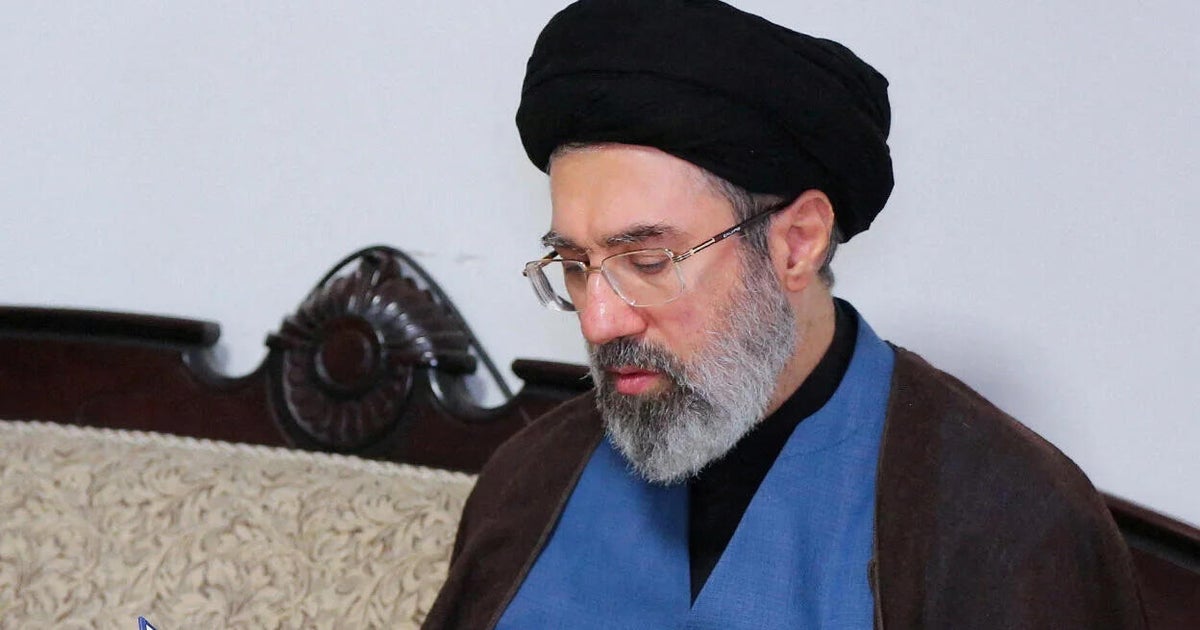
Mojtaba Khamenei has reportedly assumed the position of Iran's Supreme Leader following the death of his father, Ayatollah Ali Khamenei, in March 2026. This transition occurs amid high regional tension, with the new leader issuing a defiant stance against external pressure while facing internal scrutiny over the legitimacy of his appointment. U.S. and Israeli intelligence agencies are closely monitoring the shift, citing potential shifts in Iran's military strategy and its reliance on foreign allies like Russia.
TL;DR
- Mojtaba Khamenei has officially issued his first statement as Supreme Leader, vowing to continue military resistance.
- U.S. President Donald Trump has called for Iran to surrender, questioning the status and survival of the new leadership.
- Intelligence reports suggest the Islamic Revolutionary Guard Corps (IRGC) may be using Mojtaba as a figurehead to consolidate their own power.
- The transition impacts Iran's strategic partnerships, particularly regarding military support and diplomatic backing from Russia.
What Happened
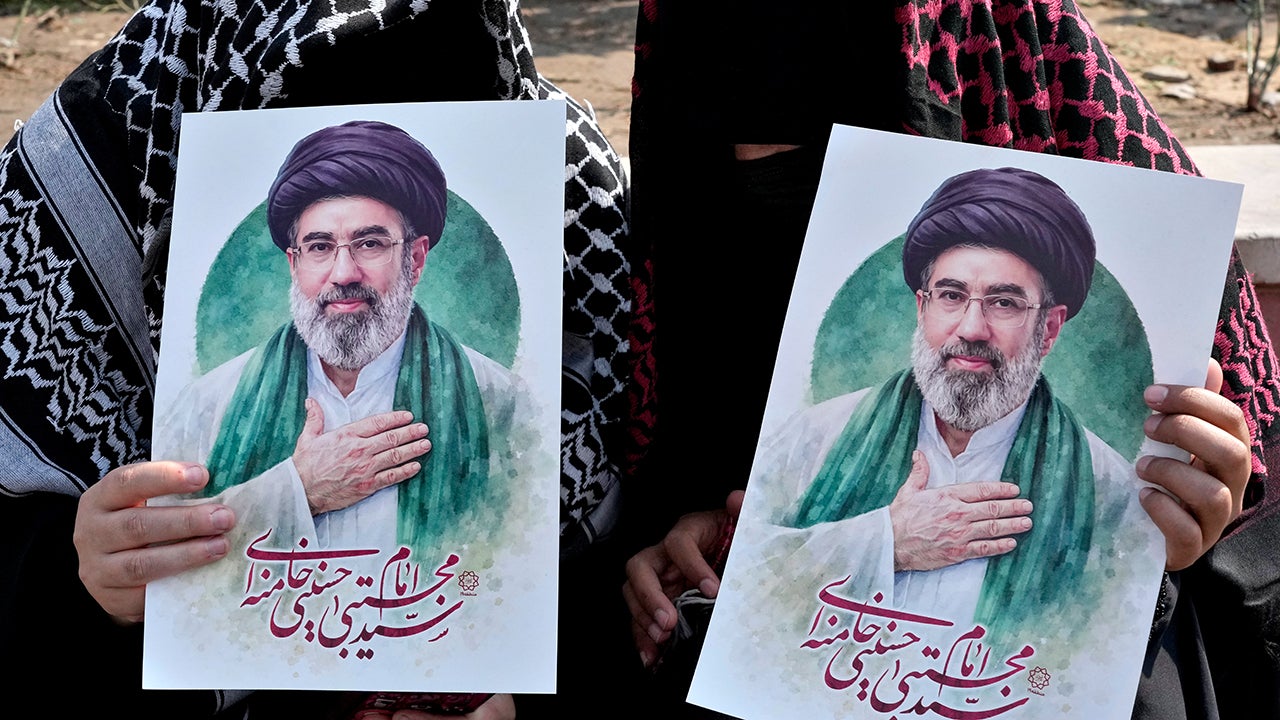
Following the death of Ayatollah Ali Khamenei, the Assembly of Experts moved to install his second son, Mojtaba Khamenei, as the new Supreme Leader of Iran. On March 12, 2026, Mojtaba issued his first official statement in this role, declaring an intention to fight against perceived aggressors and maintaining the hardline policies of his predecessor. This move follows years of internal maneuvering within the clerical establishment to ensure a hereditary-style succession despite historical religious objections to such a model.
I will not retreat from the path of resistance. Our enemies must understand that the leadership of the Islamic Republic remains steadfast in its defense of the nation.
The U.S. government has responded with skepticism regarding the stability of this new regime. On March 15, 2026, President Donald Trump publicly demanded that Iran 'surrender' and claimed to have heard reports that the new leader might 'not be alive' or is incapacitated, though these claims remain unverified by independent ground reports. International observers note that Mojtaba's rise was not without friction; U.S. intelligence previously indicated that even his own father had expressed wariness about his son taking power, fearing it would undermine the revolutionary principles of the state.

Key Developments
The Islamic Revolutionary Guard Corps (IRGC) has significantly tightened its grip on domestic security since the succession. Reports indicate that while Mojtaba holds the title of Supreme Leader, the IRGC leadership is exercising real control over the country's ballistic missile program and regional proxy networks. Diplomatic channels suggest that Iran is seeking increased military coordination with Russia to offset Western sanctions and threats of direct military intervention. There are ongoing efforts to secure advanced Russian air defense systems to protect critical infrastructure during this leadership transition. Furthermore, the Assembly of Experts has moved to silence dissenters within the Qom theological seminaries who have questioned the religious credentials of the new leader.
Why This Matters
The succession of Mojtaba Khamenei marks a pivotal shift from a clerical-led autocracy toward a more militarized, IRGC-dominated state. This change has immediate implications for the ongoing conflict in the Middle East and Iran's nuclear trajectory. Russia's role as a primary security partner for the new regime could lead to a deeper Eurasian alliance, complicating U.S. efforts to isolate Tehran. The stability of the global energy market is also at stake, as any internal power struggle or external strike on Iran could disrupt oil exports through the Strait of Hormuz.
What Happens Next
The Iranian government is expected to hold a formal inauguration ceremony in the coming weeks, provided the internal security situation remains stable. The U.S. administration has signaled that it will continue to apply 'maximum pressure' through sanctions until the new leadership clarifies its stance on regional proxies. Monitoring of the Iran-Russia military partnership will intensify, with specific attention on potential transfers of drone technology and satellite intelligence. Protests within Iran remain a possibility if the economic situation deteriorates further under the new administration.
Key Terms & Concepts
- Assembly of Experts
- A deliberative body of 88 theologians charged with electing and overseeing the Supreme Leader of Iran.
- IRGC (Islamic Revolutionary Guard Corps)
- A primary branch of the Iranian Armed Forces intended to protect the country's Islamic republic system.
- Succession
- The process or sequence by which one person takes over a position of power from another.
Frequently Asked Questions
Who is Mojtaba Khamenei?
He is the second son of the late Ayatollah Ali Khamenei and has been recently named as his father's successor as the Supreme Leader of Iran. He has long been considered a powerful figure behind the scenes in Tehran's political and military circles.
What was the first statement from the new leader?
On March 12, 2026, Mojtaba Khamenei vowed to continue the 'path of resistance' against Western powers. He emphasized that Iran would not surrender its military objectives or regional influence.
What is the U.S. position on the new Iranian leadership?
President Donald Trump has called for a total surrender from the Iranian regime. He has also publicly questioned whether the new leader is actually alive or effectively in control of the government.
How does Russia fit into this power transition?
Russia remains a critical ally for the new leadership, providing diplomatic cover and potentially advanced military hardware. The relationship is expected to deepen as Mojtaba Khamenei seeks to secure his position against external threats.
Is the IRGC in control of Iran?
Current intelligence suggests that while Mojtaba Khamenei is the official Supreme Leader, the IRGC has gained significant operational control. They are currently the dominant force managing Iran's defense and foreign policy strategies.
Resources
Sources and references cited in this article.