Interstellar Comet I/ATLAS: A Celestial Visitor Illuminates Our Skies
The interstellar comet I/ATLAS has recently captured the attention of astronomers and sky enthusiasts alike as it makes its journey through our solar system. This trend digest explores the significance of I/ATLAS, its unique features, and the scientific insights gleaned from its visit. From the comet's vibrant green glow to its mysterious origins, the coverage below provides a comprehensive look at this celestial event.
Main Topic Overview
Comet I/ATLAS is an interstellar visitor, originating from beyond our solar system. This celestial body offers a rare opportunity for scientists to study materials from other star systems. Its greenish hue, as observed by various telescopes, is a notable feature that has intrigued researchers, indicating the presence of diatomic carbon and cyanogen. As it approaches Earth, the comet presents a dazzling spectacle while offering valuable data for astronomers.
News Coverage
XMM-Newton sees comet I/ATLAS in X-ray light

The XMM-Newton space observatory has provided a unique perspective of comet I/ATLAS by capturing it in X-ray light. This observation reveals the interactions between the solar wind and the comet's gas and dust, offering insights into its composition and the physical processes at play. Such data is crucial for understanding how interstellar objects behave as they traverse our solar system.
Gemini North Color Images Reveal Greenish Glow of Comet I/ATLAS
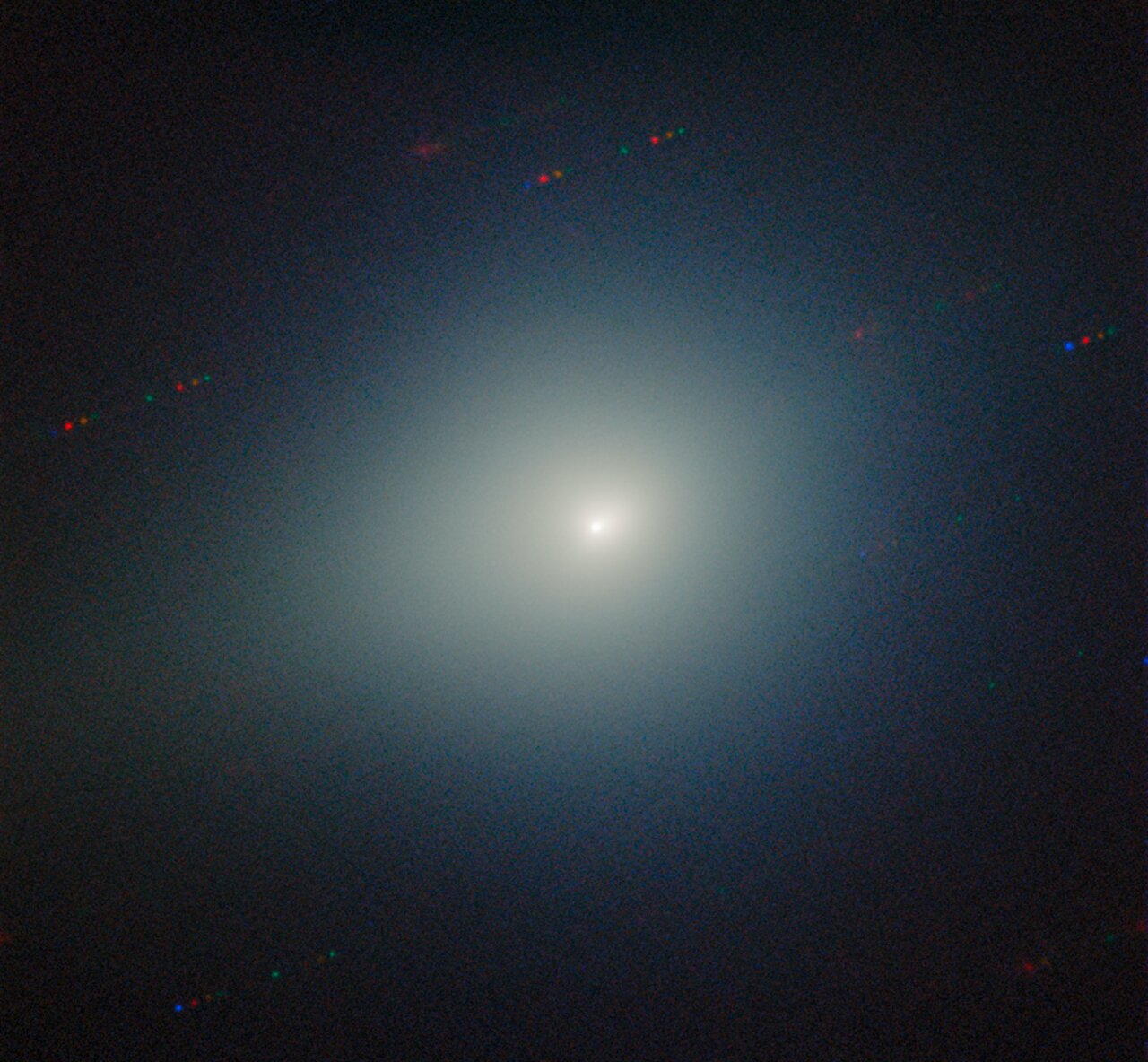
The Gemini North telescope has captured stunning color images of comet I/ATLAS, highlighting its distinctive greenish glow. This coloration is attributed to the presence of gaseous diatomic carbon (C2) and cyanogen (CN), which fluoresce under sunlight. Such observations are pivotal in understanding the chemical makeup of the comet and its interactions with solar radiation.
Comet I/ATLAS is getting greener and brighter as it approaches Earth, new images reveal
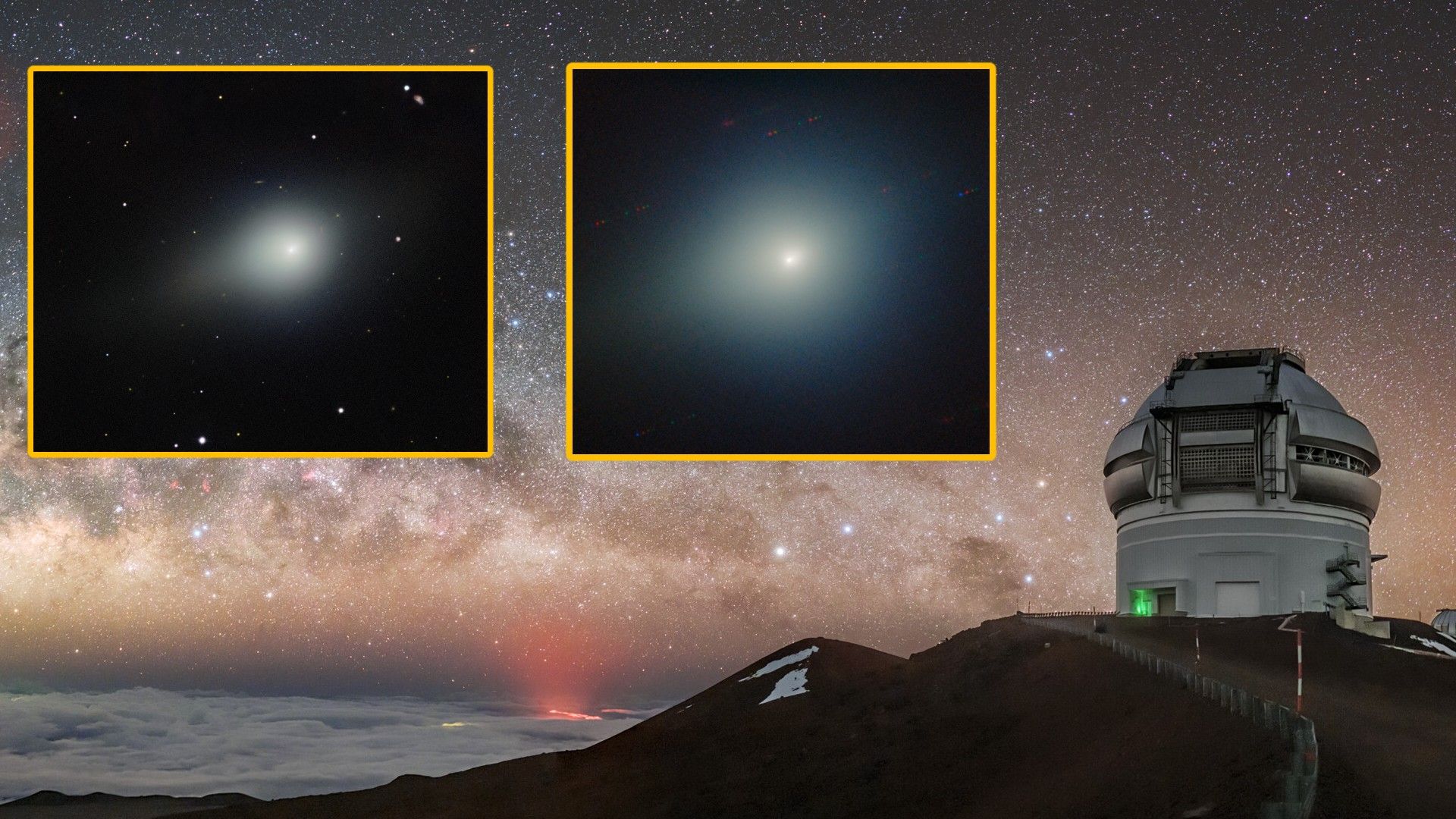
As comet I/ATLAS journeys closer to Earth, it has become increasingly vibrant and visible. Recent images highlight its growing brightness and intensified green hue, likely due to the sublimation of ices and release of gases under solar heating. This phenomenon not only provides a visual treat but also gives scientists a window into the comet's evolving structure and activity as it nears the Sun.
Photographer captures interstellar comet I/ATLAS glowing over Egypt's Black Desert

In a breathtaking display, the interstellar comet I/ATLAS was photographed over Egypt's Black Desert, showcasing its ethereal glow against a stark landscape. Such images underscore the comet's visual impact and its role in connecting cosmic events with earthly backdrops. This intersection of astronomy and photography brings the celestial phenomenon closer to public consciousness.
Countdown clock to I/ATLAS. When will interstellar comet pass by Earth?

With the approach of comet I/ATLAS, anticipation builds as scientists and enthusiasts track its trajectory. The countdown to its closest approach offers a timeline for both observation and study, providing a rare chance to gather data from an interstellar object. This event is a reminder of the dynamic and interconnected nature of our solar system.
Interstellar comet I/ATLAS caught on camera in new images from Hubble Space Telescope and JUICE Jupiter probe

The Hubble Space Telescope, alongside the JUICE Jupiter probe, has captured detailed images of comet I/ATLAS, offering unprecedented views of its structure and behavior. These observations are critical in piecing together the comet's origins and trajectory, enriching our understanding of interstellar objects. The collaboration between these advanced instruments highlights the synergy in modern astronomical research.
NASA's Hubble telescope gets another look at I/ATLAS. Here's what it found

NASA's Hubble Space Telescope continues to play a pivotal role in monitoring comet I/ATLAS. Its recent observations contribute to a growing body of knowledge about the comet's composition and activity. Hubble's capability to capture detailed images and data serves as an essential tool for understanding the dynamics of such celestial visitors.
Interstellar comet I/ATLAS' journey through our solar system, in photos
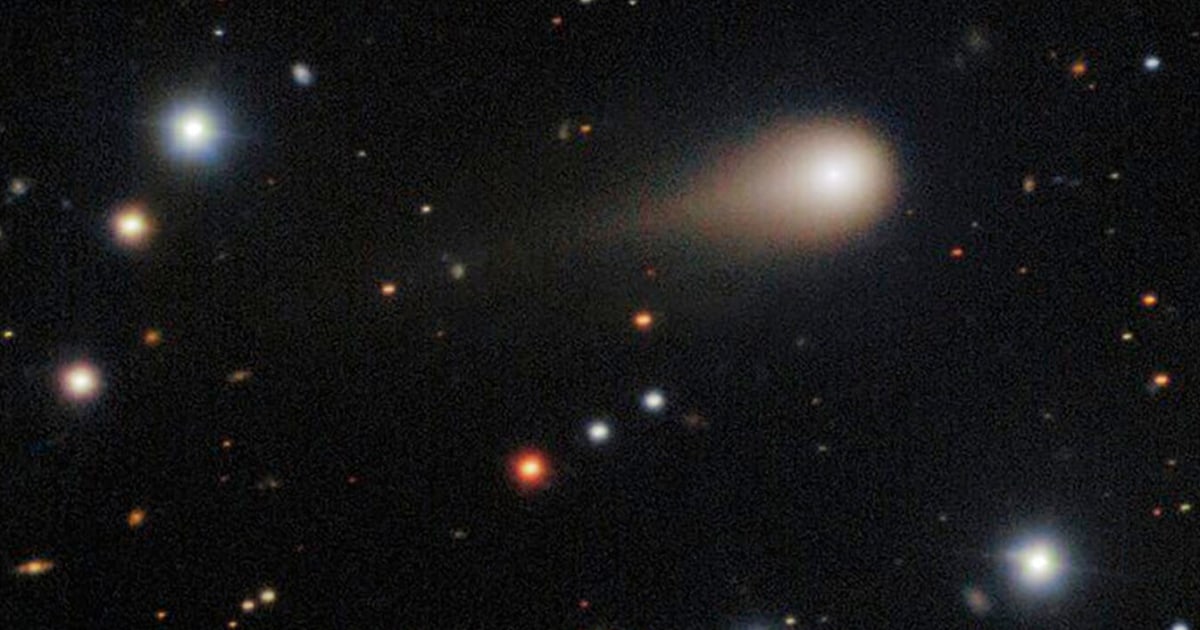
NBC News provides a visual chronicle of comet I/ATLAS' journey, showcasing a series of stunning images that capture its passage through our solar system. These photos not only highlight the comet's beauty but also serve as a record of its interaction with solar forces, offering a visual narrative of its interstellar voyage.
NASA’s Hubble Space Telescope Revisits Interstellar Comet
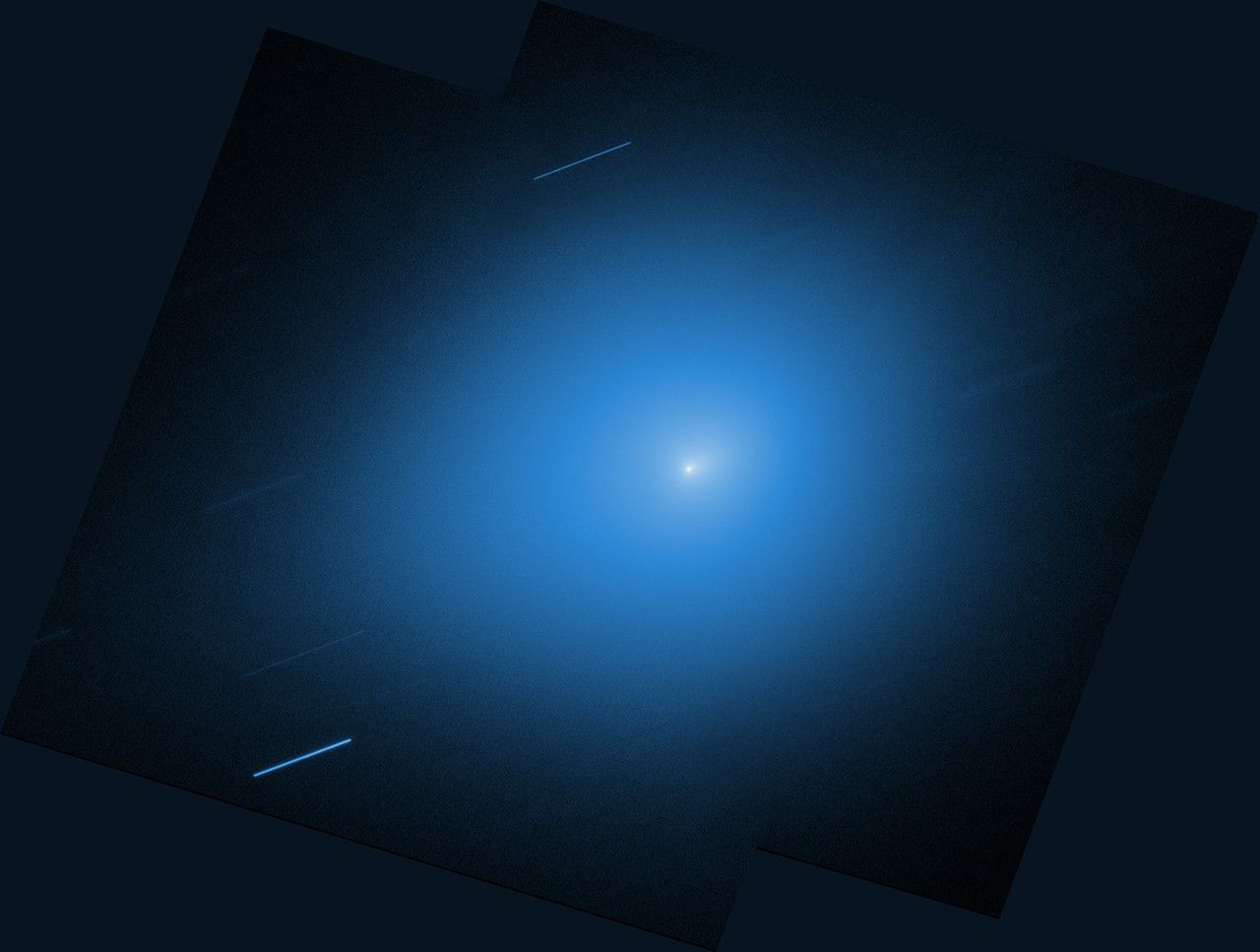
NASA's continued observation of comet I/ATLAS through the Hubble Space Telescope underscores its commitment to understanding these rare interstellar objects. The data collected during these revisits provide a window into the comet's changing characteristics, aiding scientists in unraveling its mysteries and refining models of cometary behavior.
Fresh From Capturing Image Of I/ATLAS, NASA's MAVEN Suffers "Anomaly" And Is No Longer Communicating With Earth

In an unexpected turn, NASA's MAVEN mission, after capturing images of comet I/ATLAS, has experienced an "anomaly" that halted communications with Earth. This incident highlights the challenges faced by space missions and the importance of contingency plans. While unfortunate, the data already gathered remains a valuable asset for ongoing comet research.
Summary / Insights
The passage of comet I/ATLAS through our solar system offers a rare glimpse into interstellar phenomena, enriching our understanding of cometary science and the materials from other star systems. Its distinctive green glow and the wealth of data collected by observatories highlight its significance. While NASA's MAVEN anomaly underscores the risks of space exploration, the overall insights gained from I/ATLAS promise to deepen scientific knowledge and inspire future research.