South Australia Algal Bloom Crisis and Brevetoxin Exposure: Trend Summary
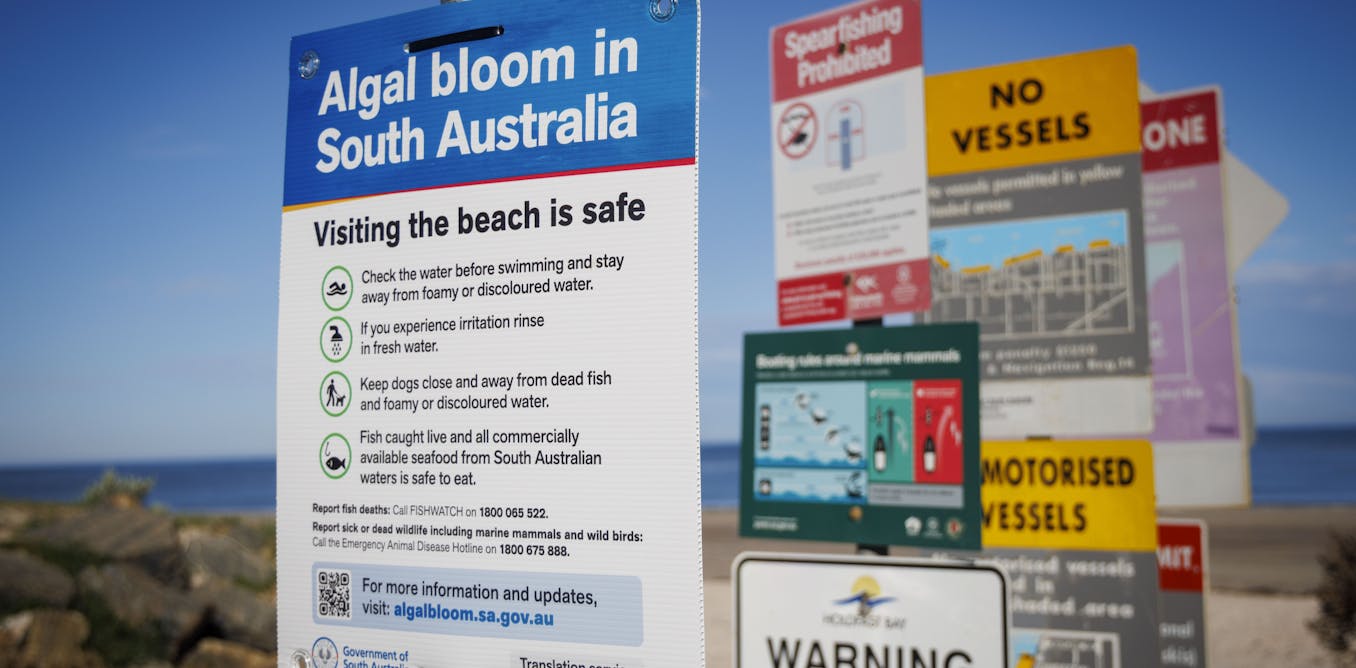
A massive toxic algal bloom containing dangerous brevetoxins has spread across South Australian waters, leading to significant environmental damage and accusations of a government cover-up regarding public health risks. The crisis, which began over a year ago, has now become a major political and economic issue for the state. Recent investigations suggest that the Malinauskas government delayed critical warnings to avoid public panic and protect the local seafood industry.
TL;DR
- A widespread algal bloom in South Australia has released potent brevetoxins into the marine ecosystem.
- The South Australian government is facing intense scrutiny for allegedly withholding health information from the public.
- The economic cost of the crisis is estimated to be in the millions, impacting tourism and the seafood sector.
- The bloom is still spreading one year after its initial detection, causing mass fish kills and biodiversity loss.
What Happened
In early 2025, a bloom of the toxic algae species Karenia brevis was detected off the coast of South Australia, though recent research indicates the species was not entirely new to these waters. As the bloom expanded, it released brevetoxins—potent neurotoxins—into the water and air. By March 2026, reports emerged that the state government, led by Premier Peter Malinauskas, had been aware of the specific toxic nature of the bloom months before issuing explicit public health directives. Investigative reports, including a Four Corners documentary titled 'Toxic Tide', highlight that internal documents warned of the risks of Aerosolized Brevetoxin Respiratory Irritation (ABRI) as early as last year. Despite these internal warnings, the public was told the bloom was a natural event and not to 'scare' residents.
Key Developments
The financial impact of this environmental disaster has been staggering, with estimates placing the total cost at over $100 million due to lost revenue in the seafood and tourism industries. Scientists have confirmed that the bloom has resulted in stripping the sea of life in affected areas, with thousands of dead fish and marine mammals washing ashore. Furthermore, researchers have clarified that while the intensity of this bloom is unprecedented, the algae itself likely existed in South Australian waters in dormant states for years. Premier Peter Malinauskas has defended the state's messaging strategy, stating:
We don't run around every time there's a problem saying we've got a toxic beer crisis; we manage the risks proportionally to avoid unnecessary panic.
Why This Matters
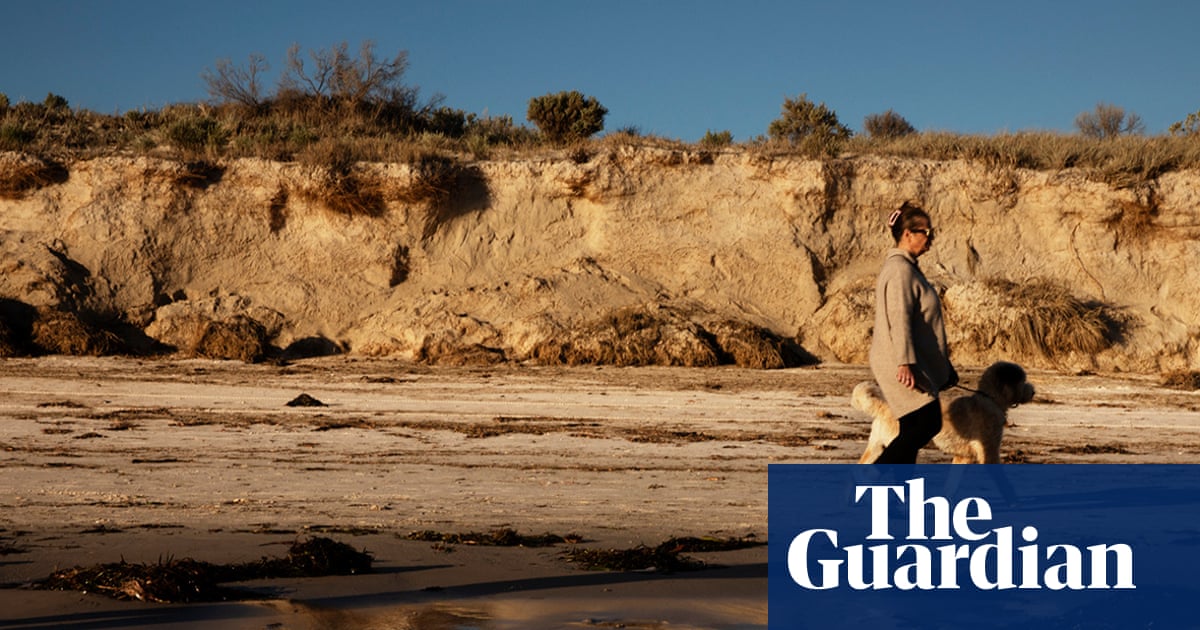
This event is critical because brevetoxins can cause Neurotoxic Shellfish Poisoning (NSP) in humans who consume contaminated seafood. Additionally, when waves break, the toxins become airborne, causing respiratory distress, coughing, and sneezing for people on the shore. The crisis has undermined public trust in the state's environmental monitoring and health reporting systems. The ongoing spread of the bloom one year on suggests a permanent shift in the local marine environment that could threaten South Australia's status as a premium seafood exporter.
What Happens Next
Parliamentary inquiries are expected to begin within the next month to investigate the timeline of the government's response and the alleged suppression of health data. Environmental agencies will continue monitoring the water quality, especially as the bloom shows no signs of dissipating. Residents are advised to avoid areas with visible water discoloration and to check for official health updates regarding seafood safety before consumption.
Key Terms & Concepts
- Brevetoxin
- A suite of cyclic polyether compounds produced by the dinoflagellate Karenia brevis that act as neurotoxins.
- Aerosolized Brevetoxin
- The process where sea spray carries toxins into the air, causing respiratory issues for humans and animals near the shore.
- Neurotoxic Shellfish Poisoning (NSP)
- A foodborne illness caused by eating shellfish contaminated with brevetoxins, resulting in gastrointestinal and neurological symptoms.
Frequently Asked Questions
What is brevetoxin and is it dangerous?
Brevetoxin is a potent neurotoxin produced by specific algae that can cause respiratory irritation if inhaled and severe poisoning if ingested. In South Australia, levels have been high enough to cause mass deaths of marine life.
Can I eat seafood from South Australia right now?
You should only consume seafood from verified commercial sources that have undergone testing. Authorities recommend avoiding any recreationally caught shellfish from areas currently affected by the 2026 algal bloom.
Why is the South Australian government being criticized?
The government is accused of 'gaslighting' the public by delaying toxic labels on warnings. Internal documents suggest officials knew the bloom was dangerous months before the public was fully informed in early 2026.
How does the algal bloom affect my breathing?
When waves break, they release toxins into the air as an aerosol. People at South Australian beaches have reported symptoms such as intense coughing, sneezing, and watery eyes due to these airborne toxins.

Resources
Sources and references cited in this article.