National Cabinet Emergency Meeting Over Australia Fuel Crisis: Trend Summary
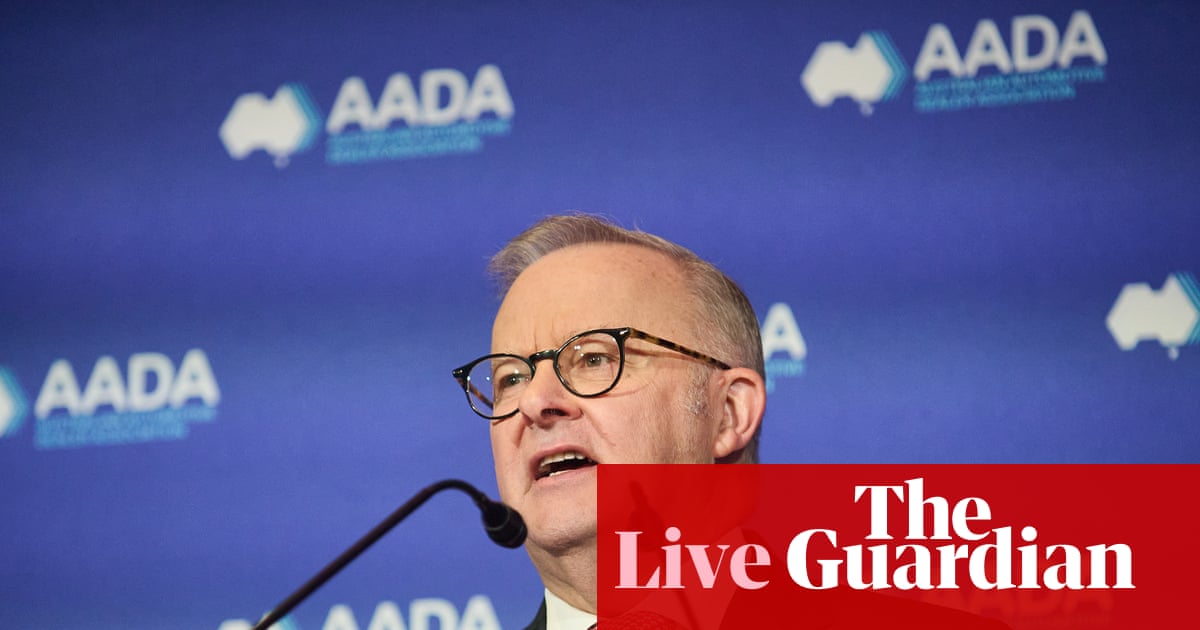
Prime Minister Anthony Albanese called an emergency National Cabinet meeting on March 18, 2026, to address a critical fuel shortage across Australia. The government is responding to supply chain shocks and rising prices triggered by conflict in the Middle East and the closure of the Strait of Hormuz. Authorities are now urging citizens to stop stockpiling petrol to prevent artificial shortages and ensure distribution remains stable for essential services.
TL;DR
- Prime Minister Albanese convened an emergency National Cabinet to manage fuel supply security.
- The Strait of Hormuz closure has disrupted global oil shipments, spiking local prices.
- Major fuel companies like Ampol and Viva are in talks for potential government support.
- Australians are warned that panic-buying is creating unnecessary local shortages.
What Happened
On March 18, 2026, the Australian government escalated its response to a worsening energy crisis by summoning state and territory leaders for an urgent summit. The crisis began after geopolitical tensions in the Middle East led to the blockade of the Strait of Hormuz, a primary artery for global oil. Consequently, the cost of oil reached $120 per barrel, causing a rapid surge in retail petrol prices across all Australian states. Prime Minister Albanese confirmed that while shipments for the next month are technically secured, the medium-term outlook remains highly unstable.
It’s a different world now. We are seeing supply chains shocked in a way that requires a coordinated national response between the Commonwealth and the States.

Key Developments
The federal government held emergency meetings with major fuel retailers, including Ampol and Viva Energy, to discuss maintaining domestic reserves. Fuel shipments to Australia are currently deemed safe until mid-April 2026, but deliveries beyond that date are unconfirmed. Market analysts noted that shares in domestic refiners rose on news of potential government subsidies to keep local production viable. Meanwhile, the Australian Competition and Consumer Commission (ACCC) has been tasked with monitoring retail outlets for price gouging, though officials admit the watchdog has limited power to lower prices driven by global factors. Farmers in New South Wales have reported regional shortages, highlighting the vulnerability of the agricultural sector to prolonged outages.
Why This Matters
The current fuel shortage directly impacts Australia’s national security and economic stability. If fuel supplies are not stabilized, transport and logistics costs will drive up the price of groceries and essential goods. Australia currently maintains a sovereign fuel reserve, but the closure of international trade routes tests the duration of these stocks. For individual consumers, the immediate impact is a sharp increase in the cost of living, with many metropolitan fuel stations seeing prices exceed $2.50 per litre. The National Cabinet intervention aims to prevent "run-on-the-pump" behavior, which could empty local tanks faster than they can be replenished by inland distribution networks.
What Happens Next
The National Cabinet will meet within the next 48 hours to finalize a distribution strategy and potentially discuss fuel rationing if the blockade continues. The Treasurer, Jim Chalmers, is expected to provide an economic update regarding the impact of high oil prices on the federal budget. Consumers can check local price fluctuations and find the most affordable options via the official ACCC fuel price monitoring portal. Government officials will continue to provide daily briefings on the status of incoming tankers scheduled for late March arrival.
Key Terms & Concepts
- National Cabinet
- An intergovernmental decision-making body in Australia composed of the Prime Minister and the state and territory premiers.
- Strait of Hormuz
- A narrow waterway between the Persian Gulf and the Gulf of Oman, essential for the transport of a significant portion of the world's petroleum.
- Price Gouging
- The practice of increasing the prices of goods, services, or commodities to a level much higher than is considered reasonable or fair, typically during a crisis.
Frequently Asked Questions
Why is there a fuel shortage in Australia?
The shortage is caused by geopolitical conflict in the Middle East and the closure of the Strait of Hormuz, which has blocked major oil shipping routes. This has disrupted the global supply chain, leading to higher prices and delivery delays for Australia.
Is there actually a physical lack of petrol at the moment?
Current stocks are sufficient for the next month, but panic-buying by consumers is causing some local service stations to run dry. Prime Minister Albanese has stated that if Australians buy fuel normally, there is enough to last until the next scheduled shipments arrive in April 2026.
How much has the price of oil increased?
Global oil prices have spiked to $120 per barrel following the disruption of trade routes. This has resulted in retail petrol prices at Australian pumps rising significantly, in some cases exceeding $2.50 per litre.
What is the Australian government doing about the crisis?
The government has called an emergency National Cabinet meeting to coordinate a response between federal and state leaders. They are also meeting with fuel companies like Ampol and Viva to discuss domestic supply security and potential refinery support.
Should I stock up on fuel now?
Government authorities strongly advise against stockpiling or panic-buying fuel. Doing so creates artificial shortages that wouldn't otherwise exist and puts unnecessary pressure on the distribution network.

Resources
Sources and references cited in this article.