Iranian Women’s Football Team Seeking Safety in Australia: Trend Summary
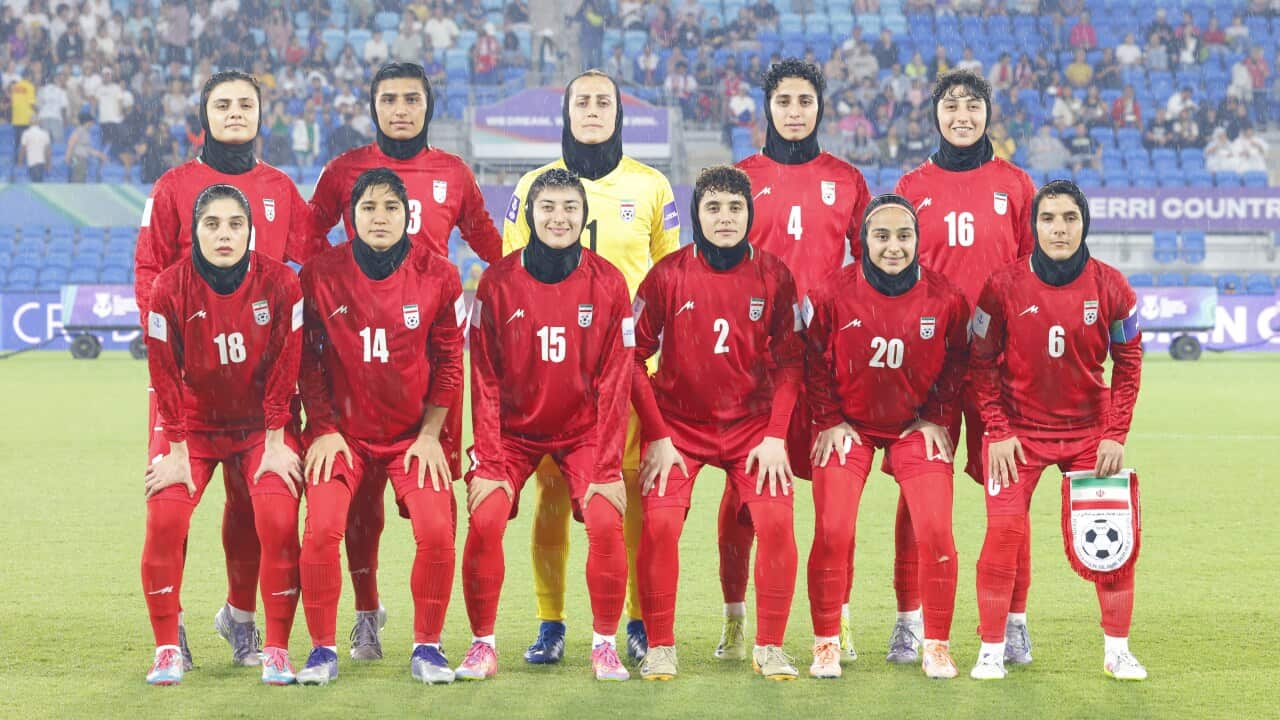
The Iranian women’s national football team is currently seeking protection and potential asylum in Australia following the conclusion of their Women’s Asian Cup campaign in March 2026. Players and advocacy groups have expressed grave fears regarding their safety, including the threat of imprisonment or death, should they return to Iran. The Australian government is under increasing pressure to provide a pathway for the athletes to remain in the country.
TL;DR
- The Iranian women's football team is facing life-threatening risks if they return to Iran after competing in Australia.
- Opposition politicians and human rights advocates are urging the Australian government to grant the team asylum or extended visas.
- Foreign Minister Penny Wong has stated Australia stands in solidarity with the players but has not confirmed specific visa outcomes.
- The situation highlights the intersection of international sport, human rights, and geopolitical tensions.
What Happened
During the Women’s Asian Cup held in Australia in early March 2026, members of the Iranian national team signaled that they could not safely return to their home country. Players, including forward Sara Didar, became visibly emotional during press conferences when questioned about the domestic situation in Iran and the risks facing female athletes. Reports emerged indicating that the squad members face the possibility of execution or long-term imprisonment due to their participation in the international tournament and perceived defiance of strict domestic codes.
As the team's final scheduled match concluded, the focus shifted from the pitch to the administrative halls of Canberra. Advocacy groups and legal representatives for the players formally requested that the Australian government intervene to prevent their deportation. The players expressed specific concerns not only for their own lives but for the safety of their families remaining in Iran, who could face state-sanctioned retribution.
Key Developments
Shadow Assistant Minister for Foreign Affairs Julian Leeser has led calls for the Labor government to offer immediate asylum to the team. Meanwhile, Foreign Minister Penny Wong confirmed that the Australian government is aware of the "impossible situation" the women face and stated that Australia stands in solidarity with them. However, the Department of Home Affairs has maintained a public stance that there will be no "preferential treatment" for the athletes, insisting that all protection claims must follow established legal processes.
International human rights organizations have joined the call for protection, citing the specific dangers female athletes face under the current Iranian regime. Detailed reports have surfaced regarding the team's internal deliberations, with many players reportedly terrified of the transition from the high-profile environment of the Asian Cup back to the oversight of Iranian authorities.
Why This Matters
The outcome of this situation carries significant implications for international sports diplomacy and refugee policy. If the players are forced to return, it could set a precedent regarding the safety of athletes from high-risk nations competing in global tournaments. Conversely, a decision to grant asylum would impact Australia’s diplomatic relationship with Iran. The case serves as a critical test of Australia's commitment to human rights in the context of international sporting events and its ability to act with urgency in humanitarian crises.
What Happens Next
The Australian government is expected to review the individual protection visa applications submitted by the players and coaching staff in the coming days. Legal advocates are pushing for a bridging visa arrangement that would allow the team to remain in Australia while their cases are processed. No fixed date has been set for a final decision, but the team’s current visas are nearing expiration, necessitating a rapid response from the Department of Home Affairs.
FAQ
Why is the Iranian women’s team afraid to return to Iran?
The players face potential charges of "corruption on earth" or national security violations, which can carry penalties of death or life imprisonment. These threats stem from their participation in international media and perceived support for domestic protest movements during their time in Australia in March 2026.
What has the Australian government said about the asylum requests?
Foreign Minister Penny Wong expressed solidarity with the team on March 7, 2026, but the government has officially stated that no preferential treatment will be given. This means the players must undergo the standard, rigorous assessment for protection visas required by Australian law.
Who is leading the push for the players to stay?
Liberal MP Julian Leeser and various human rights advocates have been the primary voices urging the Albanese government to act. They argue that the extraordinary risks faced by the 23-player squad justify an immediate and compassionate intervention.
How did the players express their concerns?
During a Women's Asian Cup press conference, player Sara Didar held back tears while discussing the safety of her family. This public display of distress alerted international observers to the team's fear regarding their mandatory return to Iran after the tournament.
Will the players be deported immediately?
Currently, legal representatives are working to secure bridging visas to prevent any immediate deportation. As of March 8, 2026, the team remains in Australia while their status is being debated by federal authorities.



/https%3A%2F%2Fsportsmole-media-prod.s3.gra.io.cloud.ovh.net%2Fuploads%2F2025%2F11%2Frosier-692c9a49860df110291449.jpg)