2026 Vernal Equinox and First Day of Spring Trend Summary
The 2026 spring equinox occurs across Canada on Friday, March 20, marking the official astronomical start of the season. This celestial event features the sun crossing the celestial equator from south to north, resulting in nearly equal parts day and night. Canadians are preparing for the shift as daylight hours continue to increase following the winter months.
TL;DR
- Spring officially begins in the Northern Hemisphere on March 20, 2026.
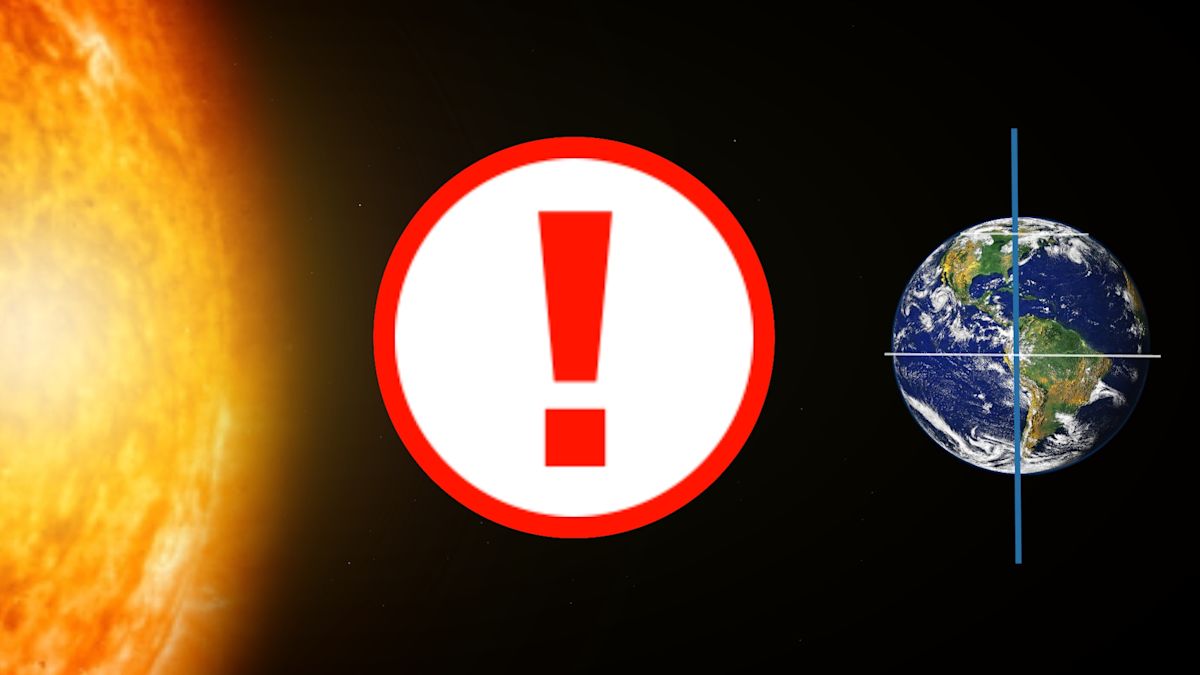
- The equinox occurs when the sun is positioned directly above the Earth’s equator.
- Most locations will experience roughly 12 hours of daylight and 12 hours of darkness.
- The event signals the transition toward longer days and warmer seasonal temperatures.
What Happened
Astronomically, the spring equinox—also known as the vernal equinox—arrives when the Earth’s axis is tilted neither toward nor away from the sun. In 2026, this specific alignment occurs on March 20. During this window, the sun rises exactly in the east and sets exactly in the west for almost everyone on Earth. While many associate the date with the arrival of warmer weather, it is strictly defined by the Earth's orbit and tilt relative to the sun.
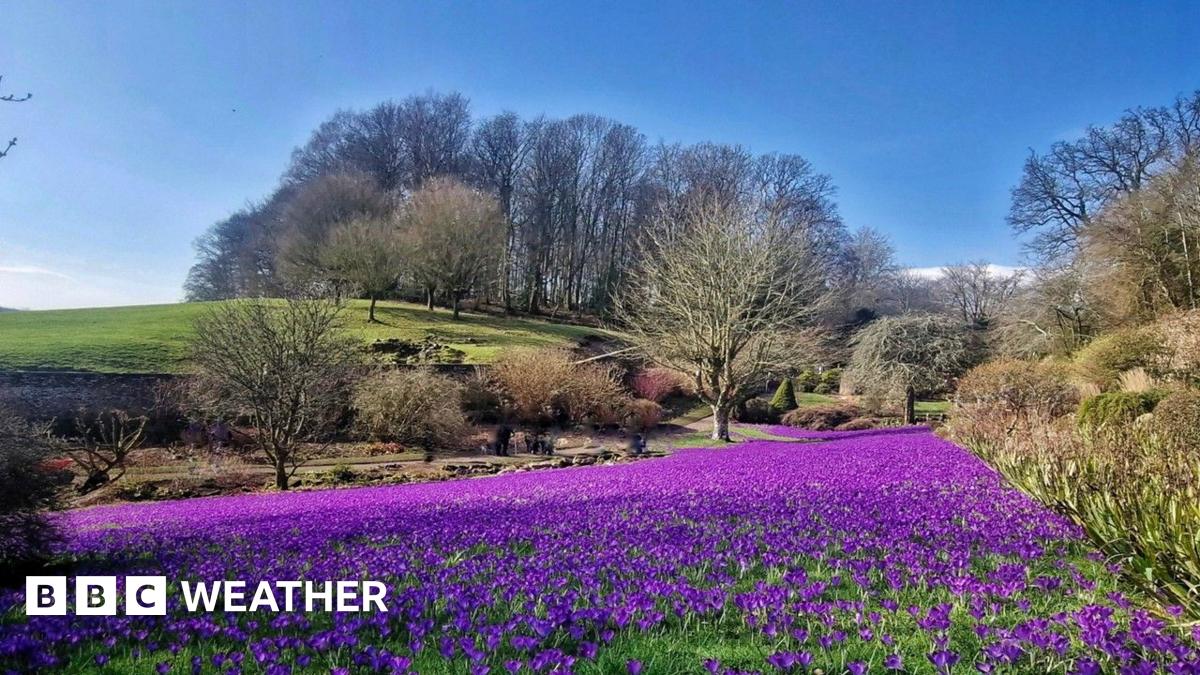
In Canada, the exact timing of the equinox varies by time zone, typically landing in the late afternoon or evening. Despite the astronomical designation, meteorological spring actually began on March 1, as meteorologists use the calendar months to track annual temperature cycles. The equinox itself is the point where the Northern Hemisphere begins to tilt more toward the sun, leading to spring fever as residents observe the first signs of budding flora and migrating birds.
Key Developments
Recent data clarifies a common misconception regarding the "equal" length of day and night. Due to atmospheric refraction, which bends sunlight around the curve of the Earth, most places actually see slightly more than 12 hours of light on the day of the equinox. This phenomenon, known as the equilux, typically occurs a few days before the actual vernal equinox.
In various regions, including California and parts of Western Canada, unseasonably warm temperatures in mid-March have led to early blooms, though experts warn that the equinox does not guarantee the end of frost. For those interested in the precise local timing of the sunset, you can check local daylight schedules to see how much bonus light your city receives.
Why This Matters
The equinox is more than just a calendar marker; it carries significant cultural and biological weight. It determines the date of various holidays and festivals globally. Biologically, the increase in daylight triggers hormonal changes in wildlife and growth cycles in plants. In the Northern Hemisphere, daylight will continue to increase daily until the summer solstice in June, impacting energy consumption, agricultural schedules, and public mood.
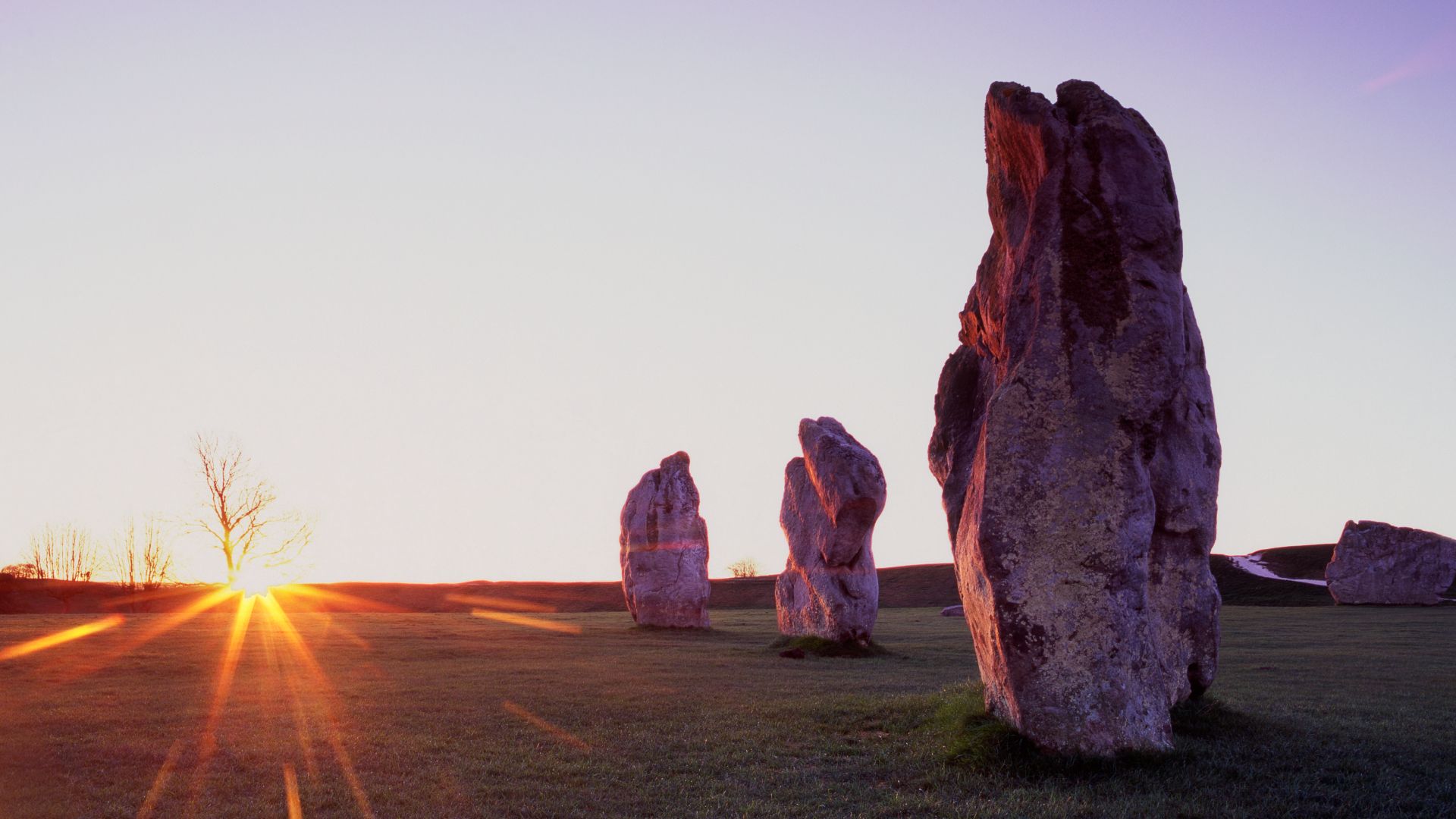
The equinox myth suggests day and night are perfectly equal, but refraction actually gives us a few extra minutes of sun.
What Happens Next
Following the equinox on March 20, the Northern Hemisphere will continue to experience earlier sunrises and later sunsets. The next major astronomical milestone is the Summer Solstice, scheduled for June 21, 2026, which will be the longest day of the year. Communities across Canada will begin seasonal transitions, such as opening public parks and transitioning to spring maintenance schedules.
Key Terms & Concepts
- Vernal Equinox
- The moment in spring when the sun crosses the celestial equator, making day and night approximately equal in length.
- Atmospheric Refraction
- The deviation of light from a straight line as it passes through the atmosphere, causing the sun to appear above the horizon before it actually is.
- Equilux
- The specific day when day and night are exactly 12 hours each, usually occurring a few days before or after the equinox.
Frequently Asked Questions
What is the exact date of the first day of spring 2026?
The first day of spring, or the vernal equinox, falls on Friday, March 20, 2026. This date is determined by the Earth's astronomical position relative to the sun.
Is day and night exactly equal on the equinox?
Not exactly. Due to atmospheric refraction and the way sunset is measured, most locations see slightly more than 12 hours of daylight on March 20.
Why does the date of the equinox change?
The equinox can fall on March 19, 20, or 21 because the Earth takes approximately 365.25 days to orbit the sun, while our calendar uses 365 days.
What is the difference between meteorological and astronomical spring?
Meteorological spring began on March 1 based on annual temperature cycles, while astronomical spring begins on March 20 based on the Earth's tilt.

Resources
Sources and references cited in this article.