Spain PM Pedro Sánchez Rejects Trump Trade Threats Over Iran War Stance
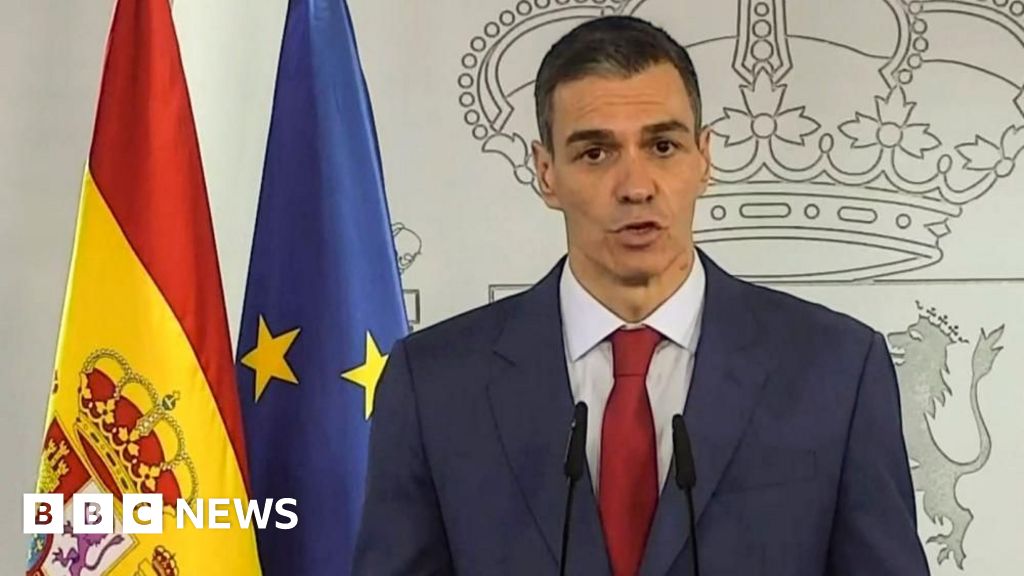
Spanish Prime Minister Pedro Sánchez has rejected President Trump's threat to sever trade relations, standing firm on Spain's refusal to support military operations against Iran or grant base access for strikes.
Spain PM Pedro Sánchez Rejects Trump Trade Threats Over Iran War Stance
Spanish Prime Minister Pedro Sánchez formally rejected U.S. President Donald Trump's threats to sever bilateral trade on March 4, 2026. The diplomatic friction follows Spain's refusal to support military actions against Iran and its decision to limit U.S. access to military bases for such operations. Sánchez emphasized a policy of "no to war" despite the potential for significant economic repercussions.
TL;DR
Prime Minister Sánchez rejected U.S. trade threats while maintaining a non-interventionist stance on Iran.
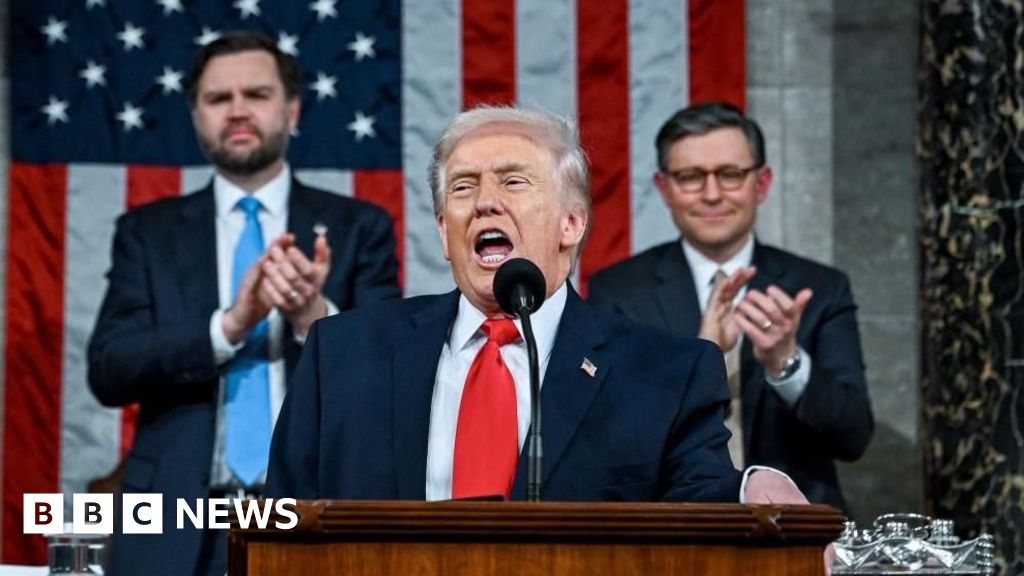
President Trump threatened to cut off all trade with Spain due to restricted military base access.
Spain faces potential economic isolation from its primary non-EU trading partner.
The dispute signals a significant rift within NATO regarding Middle East military strategy.
What Happened
On March 4, 2026, Spanish Prime Minister Pedro Sánchez addressed the Spanish Parliament to respond to public statements made by U.S. President Donald Trump. The U.S. President had earlier declared an intention to terminate all trade relations with Spain, citing the country's refusal to allow U.S. forces to use the Rota and Morón de la Frontera airbases for strikes against Iran. Sánchez countered by stating that Spain would not participate in or facilitate a conflict in the Middle East. This escalation follows several weeks of tension where Spain joined the United Kingdom in expressing public opposition to renewed military engagement in the region.
Key Developments
President Trump explicitly stated that the United States would "cut off all trade" if Spain continued to block military logistics. Following this, German Chancellor Friedrich Merz held meetings at the White House, where the U.S. stance on European allies was a primary focus. The Spanish government expressed "surprise" at the nature of these discussions and the public delivery of the ultimatum. Additionally, Spain has maintained its ban on the shipment of military hardware through its territory destined for the conflict zone.
Why This Matters
Spain is a strategic hub for U.S. military operations in the Mediterranean and Africa, making the base restrictions a logistical challenge for the Pentagon. The threat to sever trade puts over $30 billion in annual bilateral exchange at risk, impacting sectors from aerospace to agriculture. This dispute represents a rare instance of a NATO ally publicly defying U.S. military directives in exchange for domestic policy alignment on peace.
What Happens Next
Spanish officials are scheduled to meet with European Union trade representatives to discuss potential mitigation strategies against U.S. tariffs or embargoes. The U.S. administration has not yet set a formal deadline for the trade cessation, but further statements are expected following the next NATO summit. The Spanish Parliament will vote on a formal resolution regarding foreign military base usage later this month.
FAQ
Why did Trump threaten to cut trade with Spain?
President Trump issued the threat because Spain refused to allow U.S. military forces to use Spanish bases, such as Rota, for operations against Iran. He stated the U.S. would not trade with allies that do not support its military objectives.
What was Pedro Sánchez's response to the threat?
Prime Minister Sánchez responded with a firm "no to war," stating that Spain's foreign policy is dictated by peace and international law rather than trade pressure. He confirmed Spain would not change its stance on the Iran conflict.
Which Spanish military bases are involved in the dispute?
The dispute centers on the Rota Naval Base and the Morón Air Base. These installations are used by U.S. forces under a long-standing bilateral defense agreement that Spain is currently restricting.
Is the United Kingdom also involved in this trade dispute?
Yes, President Trump also expressed dissatisfaction with the U.K. for its stance on Iran. However, the specific threat to cut off "all trade" was directed explicitly toward Spain during his most recent address.
How much trade exists between the U.S. and Spain?
Bilateral trade between the two nations exceeded $35 billion in the previous fiscal year. Key exports from Spain to the U.S. include machinery, olive oil, and pharmaceutical products.