Middle East Crisis Trend Summary: Iran's Intelligence Minister Esmail Khatib Killed
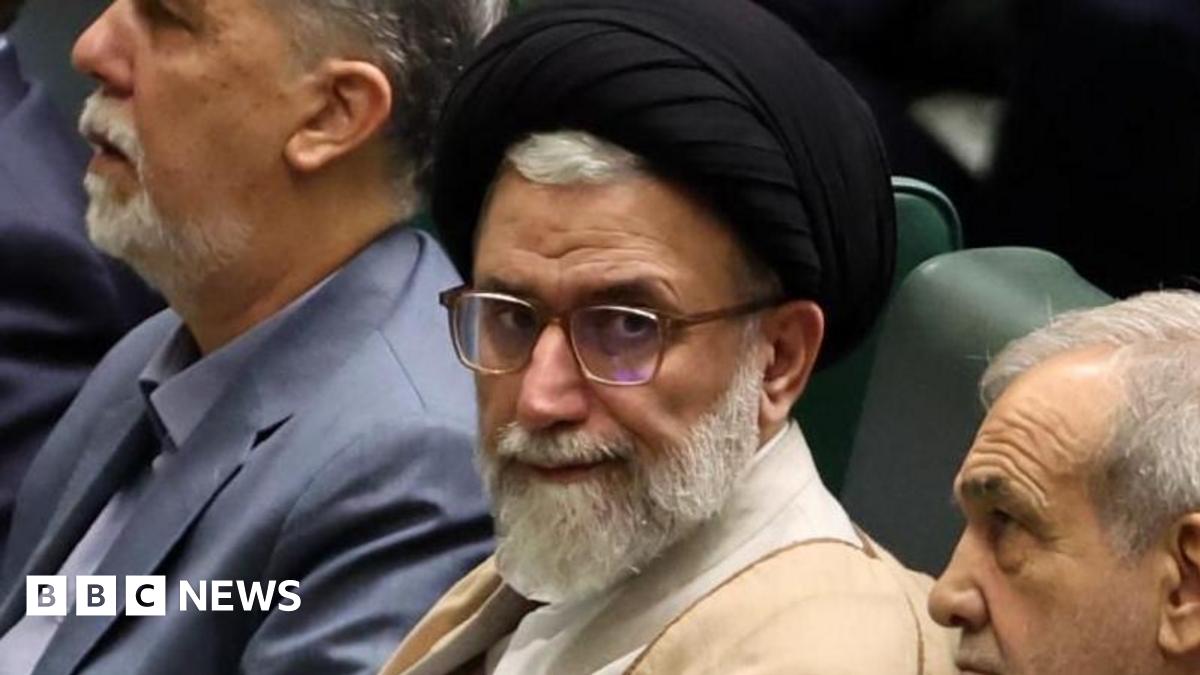
Israel has killed Iran's intelligence minister, Esmail Khatib, in an overnight military strike that has sent shockwaves across the Middle East. The targeted assassination occurred amid an escalating regional crisis, prompting immediate vows of revenge from Tehran. Following the strike, the conflict rapidly expanded with concurrent Israeli operations in Lebanon and defensive interceptions over the United Arab Emirates.
TL;DR
- Israel killed Iranian Intelligence Minister Esmail Khatib in an overnight strike.
- Tehran officially vowed severe revenge for the assassination of its security chief.
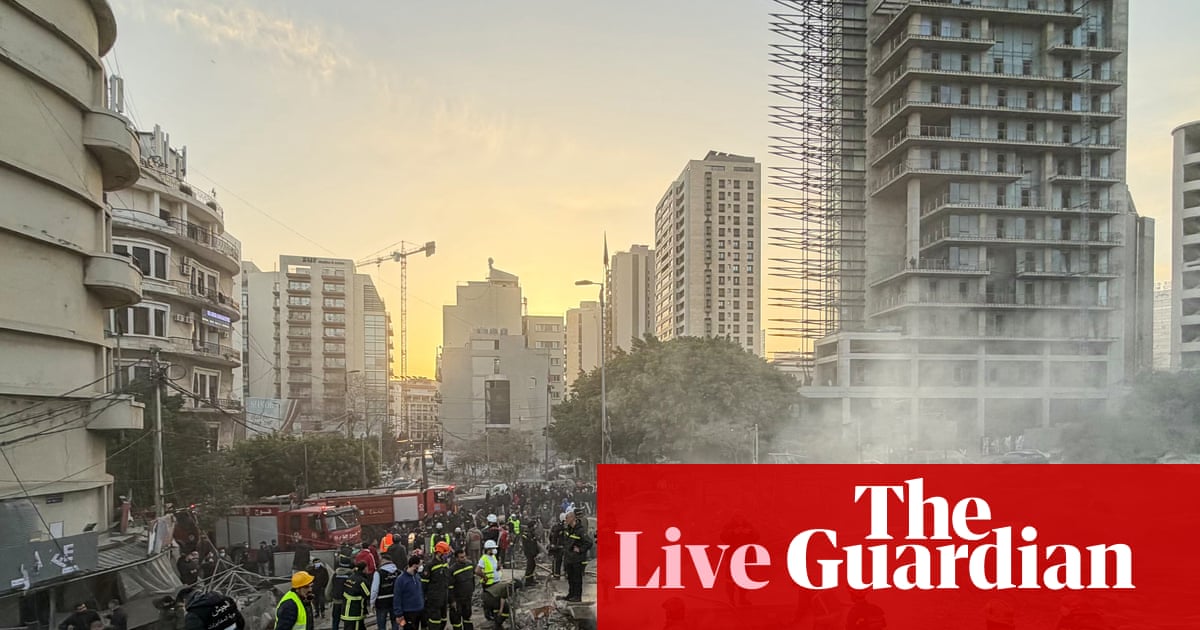
- Israeli forces launched concurrent military strikes on central Beirut.
- Defense systems in Dubai successfully intercepted and shot down incoming missiles.
What Happened
Israel carried out a highly coordinated overnight military operation resulting in the death of Iran's intelligence minister, Esmail Khatib. Following the immediate confirmation of his death, Tehran declared its unequivocal intention to avenge the fallen security chief. Concurrently, the Israeli military expanded its tactical operations by launching direct strikes on central Beirut in Lebanon. The conflict swiftly spilled over across the region, with defense forces in Dubai being forced to shoot down incoming missiles threatening their airspace. At least two individuals were reported killed in related incidents in Israel, marking a severe escalation in the ongoing regional war.
Key Developments
The geopolitical situation developed rapidly following the initial assassination announcement. Tehran immediately began official mourning periods for multiple key figures, invoking the memory of past military leaders like Qasem Soleimani and mourning Larijani alongside Khatib. The international community, including political figures in the US and officials in the UK, began closely monitoring the heavily contested Strait of Hormuz for potential retaliatory blockades.
We vow revenge for the killing of our security chief.
Why This Matters
The elimination of Esmail Khatib removes a central figure in Iran's intelligence apparatus, significantly destabilizing the region's delicate security balance. The immediate interception of missiles over Dubai demonstrates that the conflict is no longer contained to Israel, Lebanon, and Iran, but is actively threatening broader Gulf security. With global oil prices tied heavily to the Strait of Hormuz, any disruption could severely impact international financial markets. The writing is on the wall for a much wider confrontation if diplomatic interventions fail to de-escalate the current military exchanges.

What Happens Next
Global defense forces are bracing for Iran's promised retaliatory military strikes against Israeli or allied regional targets. Authorities in Dubai and the wider UAE will maintain heightened air defense readiness to intercept further stray or targeted missiles. Meanwhile, international shipping companies are urgently reassessing their navigation routes through the Strait of Hormuz to avoid potential crossfire.
Key Terms & Concepts
- Strait of Hormuz
- A highly strategic waterway linking the Middle East to the open ocean, critical for the global transportation of oil and natural gas.
- Intelligence Minister
- A senior government official responsible for overseeing national security, foreign espionage, and internal stability operations.
Frequently Asked Questions
What happened to Iran's intelligence minister?
Iran's intelligence minister, Esmail Khatib, was killed in an overnight military strike conducted by Israel. Tehran has responded by officially vowing revenge for the death of their security chief.
Why did Dubai shoot down missiles?
As the conflict escalated rapidly following the assassination, incoming missiles were intercepted and shot down over Dubai. This indicates a concerning widening of the regional crisis beyond Israel and Iran.
Where else did Israel launch military strikes?
Alongside the targeted operation that killed Esmail Khatib, Israel also launched heavy military strikes targeting central Beirut in Lebanon. These multi-front operations have heightened global fears of an all-out war.
How will the assassination impact the Strait of Hormuz?
The escalating conflict raises significant concerns about the security of the Strait of Hormuz, a critical global shipping route. International leaders from the US and UK are monitoring the area closely for potential retaliatory blockades by Iranian forces.

Resources
Sources and references cited in this article.