Arsenal Piero Hincapie Transfer Summary: Bayer Leverkusen Chief Confirms Summer Move
Arsenal have reportedly secured a major breakthrough in their pursuit of Bayer Leverkusen defender Piero Hincapie, with the club appearing to confirm a summer transfer. The 24-year-old Ecuador international is set to become the first major signing for Mikel Arteta in the upcoming window. This development comes as Leverkusen sporting director Simon Rolfes acknowledged the player’s likely departure after years of service to the German champions.
TL;DR
- Arsenal have reportedly reached a 'gentleman’s agreement' to sign Piero Hincapie from Bayer Leverkusen.
- Leverkusen chief Simon Rolfes has effectively confirmed the defender will be allowed to leave this summer.
- The deal is expected to cost approximately £50 million, with Tottenham Hotspur effectively ruled out of the race.
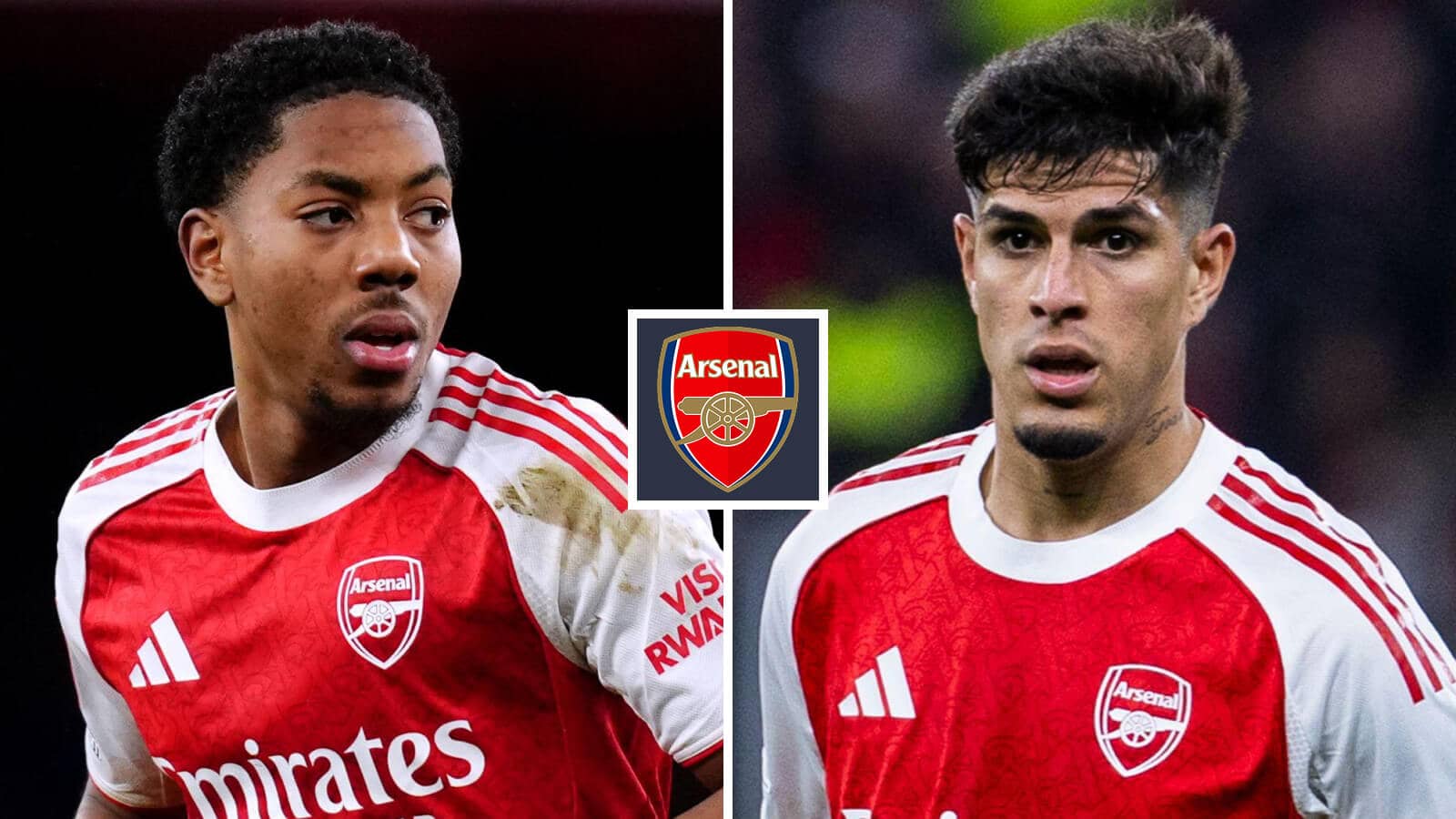
- Hincapie’s arrival may trigger the departure of academy graduate Myles Lewis-Skelly to balance the squad.
What Happened
During the week of March 17, 2026, Bayer Leverkusen sporting director Simon Rolfes provided a significant update regarding Piero Hincapie's future, stating that the club would not stand in the way of the defender seeking a new challenge. Arsenal have moved swiftly to capitalize on this stance, reportedly finalizing the core details of a transfer that has been in the works since the previous year. Transfer expert Fabrizio Romano has identified Hincapie as Arsenal's 'first' summer signing, noting that a 'gentleman’s agreement' was pivotal in securing the player over local rivals.

The deal was accelerated after it became clear that Tottenham Hotspur, who were also monitoring the situation, would not be pursuing the £50 million-rated star. This absence of a bidding war has allowed Arsenal director Andrea Berta to focus on finalizing personal terms with the Ecuadorian. Leverkusen’s willingness to sell stems from their internal policy of allowing players to move on after four successful seasons, provided their valuation is met.

Resources
Sources and references cited in this article.