Tony Blair and Keir Starmer Clash Over UK Response to Trump Iran Strikes: Trend Summary
Former Prime Minister Tony Blair has sparked a significant political row in the United Kingdom by publicly stating that the British government should have supported Donald Trump’s recent military strikes against Iran. Home Secretary Yvette Cooper and Foreign Secretary David Lammy have rejected these calls, defending the current administration's decision to maintain a distinct diplomatic path. The disagreement highlights a growing rift between the New Labour era and the current government's approach to Middle Eastern intervention.
TL;DR
- Tony Blair urged the UK to back Donald Trump's military action against Iran.
- The UK government officially rejected Blair's stance, prioritizing a "cool-headed" approach.
- Foreign Secretary David Lammy stated the government is learning lessons from the Iraq War.
- The disagreement marks a public split between former and current Labour leadership on foreign policy.
What Happened
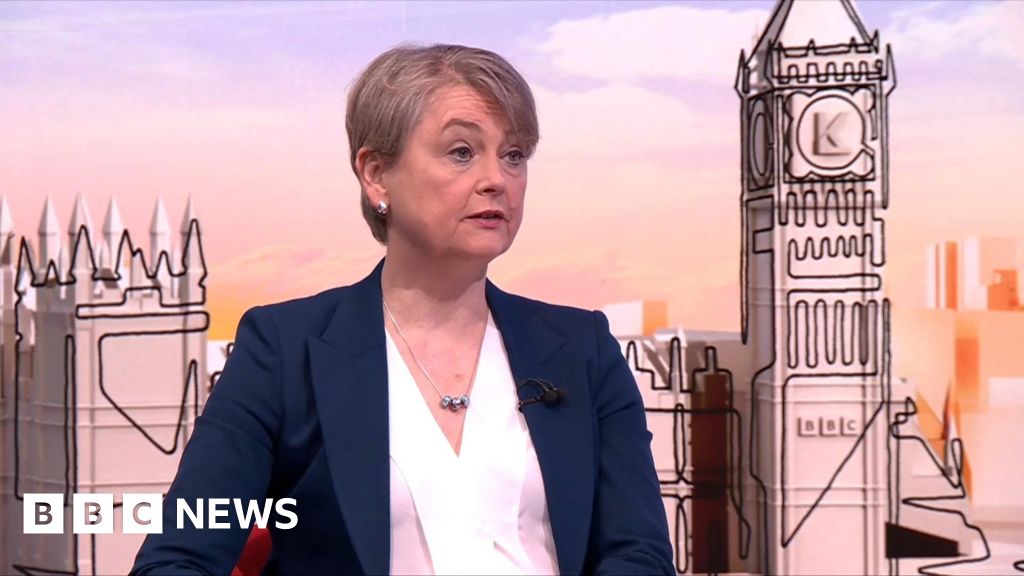
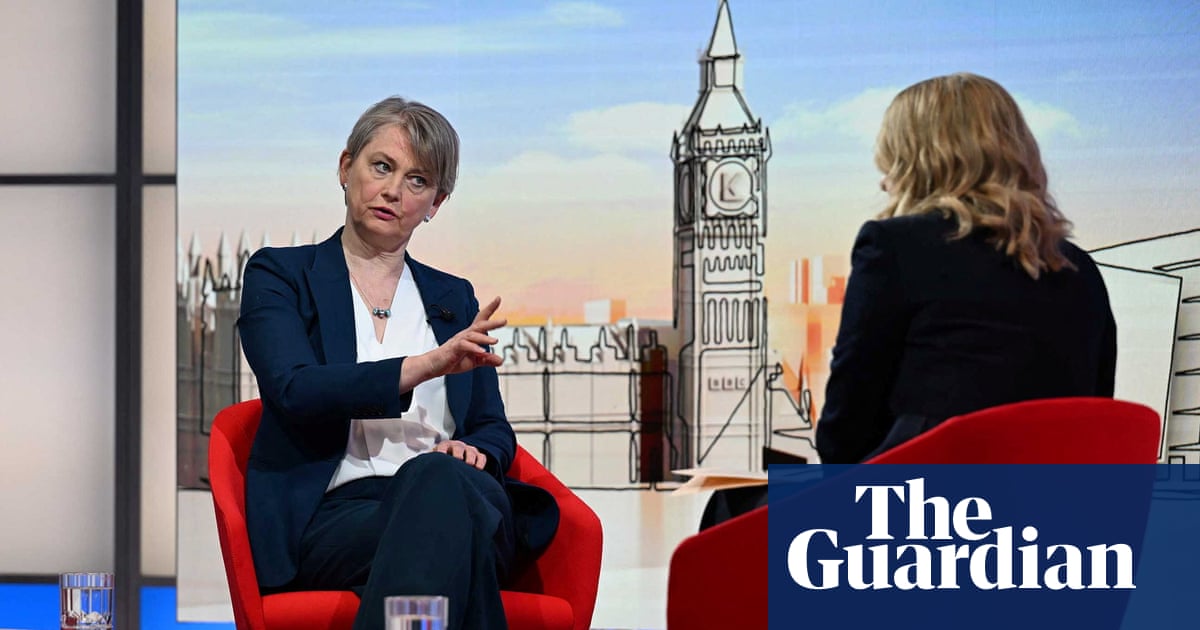
On March 8, 2026, former Prime Minister Tony Blair suggested that the United Kingdom should have provided military or diplomatic backing for the United States' strikes against targets in Iran. This intervention immediately triggered a response from senior members of Keir Starmer's cabinet. During an appearance on "Sunday with Laura Kuenssberg," Home Secretary Yvette Cooper stated that while the UK remains a close ally of the US, it does not agree with President Trump on every issue. She described the UK's current strategy as a "cool-headed approach" focused on de-escalation rather than direct military alignment. Simultaneously, Foreign Secretary David Lammy defended Prime Minister Keir Starmer’s refusal to join the strikes, suggesting that the current administration is intentionally applying lessons learned from the 2003 Iraq War to avoid unnecessary conflict.
Key Developments
The row intensified as the Foreign Secretary explicitly linked the current cautious stance to the historical fallout of previous Middle East interventions. Official confirmations from the Home Office clarified that the UK intends to maintain its own independent assessment of security threats in the region. While Donald Trump has criticized the UK for its lack of involvement, Keir Starmer has remained firm in his position. Government representatives have confirmed that there are no current plans to change the UK's military posture regarding Iran, despite the pressure from the former Prime Minister and the White House. The debate has moved from internal policy discussions to a high-profile public dispute involving the nation's most senior diplomatic and security officials.
Why This Matters
This development is factually significant because it defines the limits of the UK-US "special relationship" under the current administration. It signals a shift in Labour party foreign policy, moving away from the interventionist doctrines of the early 2000s toward a more restrained diplomatic framework. The refusal to back the strikes impacts the UK's standing within the international community, particularly regarding its influence on Middle Eastern stability and its relationship with other European allies who favor de-escalation. Furthermore, the public nature of Blair’s rebuke of Starmer creates a visible division in the British political landscape concerning national security strategy.
What Happens Next
Prime Minister Keir Starmer is expected to face further questioning in Parliament regarding the UK's long-term strategy for Iranian relations. Diplomatic meetings between UK and US officials are scheduled to continue to manage the fallout of the differing military perspectives. No further military strikes involving UK assets have been authorized, and the government will continue to prioritize diplomatic channels through the United Nations and regional partners.
FAQ
What did Tony Blair say about the Iran strikes?
Tony Blair stated that the UK should have supported Donald Trump’s military strikes against Iran to maintain a unified front with the United States. His remarks on March 8, 2026, sparked a debate over the UK's current foreign policy direction.
How did Yvette Cooper respond to Blair's remarks?
Home Secretary Yvette Cooper rejected Blair's call during a BBC interview, stating that the UK does not agree with Trump on every issue. She emphasized that the UK is taking a "cool-headed" and independent approach to the situation.
What did David Lammy say about the Iraq War?
Foreign Secretary David Lammy stated that Keir Starmer is "learning lessons from Iraq" in his handling of the current Iran crisis. This refers to the 2003 conflict where the UK joined the US in a military intervention that remains highly controversial.
Why is the UK not participating in the strikes?
The UK government has cited a preference for de-escalation and an independent assessment of regional security. Cabinet members have consistently argued that following the US into every military action is not in the UK's current strategic interest.
Is there a split between Blair and Starmer?
Yes, the two leaders have taken opposing public stances on military involvement in Iran. While Blair advocates for alignment with Trump's strikes, Starmer has maintained a policy of non-intervention and diplomatic restraint.



-copy.jpeg?crop=2047.5,1365,x0.3,y0&trim=0,0,0,0&width=1200)