
Airlines Hike Revenue Forecasts Amid Rising Jet Fuel Costs: A US Trend Summary
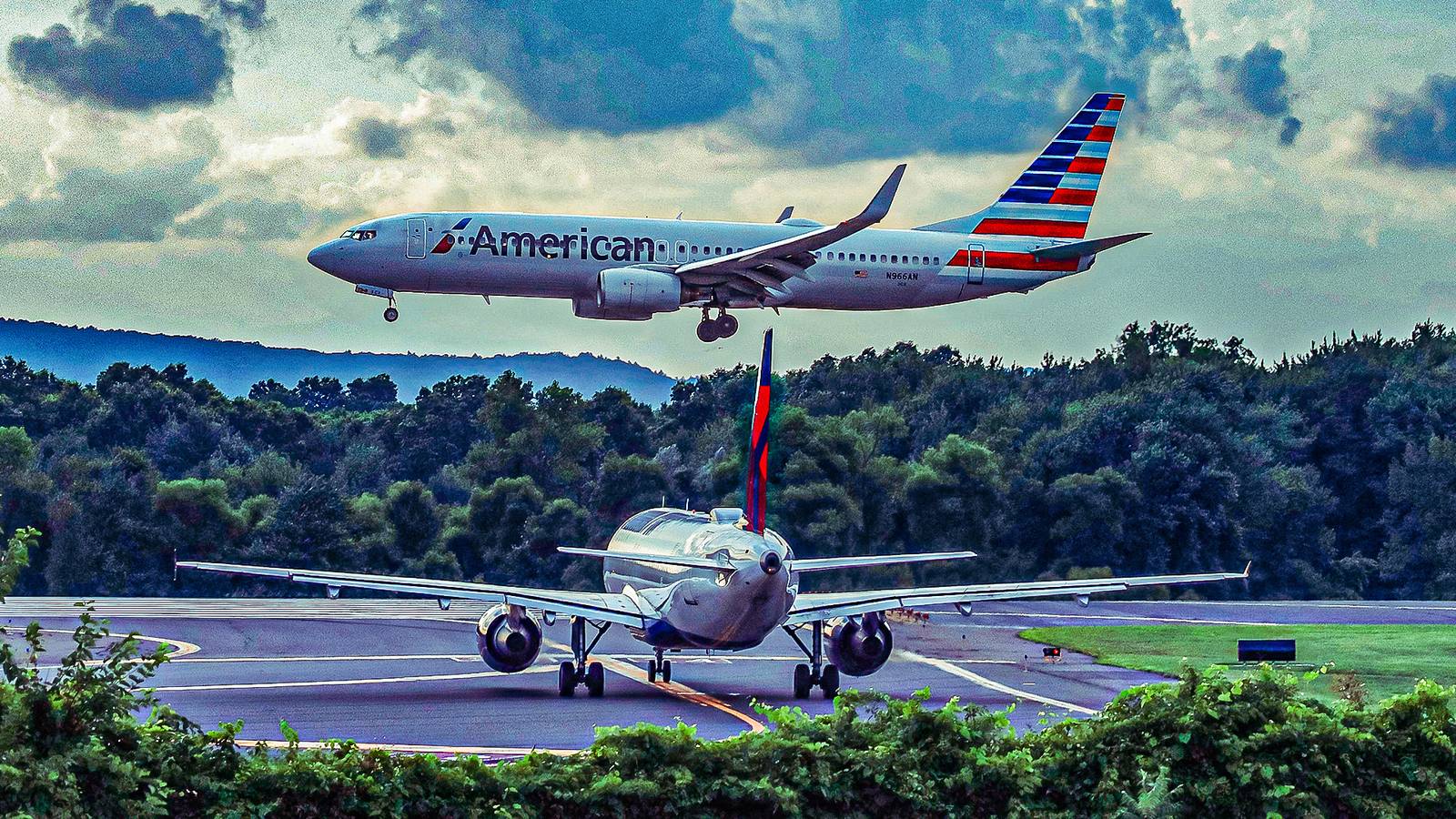
Major US carriers, including Delta Air Lines and American Airlines, raised their financial guidance on March 17, 2026, despite a significant surge in jet fuel prices driven by international conflict. A robust increase in travel demand and early bookings has allowed airlines to offset the higher operational costs. Travelers are continuing to lock in fares at higher rates, signaling a resilient market for the spring and summer seasons.

TL;DR
- Major US airlines increased their revenue guidance due to surging passenger demand.
- Jet fuel costs have risen sharply, with some carriers facing hits of up to $400 million.
- Airfares are climbing, yet booking volumes remain at record or near-record levels.
- The industry remains profitable as travelers prioritize trips despite economic and geopolitical pressures.
What Happened
On March 17, 2026, American Airlines and Delta Air Lines issued updated financial outlooks to investors, reporting that revenue growth is outpacing the sharp rise in energy expenses. This development comes as the global oil market reacts to the ongoing Iran-Israel war, which has caused jet fuel prices to spike unexpectedly. Despite these costs, Delta Air Lines reported that its domestic and international bookings remain incredibly strong, allowing the company to maintain high load factors.
American Airlines specifically noted that it expects total revenue per available seat mile (TRASM) to be higher than previously forecasted for the first quarter of 2026. The carrier is managing a fuel price increase that has reached nearly $0.30 to $0.40 per gallon above prior estimates. To track these updates directly, investors and the public can view official disclosures on the SEC EDGAR database for detailed quarterly filings.
Key Developments
The financial impact of the fuel surge is substantial, with some estimates suggesting a combined $400 million hit to the bottom lines of major carriers this quarter. However, the sheer volume of travelers has acted as a buffer. American Airlines expects its adjusted earnings per share to remain within or exceed the top end of its original $0.25 to $0.35 range. Delta similarly confirmed it is seeing no slowdown in corporate travel, which has finally returned to pre-pandemic levels in several key sectors.
Consumer demand is incredibly resilient, and we are seeing travelers lock in their summer plans earlier than ever before to avoid further price hikes.
The airlines have also noted a shift in consumer behavior where passengers are opting for premium cabins at a higher rate. This trend has contributed to the increased revenue guidance, as premium seats offer higher margins that help absorb the 15% to 20% jump in fuel expenses seen over the last month.
Why This Matters
The ability of airlines to raise guidance in the face of a war-driven oil shock suggests a decoupling of travel intent from traditional economic pressures. For the broader economy, this indicates that consumer spending on services and experiences remains a priority. Furthermore, the stock market responded positively, with airline shares seeing a collective rise of over 4% following the announcements, signaling investor confidence in the sector's ability to manage volatility.
What Happens Next
Investors will be closely watching the upcoming formal quarterly earnings calls scheduled for mid-April 2026. Airlines are expected to provide more concrete data on summer seat capacity and whether they intend to further reduce flight schedules to keep fuel consumption in check. If oil prices continue to hover above $100 per barrel, industry experts anticipate another round of airfare increases for flights booked for the second half of the year.
Key Terms & Concepts
- TRASM
- Total Revenue per Available Seat Mile; a primary metric used in the airline industry to measure the efficiency and financial performance of a carrier.
- Load Factor
- The percentage of available seating capacity that is filled by passengers; high load factors indicate better utilization of aircraft.
- Guidance
- A company's official prediction of its own near-term future earnings and revenue, typically provided to shareholders and analysts.
Frequently Asked Questions
Why are airfares going up in 2026?
Airfares are rising primarily due to increased jet fuel costs caused by the Iran-Israel war. Airlines are passing these higher operational expenses to consumers through ticket price adjustments.
Are people stopping travel because of high fuel prices?
No, major carriers like Delta and American report that bookings remain at record levels. Travelers are currently prioritizing trips and locking in fares early to avoid future increases.
How much have fuel costs increased for airlines?
Recent reports indicate that airlines are facing a price increase of $0.30 to $0.40 per gallon. This results in a total financial hit of approximately $400 million for some major carriers this quarter.
What is the impact on airline stocks?
Despite the high costs, airline stocks rose by more than 4% on March 17. Investors are encouraged by the airlines' ability to maintain profitability through strong revenue growth.
When will we see the next update on airline prices?
Official quarterly earnings reports are expected in mid-April 2026. These reports will clarify if further fare hikes are necessary based on the stability of oil prices.

Resources
Sources and references cited in this article.