Rising Diesel Costs and the Economy: A 2026 Trend Summary
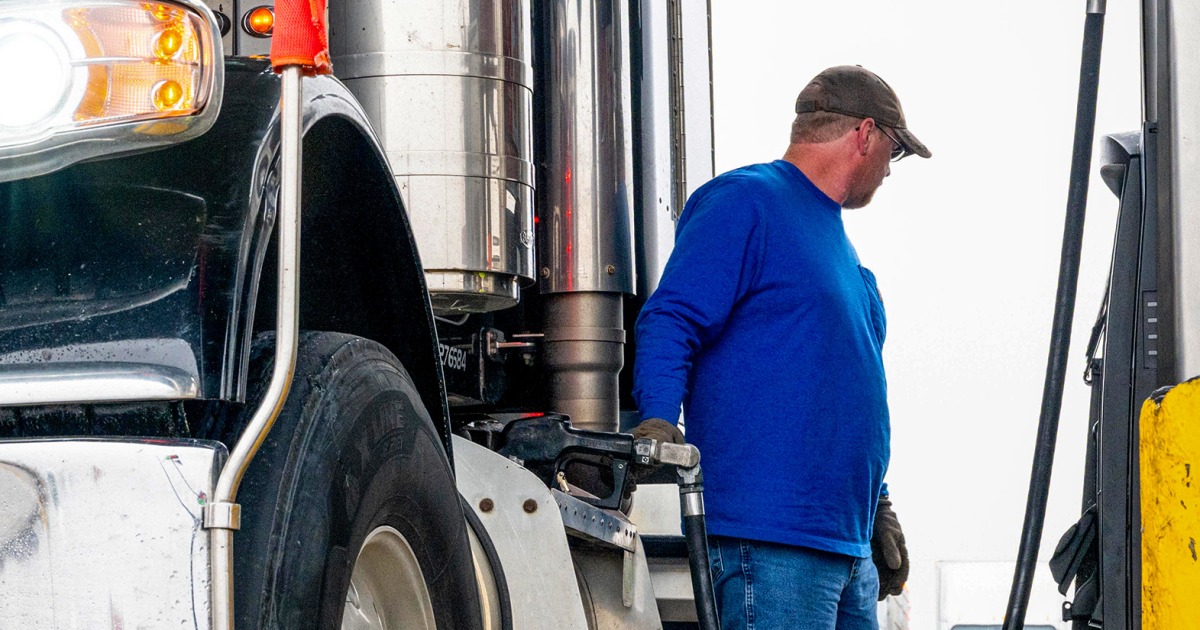
Diesel fuel prices across the United States surged past $5.00 per gallon this week, marking the highest levels recorded since 2022. The price spike stems from escalating geopolitical tensions following the outbreak of war in Iran, severely impacting the logistics and agricultural sectors. Economists warn that these rising overheads will lead to a direct hit on consumer prices for essential goods.Commercial transportation sectors face immediate financial pressure as diesel prices climb.TL;DRDiesel fuel has officially surpassed the $5.00 per gallon threshold nationwide.
What Happened
In mid-March 2026, the national average price for diesel fuel climbed significantly, crossing the $5.00 mark for the first time in nearly four years. This rapid escalation followed the start of the war in Iran, which disrupted global oil markets and sent crude futures soaring. In local markets, such as Farmington, trucking companies like Leonard's Express reported immediate challenges as they fought to manage the sudden increase in fuel expenditures. The price hike was not gradual; it moved past the $5 milestone within days of the conflict's escalation, forcing logistics providers to evaluate their existing contracts and fuel surcharges.

Key Developments
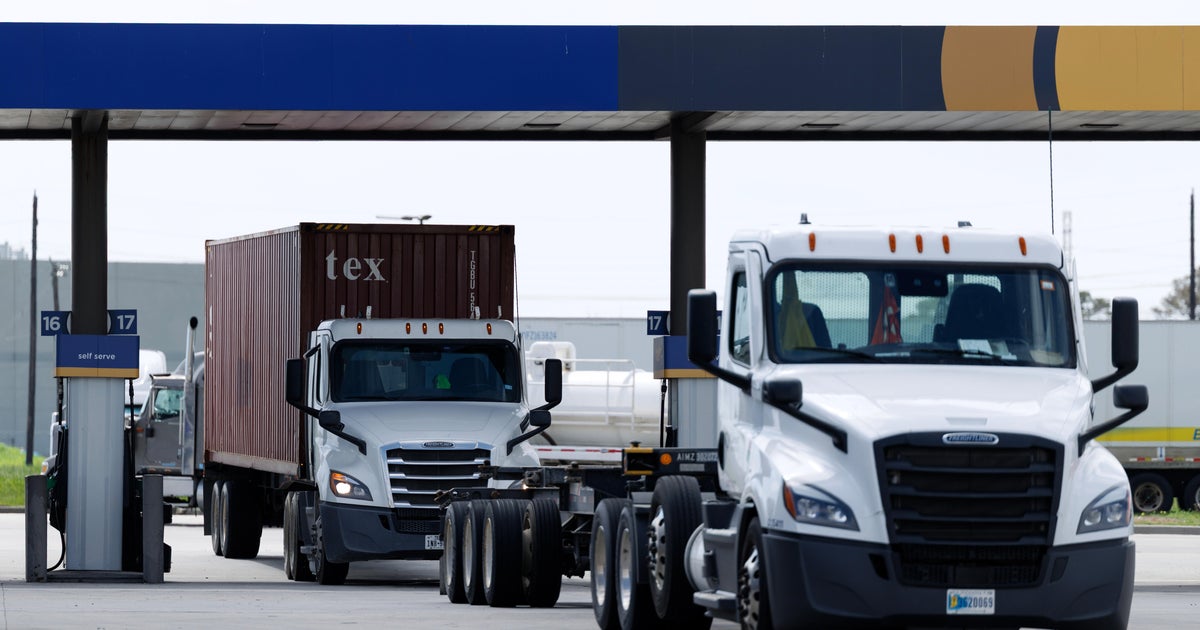
The impact of the $5.00 diesel benchmark is felt most acutely in the supply chain. Because diesel powers the majority of freight trains, delivery trucks, and farm equipment, the cost of moving goods has risen by double-digit percentages in some regions. Official data indicates that fuel typically accounts for approximately 20% to 30% of total operating costs for long-haul trucking firms. While many large carriers use fuel surcharges to offset these costs, smaller independent operators are finding it difficult to maintain profit margins without immediate rate adjustments. A direct hit for consumer prices.— NBC News Report, Business AnalysisWhy This MattersHigh diesel prices function as an invisible tax on the entire economy. Since nearly every physical product in the U.S. is transported via diesel-powered vehicles at some point, the increased cost of transport is passed on to the end user. Experts project that grocery prices will be the first to reflect this change, as agricultural operations rely heavily on diesel for tractors and harvesting machinery. Furthermore, the $5.00 mark is a psychological and financial barrier that often triggers wider inflationary trends across the retail and construction industries.
What Happens Next
Energy analysts are monitoring the situation in the Middle East to determine if prices will stabilize or continue toward record highs. Trucking companies are expected to implement higher freight shipping rates starting in the next billing cycle. Retailers have signaled that price adjustments for home delivery and heavy goods may take effect by early April 2026. Government agencies are also under pressure to consider temporary fuel tax holidays to alleviate the burden on the transportation sector.
Key Terms & Concepts
- Fuel Surcharge
- A fee added to the base shipping rate to cover the fluctuating cost of fuel, typically calculated based on a national average.
- Crude Oil Futures
- Financial contracts where buyers agree to purchase a specific amount of oil at a predetermined price on a future date.
Frequently Asked Questions
What is causing the current spike in diesel prices?
The primary driver is the war in Iran, which has disrupted global oil production and supply lines as of March 2026.
Why does diesel cost more than regular gasoline?
Diesel often costs more due to higher federal taxes, greater global demand for industrial use, and more intensive refining requirements for ultra-low sulfur standards.
How will $5.00 diesel affect my grocery bill?Since farmers use diesel for tractors and transporters use it for delivery, the added $5.00 per gallon cost is typically passed to consumers, raising the price of produce and milk.
When was the last time diesel was this expensive?
Diesel prices last reached these levels in 2022, following global supply chain disruptions and geopolitical conflicts at that time.
Are trucking companies going out of business?
Some smaller independent operators in places like Farmington are struggling to absorb the costs, though larger firms are using surcharges to stay afloat.

Resources
Sources and references cited in this article.