
On Ford factory floors and inside engineering rooms, the promise of automated inspection met a stubborn reality: cars still need people who know where problems hide. The automaker has brought in more than 350 experienced engineers after AI-driven quality tools failed to deliver the results Ford expected. The move does not mean Ford is walking away from artificial intelligence; it means the company is putting human judgment back into the system that trains it.
How Events Unfolded
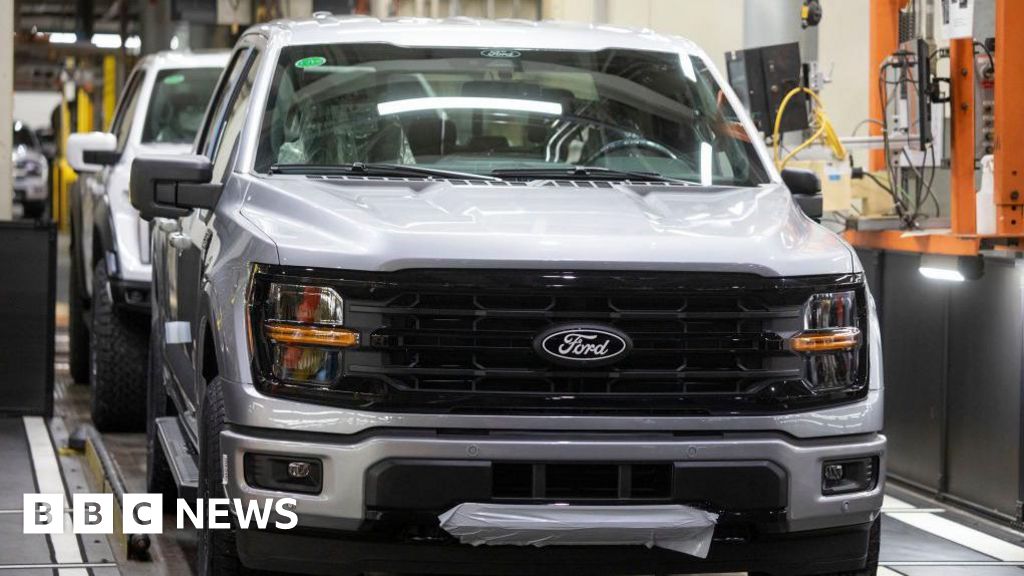
Ford adopted AI across parts of its operations, including quality checks, as automakers and investors pushed for faster, cheaper, more automated production. The company also deployed AI-powered cameras in plants to detect defects earlier in the process.
But executives later acknowledged that the technology could not match the practical judgment of veteran workers who had seen problems repeat across many vehicle programs. According to reports cited in the provided source material, Ford rehired or added more than 350 veteran engineers, including former Ford employees and workers from suppliers.
The company says those engineers are not simply replacing software. They are training younger employees, improving AI systems, and helping identify failure points before designs reach the plant floor. That matters because mistakes caught late can turn into warranty costs, recalls, and frustrated customers.
Ford also connected the shift to a broader quality push. The company said it reached No. 1 among mainstream brands in the latest J.D. Power Initial Quality Study, its first time at the top of that ranking in 16 years.
Digging Deeper
The issue was not that AI had no value. Ford’s own statement to Motor1 said AI is “a powerful tool for catching potential quality issues,” but only when paired with experienced people who understand how vehicles fail in real life.
That is the deeper lesson. AI systems depend on training data, and in manufacturing, some of the most valuable data sits inside the heads of engineers who have lived through product cycles, supplier issues, recalls, redesigns, and warranty claims. When that knowledge leaves before it is transferred, automation can miss the pattern a human expert would catch quickly.
Ford said it reorganized Vehicle Engineering, Manufacturing, Supply Chain and Quality under one leader, Kumar Galhotra, in 2023. The company described the change as a way to treat the vehicle lifecycle as one continuous flow, from software development to suppliers to plant operations.
The stakes are financial as well as technical. Fortune’s source material said recalls were costing Ford $4.8 billion per year by mid-2024, while other reports described billions in warranty and recall pressure. Better quality control can directly reduce those costs, which can affect pricing, dealer repairs, and owner satisfaction in the U.S.
What People Are Saying
Ford executives framed the reversal as a correction, not a retreat from automation.
Artificial intelligence is a fantastic tool, but it's only as good as the information you use to train it.
Poon also said Ford had not paid enough attention to engineers who had been through many product cycles. That admission is central: the missing piece was not raw computing power, but hard-earned context.
We had been relying more and more on automated quality systems and not getting the desired results.
Ford CEO Jim Farley has also linked the effort to cost savings, saying the returning engineers were contributing “hundreds and hundreds of millions of dollars of a tailwind for Ford on cost.” The company still plans to invest in AI, but with experienced people shaping how it is used.
Putting It in Perspective
Ford’s move lands in a larger workplace debate: how far companies can go in replacing human judgment with automation. CNBC’s source material cited other employers that walked back AI-related job cuts, including Commonwealth Bank of Australia and IBM, after automated systems could not handle all the work.

For car buyers, the impact is practical. Quality checks are not abstract back-office work; they shape whether a new vehicle arrives with fewer defects, fewer service visits, and fewer recalls. If veteran engineers help catch problems earlier, the benefit can show up in reliability and ownership costs.
For workers, the story is more complicated. The rehired engineers are proving that experience still has market value, but some sources also warn that their work may help train the systems that reduce future demand for similar roles. That tension is now part of the auto industry’s AI transition.
Looking Ahead
Ford says it will keep using AI in quality control while pairing it with engineering experience. The company has added a dedicated software quality assurance team and more than 100,000 AI-powered automated tests to catch edge cases during development.
The confirmed next step is continued integration: veteran engineers will keep mentoring newer workers, running reviews, and improving the data pipelines behind automated inspection tools. Ford’s challenge is to turn this into lasting quality gains, not a one-time rebound in rankings.
FAQ
Why did Ford rehire veteran engineers?
Ford brought in more than 350 experienced engineers because automated quality systems were not delivering the desired results. The engineers help find failure points, train younger staff, and improve AI tools.
Is Ford getting rid of AI quality checks?
No. Ford says it will continue using AI, including camera-based inspection and automated testing. The change is that human expertise is being used to guide and train those systems.
How did this affect Ford’s vehicle quality ranking?
Ford said it ranked No. 1 among mainstream brands in the latest J.D. Power Initial Quality Study, its first time reaching that position in 16 years.
What does this mean for Ford customers?
If the quality push works, customers could see fewer early defects, fewer recall-related headaches, and better reliability on newer vehicles. Ford has linked the effort to reducing warranty and recall costs.
What does this say about AI replacing workers?
Ford’s case shows that AI can struggle when companies remove experienced people too quickly. In complex work like vehicle engineering, automation still needs human judgment, training, and oversight.