
San Francisco’s housing surge matters beyond California because it shows how concentrated technology wealth can reshape an entire city’s market. Buyers tied to the artificial intelligence industry are competing for a limited supply of homes, pushing prices, rents and over-asking bids sharply higher. The result is a widening divide between households benefiting from AI equity and residents whose incomes have not risen at the same pace.
Context & Background
San Francisco’s housing supply has long been constrained by limited land, a high share of renters and difficulty building new homes. Those conditions mean a sudden increase in wealthy buyers can move prices quickly, especially in desirable neighborhoods where listings are scarce.
The latest demand is closely linked to highly paid employees at OpenAI, Anthropic and other AI companies. Redfin chief economist Daryl Fairweather told the BBC’s housing report that buyers are arriving with cash and are ready to purchase. The market had softened during the pandemic as population and housing demand declined, but AI-related hiring and wealth have helped reverse that downturn.
Private-company stock is a major part of the story. More than 600 current and former OpenAI employees sold a combined $6.6 billion in shares last October, averaging about $11 million per participant. Anthropic workers were also reported to have sold shares totaling roughly $6 billion.
Here's What Happened
San Francisco regained its position as the most expensive US city for homebuyers in March 2026. The city’s median sale price reached a record $1.76 million in May, compared with nearly $400,000 nationwide. Prices rose 19% year over year in March, followed by gains of 14.5% in April and 14.1% in May.
The competition is most visible in bidding wars. A Compass analysis found that more than 140 San Francisco homes sold for at least $1 million above asking during the first half of 2026. Forty-four of those sales occurred in June alone, compared with only eight such transactions from January through July 2025.
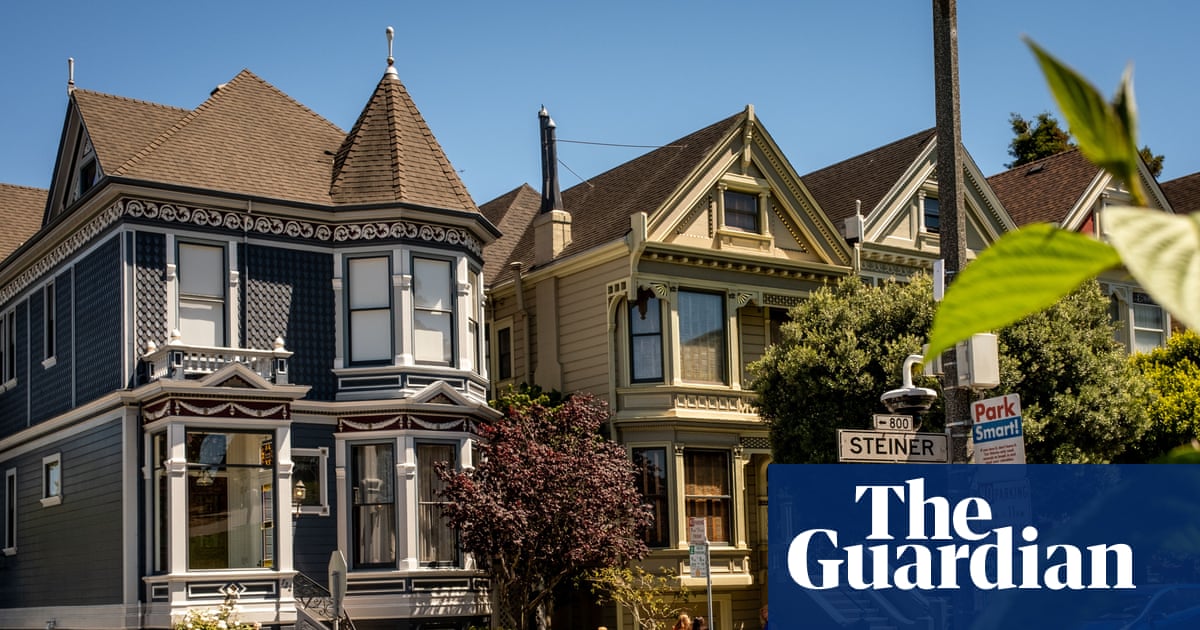
Compass data also showed single-family home prices rising about 17% from a year earlier while inventory fell roughly 45%. The median single-family price increased from $1.7 million to $2.2 million, and homes sold after an average of just 18 days on the market.
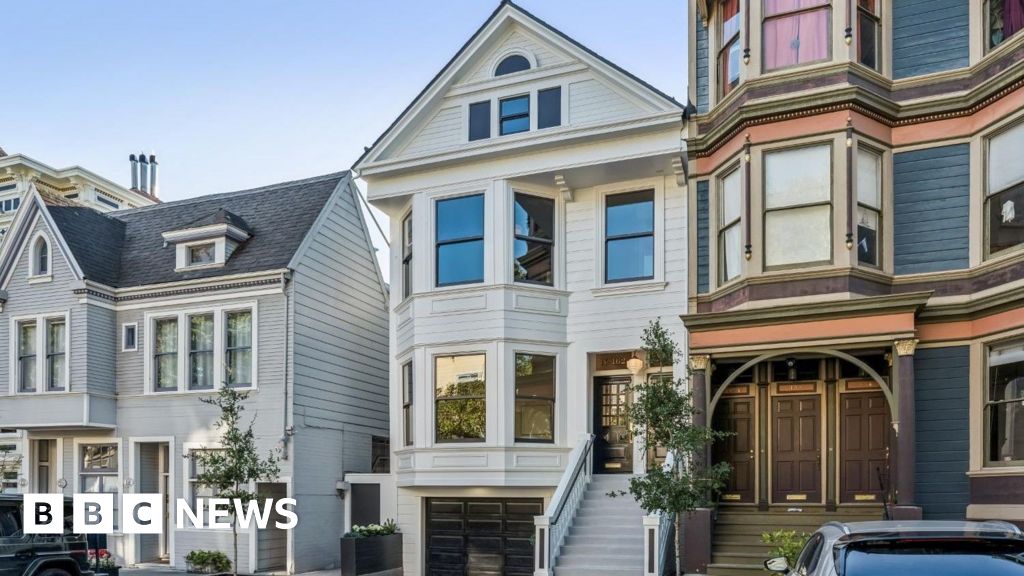
One renovated apartment in Duboce Triangle illustrated the pressure. It was marketed for nearly $3 million, with the seller willing to consider OpenAI or Anthropic shares instead of cash. The property ultimately sold for $3.2 million, or $200,000 above asking, although the payment terms were kept confidential.
The Response
Real estate professionals describe a market driven by buyers with substantial salaries, bonuses and access to stock liquidity. Listing agent Rachel Swann said current bidding wars could later be viewed as bargains, while veteran agent Matthew Goulden described the market as “crazy” and said competition now extends from luxury houses to one-bedroom apartments.
The idea that buyers are routinely exchanging private AI shares directly for homes appears overstated. Bay Area broker Blakely Hull told the San Francisco Standard that most offers are still financed. Professionals said employees are more likely to sell approved shares through secondary markets or borrow against their equity than transfer stock directly to a seller.
The Bigger Picture
The surge affects renters as well as buyers. San Francisco’s median asking rent for a three-bedroom single-family home reached $5,280 per month during the first half of 2026, the highest among large US cities. That compares with a national median of $2,100. San Francisco rents rose 5.7% from the previous year, while San Jose rents increased 5.9%.
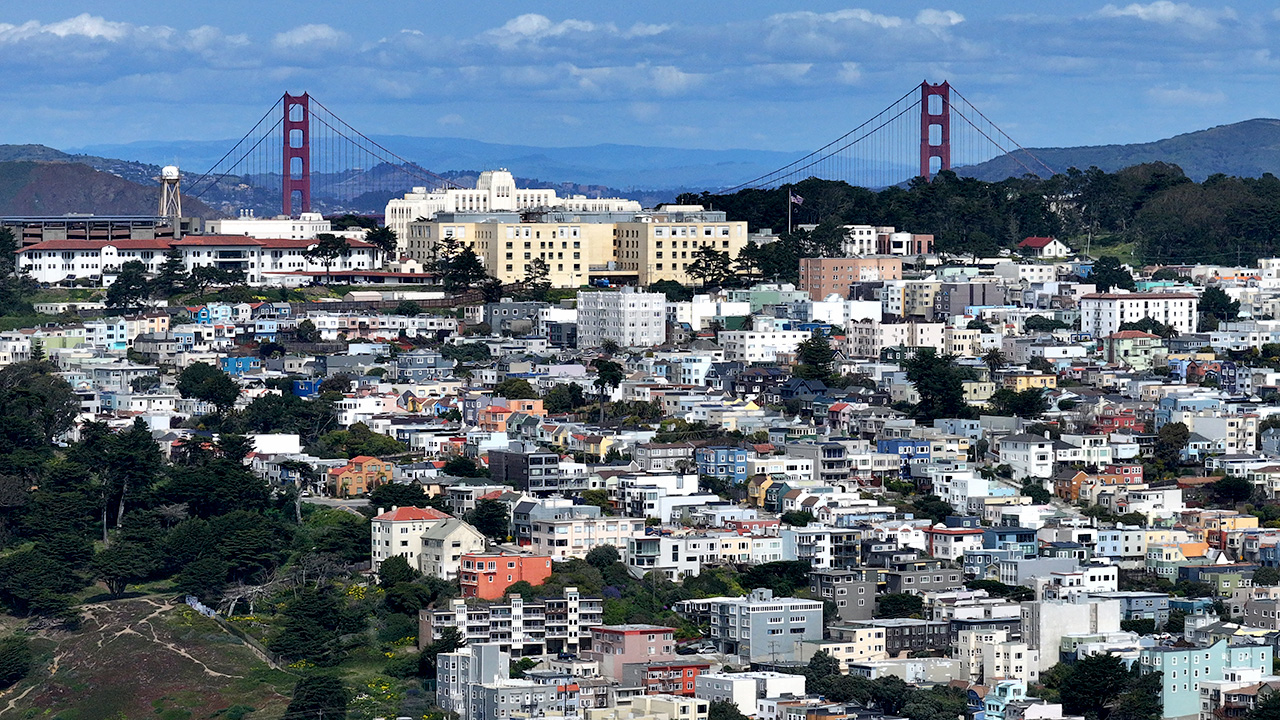
The gains are unevenly distributed. One family cited by the BBC bought a home in its preferred San Francisco neighborhood after a parent working at OpenAI sold shares. Another family without AI or technology income moved to a suburban Bay Area town because it could not afford to remain in the city.
That contrast shows the broader impact: AI wealth is not lifting every household equally. It is increasing purchasing power for a relatively narrow group while raising the cost of remaining near jobs, schools and established communities for everyone else.
The Road Ahead
Housing professionals expect demand to remain strong if AI hiring continues and more employees gain access to private-company wealth. OpenAI and Anthropic public-market plans could create additional buyers, although the timing and distribution of that wealth may influence how much reaches the housing market.
Supply remains the limiting factor. Without a significant increase in available homes, buyers with large cash reserves are likely to keep competing over the same listings, sustaining pressure on both sale prices and rents.
Frequently Asked Questions
Why are San Francisco home prices rising so fast?
Highly compensated AI employees are entering a market with limited housing inventory. Large salaries, bonuses and stock sales have given some buyers enough cash to compete aggressively for scarce listings.
What is the median home price in San Francisco in 2026?
The citywide median sale price reached a record $1.76 million in May 2026, according to Redfin data cited by the BBC. The median price for single-family homes was reported at about $2.2 million.
How many San Francisco homes sold $1 million over asking?
More than 140 homes sold for at least $1 million above asking during the first half of 2026. Forty-four of those transactions occurred in June.
Are people buying homes with OpenAI or Anthropic stock?
Some sellers have advertised that possibility, but local brokers said direct stock-for-home exchanges are not common. Buyers are more likely to use salaries, mortgages, share sales or loans secured against private-company equity.
How expensive is it to rent a house in San Francisco?
The median asking rent for a three-bedroom single-family home was $5,280 per month in the first half of 2026. That was the highest figure among large US cities and more than double the national median of $2,100.
Which San Francisco neighborhoods are attracting AI buyers?
Reports identified Mission Bay, Noe Valley, Potrero Hill, Bernal Heights, Duboce Triangle, the Castro and Dolores Heights as areas drawing interest. Buyers are also considering Peninsula communities as their careers and families develop.