
Alan Greenspan, the influential economist who defined modern American capitalism while steering the nation's monetary policy through five consecutive terms as chairman of the Federal Reserve, died Monday morning at his home. He was 100. His wife, veteran NBC News correspondent Andrea Mitchell, confirmed that his passing resulted from complications of Parkinson's disease. For nearly two decades, Greenspan held a historic grip on global finance, commanding an authority second only to the presidency itself.
What We Know So Far
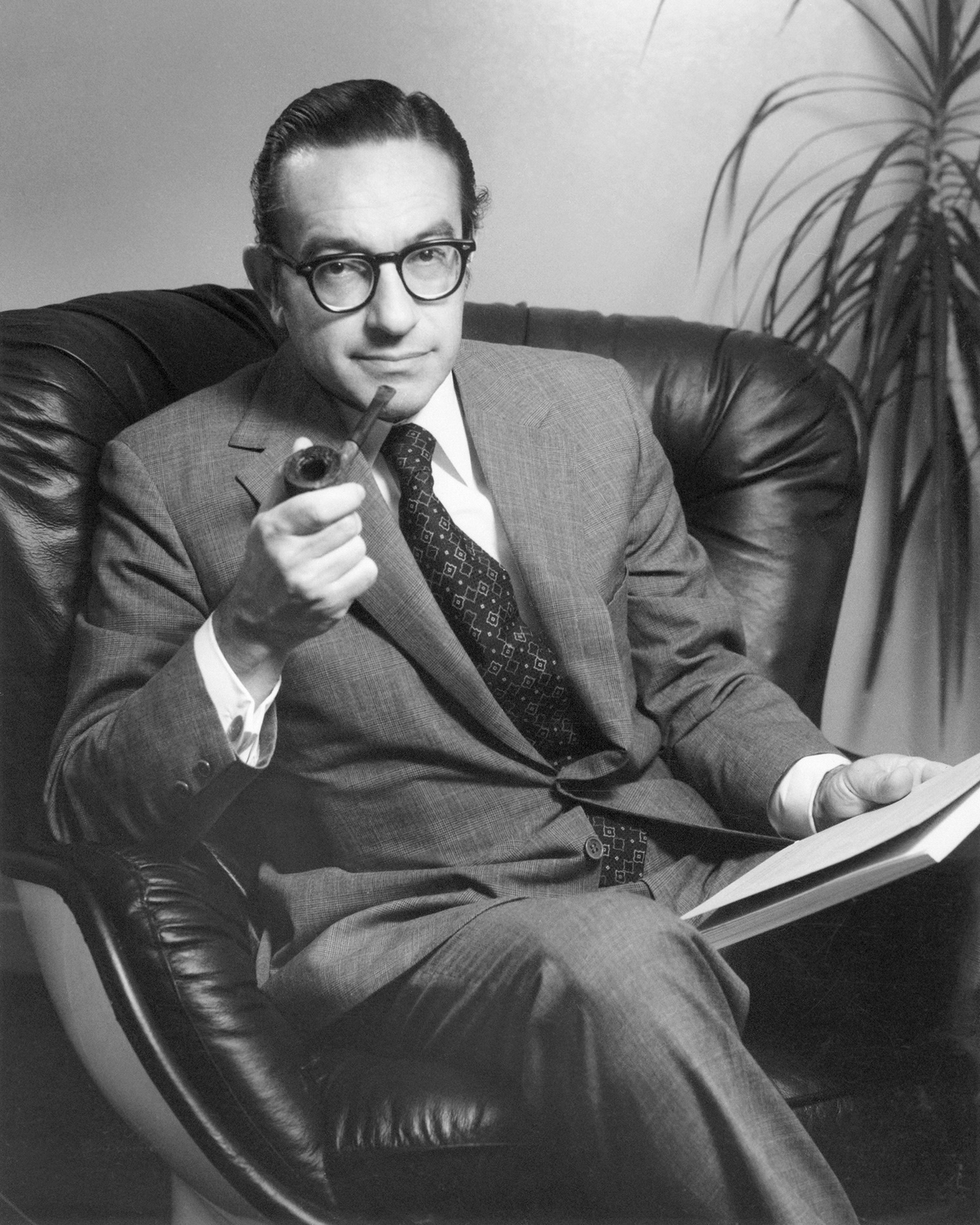
Born in New York City on March 6, 1926, Greenspan's early life was defined by an unexpected passion: jazz music. He studied clarinet and saxophone at the Juilliard School and even toured the country in a swing band alongside legendary saxophonist Stan Getz. While his bandmates spent evenings smoking marijuana, Greenspan managed the band's accounts and read economics textbooks. Realizing his future lay in financial data rather than nightclubs, he enrolled at New York University, earning his bachelor's degree in 1948 and a master's in 1950. He later completed his Ph.D. at NYU in 1977 at the age of 51.
During the 1950s, Greenspan became an associate of Atlas Shrugged author Ayn Rand. Her objectivist philosophy of self-interest and laissez-faire capitalism deeply carved his economic worldview. He entered public service as an adviser to Richard Nixon's 1968 campaign, later chairing the White House Council of Economic Advisers under President Gerald Ford. In August 1987, President Ronald Reagan appointed him to lead the Federal Reserve, thrusting him into the global spotlight just weeks before a historic market meltdown.
Just 69 days into his tenure, on October 19, 1987, the Dow Jones Industrial Average plummeted by 22.6% on a day dubbed "Black Monday." Greenspan moved with absolute speed, declaring the central bank's readiness to serve as a source of liquidity to support the financial system. By lowering short-term interest rates and encouraging banks to lend, he stabilized Wall Street and prevented a wider recession. This interventionist strategy of backing financial markets during periods of volatility became permanently known across global trading floors as the "Greenspan put."
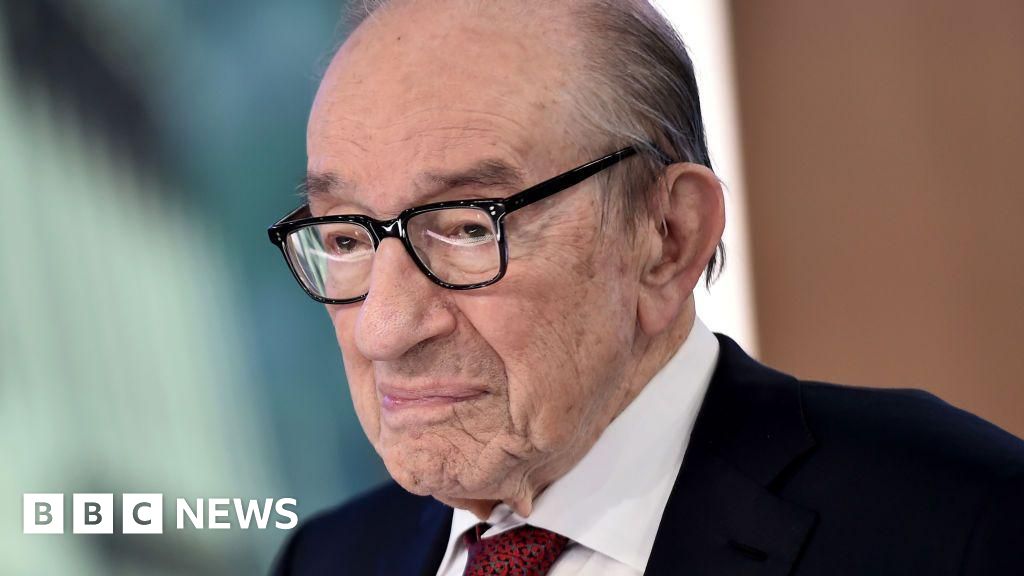
Greenspan proceeded to preside over one of the longest peacetime economic expansions in U.S. history, a boom stretching from 1991 to 2001. Dubbed "the Maestro" and celebrated as a financial rock star, he navigated the Fed through the dot-com bubble, the 1997 Asian financial crisis, and the aftermath of the September 11, 2001, terrorist attacks. He achieved a singular consensus-builder status, earning reappointments from four consecutive presidents of both parties: Ronald Reagan, George H.W. Bush, Bill Clinton, and George W. Bush. His historic eighteen-and-a-half-year run ended with his retirement on January 31, 2006.
However, his legacy darkened following the global financial collapse of 2007-08. Critics, including Nobel laureate Paul Krugman, asserted that Greenspan's long-standing policy of keeping interest rates at ultra-low levels—reaching 1% in 2003—fueled an unsustainable housing bubble. Furthermore, his philosophical aversion to government oversight stripped away critical banking safeguards. In 2011, the bipartisan Financial Crisis Inquiry Commission explicitly concluded that the crisis was triggered in part by Greenspan's failure to regulate toxic subprime mortgage loans and his championing of financial deregulation.
The Response
The Federal Reserve extended deep condolences to Greenspan's family, noting his profound influence on the central bank's identity. The institution emphasized that his analytical discipline helped establish the credibility that remains one of its most important assets. Fellow policymakers also weighed in on his passing.
Alan passed away at our home this morning at the age of 100 from complications of Parkinson’s disease. He was a giant of a man who helped shape the U.S. economy for decades under presidents of both parties, but was always honest in acknowledging his mistakes.
Ben Bernanke, Greenspan's immediate successor who navigated the initial brunt of the 2008 meltdown, praised his predecessor's dedication. Bernanke noted that Greenspan was a great central banker who led the country through nearly two decades of prosperity, adding that the economic community is still learning from his insights.
What It Means for You
For ordinary citizens in US, Greenspan’s long tenure shaped the very structure of daily economic life, from the mortgage rates on their homes to the stability of their retirement funds. His decisions proved that a Fed Chairman's choices directly dictate household purchasing power. His early insights into how personal computers and the internet would boost productivity allowed the American economy to run hotter without triggering inflation, creating immense wealth in the late 1990s.

Conversely, the easy credit culture he cultivated left a painful imprint on millions of Americans who lost homes or savings during the subsequent subprime mortgage crash. Greenspan famously relied on a doctrine of financial self-regulation, believing banks would naturally protect their own shareholders. He later confessed to Congress that he discovered a flaw in his free-market ideology, admitting the credit tsunami turned out to be far broader than anything he could have imagined.
Coming Up
The Federal Reserve has confirmed that Greenspan's frameworks, monetary practices, and mentored economists continue to influence current monetary policy. Modern central bankers frequently weigh his historical decisions when adjusting interest rates. Notably, current Federal Reserve officials have recently cited Greenspan's 1990s internet-era doctrine as a precedent, arguing the central bank should take a similar leap of faith regarding the disinflationary potential of artificial intelligence.
At a Glance
- Centenarian Icon: Former Federal Reserve Chairman Alan Greenspan died Monday at age 100 from Parkinson's disease complications.
- Extended Tenure: He served five terms under four U.S. presidents from 1987 to 2006, marking the second-longest tenure in Fed history.
- Market Guardian: He pioneered the "Greenspan put" by rapidly injecting liquidity to rescue markets, beginning with the 22.6% Black Monday crash in 1987.
- Dual Legacy: Acclaimed as "the Maestro" during the 1990s economic boom, he later faced severe criticism for policies that fed the 2008 financial crisis.
- Philosophical Shift: A lifelong free-market libertarian influenced by Ayn Rand, he later testified to Congress that his reliance on bank self-regulation was a mistake.
People Also Ask
What is Alan Greenspan's legacy?
Alan Greenspan's legacy is defined by a deep duality. He successfully guided the U.S. economy through nearly 20 years of low inflation and sustained expansion, but his low interest rate policies and commitment to deregulation were later blamed for fueling the 2008 global financial crisis.
What did Alan Greenspan mean by irrational exuberance?
Greenspan used the phrase "irrational exuberance" during a televised speech in December 1996 to describe a situation where investors drive stock prices up to unjustifiably high asset values. The famous warning temporarily caused global stock markets to tumble as investors feared the market was overvalued.
Who was Alan Greenspan's wife?
Alan Greenspan was married to Andrea Mitchell, the prominent chief Washington correspondent and chief foreign affairs correspondent for NBC News. The couple was married for 29 years, having wed in 1997 in a ceremony officiated by Supreme Court Justice Ruth Bader Ginsburg.
What instrument did Alan Greenspan play at Juilliard?
Alan Greenspan was a talented jazz musician in his youth and studied both the clarinet and saxophone at the Juilliard School. He briefly pursued a professional music career, touring the country with the Henry Jerome Band alongside legendary saxophonist Stan Getz before pivoting to economics.