
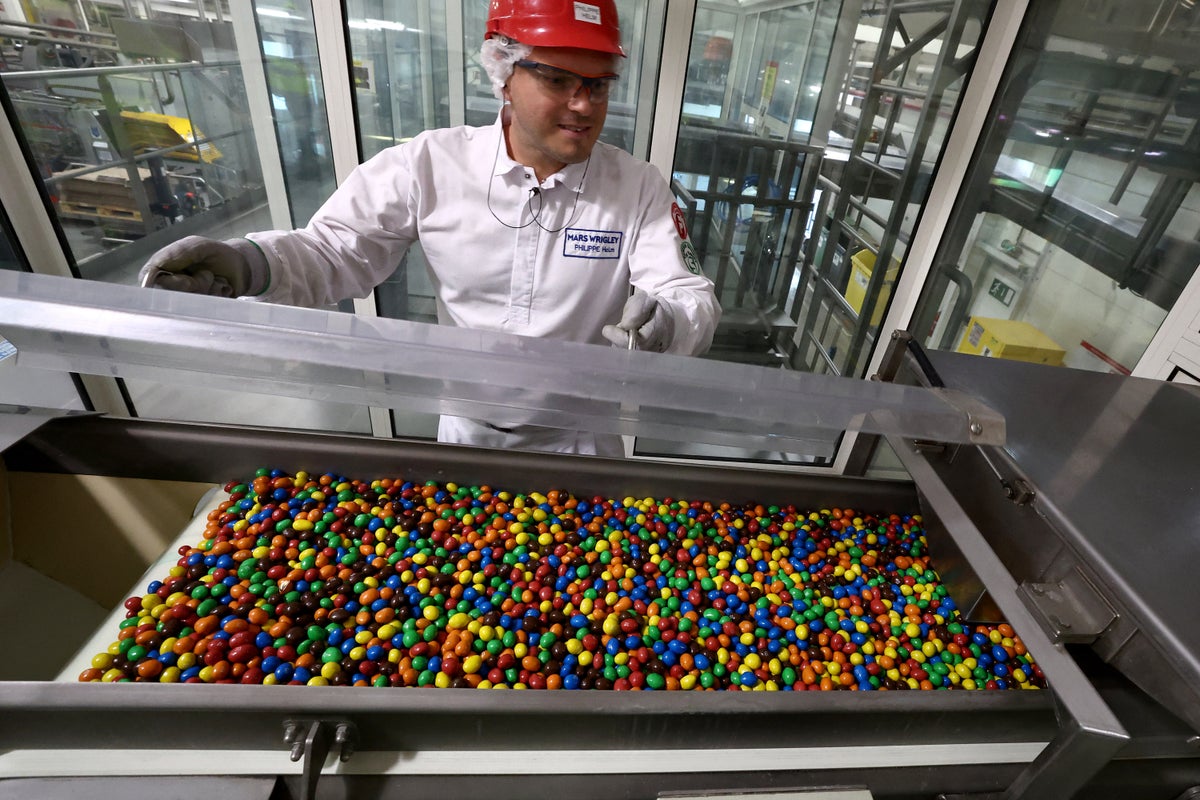
Inside a buzzing Mars manufacturing plant, hundreds of thousands of chocolate candies cascade through sorting chutes every minute, but a sharp visual disruption is coming to the familiar rainbow. The vibrant, deep cerulean and rich chocolate-brown shells that generations of Americans have picked out of candy bags are officially being pulled from production lines for a high-profile new rollout. Instead, the confectionery giant is pivoting to a stripped-down, four-color palette. Candy giant Mars will debut an all-natural, dye-free version of M&M's in August, temporarily dropping both the blue and brown candies after facing severe technical and financial hurdles trying to replicate the iconic shades without synthetic chemicals.

How Events Unfolded
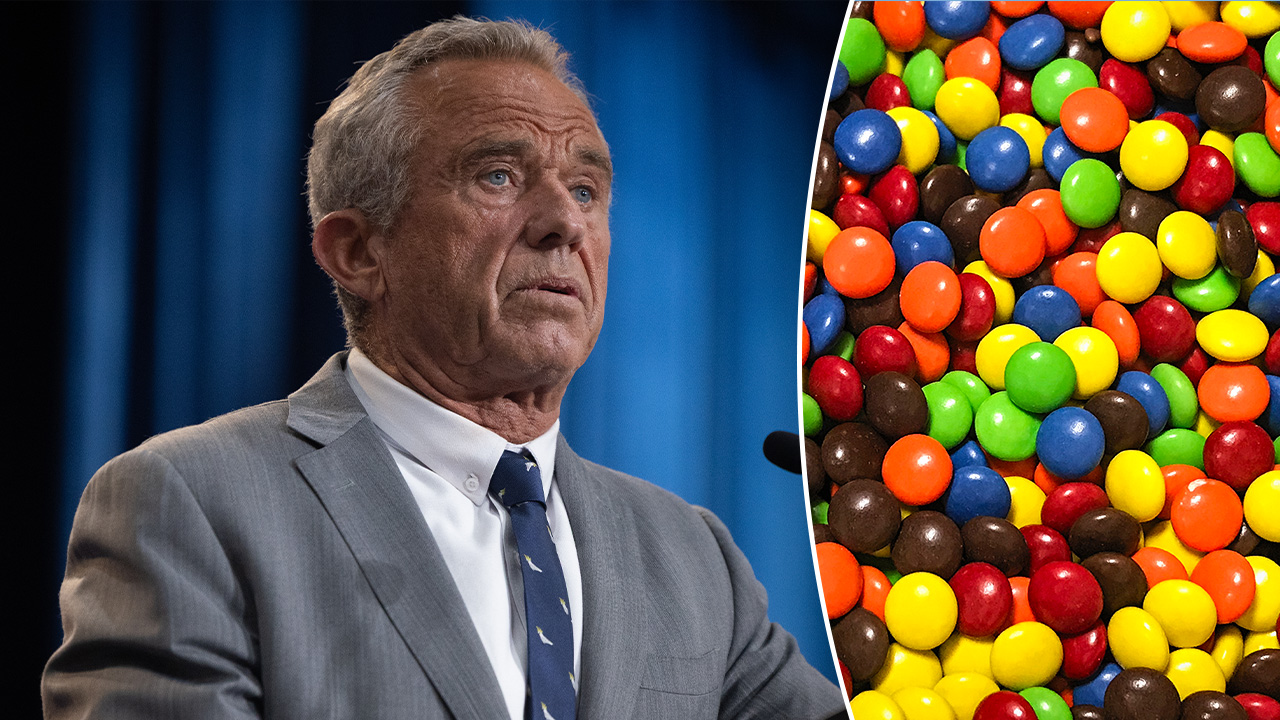
The sudden shift comes as corporate food giants face mounting federal and state pressure to realign with the Trump administration’s “Make America Healthy Again” (MAHA) movement. Led by Health and Human Services (HHS) Secretary Robert F. Kennedy Jr., the initiative has targeted artificial food colorings as major drivers of child behavioral disruptions and long-term health risks. The federal government has already revoked Food and Drug Administration (FDA) authorization for petroleum-based additives like Red Dye No. 3, citing the Delaney Clause after animal studies linked the chemical to cancer in rats. State governments are moving even faster; West Virginia enacted a total statewide ban on major synthetic dyes in 2025, and Texas Attorney General Ken Paxton launched an investigation into Mars for allegedly deceptive marketing regarding artificial color safety.
To avoid a regulatory and legal buzzkill, Mars dedicated a specialized team of more than 100 employees and poured millions of dollars into engineering natural alternatives. While agricultural sources like beets and turmeric seamlessly replicated red, orange, and yellow hues, blue quickly turned into what industry executives call the "holy grail" of food science. The company attempted to extract the color from spirulina, a blue-green algae powder, but the thick substance wreaked havoc on factory infrastructure. The viscous formulation repeatedly gummed up manufacturing lines and clogged standard spray nozzles, causing severe production delays.
Faced with an impending launch deadline ahead of the brand's 85th anniversary in August, executives had a colorful dilemma. According to leaked internal discussions, Mars considered rolling out a three-color mix of just red, orange, and yellow, but executives ultimately rejected the concept because "the sunset vibes were too strong." Instead, they finalized a four-color blend consisting of red, yellow, orange, and green—achieved by using a lighter concentration of spirulina. Because brown candy coatings rely heavily on blue base dyes to achieve their deep tone, the brown M&M had to be axed alongside blue.
The Fine Print
The decision to drop the iconic duo highlights the massive logistical and financial friction of transitioning an industrial food supply away from petroleum-based chemicals. Synthetics are incredibly cheap and stable; natural extracts are neither. For instance, while standard wholesale turmeric costs roughly $9 to $11 per pound, raw spirulina powder runs closer to $20 per pound. More compounding is the fact that the highly concentrated extract required to achieve a bright food dye frequently spikes past $100 per pound.
Beyond raw ingredient costs, scaling natural dyes requires a massive capital overhaul of heavy machinery. To safely handle the thick, foamy residue left behind by spirulina without risking mold or food-safety hazards, Mars must upgrade more than 300 machines across its North American plants. The overhaul will require purchasing entirely new mixing tanks, specialized paddles, and heavy-duty motors. Furthermore, sanitizing the altered equipment demands hotter water, higher mechanical pressure, and significantly longer maintenance windows, threatening the output of a facility that pumps out 600 million M&M’s every day.
The Response
Corporate executives admit that altering a staple of American culture is an extraordinary business risk. Anton Vincent, president of the Mars snacking division in North America, acknowledged the intense pressure behind the scenes. "It was a daunting situation," Vincent stated. "You’re messing with an 85-year-old icon." Claire Hewitt, the executive overseeing the transition as the company’s self-described "chief color officer," echoed the sentiment, calling the technical hurdle "the hardest thing I’ve had to do in my career."
Meanwhile, political leaders are doubling down on their corporate cleanup campaign. During an HHS press conference on the synthetic dye supply chain, Secretary Robert F. Kennedy Jr. emphasized the administration's uncompromising stance on chemical additives.
When we look at these nine specific food dyes, the science shows a clear, undeniable link to behavioral disruptions in our kids and long-term cancer risks. We are systematically clearing them out.
Public interest advocates have pointed out a humorous friction in the federal health push, noting that President Trump famously deviates from his health secretary's dietary guidelines by regularly consuming fast food and candy. Kennedy playfully acknowledged the disconnect during a recent podcast, noting that the president "has the constitution of a deity" despite drinking Diet Coke constantly.
Putting It in Perspective
The M&M makeover is not an isolated corporate anomaly; it signals a sweeping transformation across the entire American grocery aisle as brands scramble to adapt to shifting political and state-level legal landscapes. Mars previously pledged to remove artificial dyes back in 2016 but quietly reversed its decision after consumer data showed everyday shoppers didn't care about dyes in occasional treats. The current MAHA movement has entirely flipped that calculation.
Other conglomerate brands are executing identical playbooks to protect their market share. PepsiCo recently launched its "Simply NKD" portfolio, introducing versions of flagship snacks like Doritos and Cheetos completely free of artificial dyes and flavors. For everyday consumers, this means the snacks on retail shelves will increasingly feature muted, natural tones and potentially higher price tags as companies pass down the steep costs of natural ingredients and agricultural supply chains.
Looking Ahead
American candy consumers will not see their local supermarket checkouts change overnight. Mars has confirmed that the traditional, artificially colored M&M's featuring all six classic colors will remain on standard store shelves for the time being. The new, all-natural, four-color variety packages are scheduled to launch in August and will initially be sold exclusively online through Amazon. The company considers this limited rollout a live testing phase; Mars officially plans to continue its multimillion-dollar color research with the ultimate goal of successfully engineering natural versions of all six classic M&M colors by 2028.
Frequently Asked Questions
Why are blue and brown M&M’s being removed?
Mars could not replicate the bright blue shell using natural ingredients without creating a thick, foamy spirulina mixture that clogged factory spray nozzles and posed a mold hazard. Brown was removed because its recipe relies heavily on blue dye to achieve its color.When and where can you buy the dye-free M&M’s?
The natural, dye-free version will launch in August 2026. Initially, these four-color packages will be sold exclusively online through Amazon, while traditional M&M's remain available in physical stores.What colors are included in the new natural M&M’s bags?
The upcoming all-natural packages will feature a four-color lineup consisting of red, yellow, orange, and green candies. Blue and brown will be entirely absent.Is Mars permanently discontinuing the traditional blue and brown M&M’s?
No. Traditional, artificially colored M&M's will continue to be sold on regular store shelves. Mars is currently upgrading its factory infrastructure and aims to bring back natural versions of blue and brown by 2028.