
Technology investors across the United States are facing a harsh reality check as one of the market's oldest tech giants experiences an unprecedented sell-off. IBM shares plunged 23% on Tuesday following an unexpected preliminary earnings miss, triggering a massive wave of liquidations across the enterprise software sector. The steep decline represents the company's worst single-day trading performance since the Black Monday crash of October 19, 1987, when the stock tumbled 23.7%.

Behind the Headlines
For decades, International Business Machines has served as a reliable bellwether for corporate technology spending. The current turmoil stems from a massive, sudden reshuffling of corporate IT budgets driven by the global artificial intelligence arms race. As companies rush to build out physical data centers, they are shifting capital away from traditional enterprise software licenses and toward hard-to-get physical infrastructure.
This rapid reprioritization has left high-margin software and consulting projects in limbo. IBM was heavily betting on its advanced z17 mainframe computer—a transaction powerhouse designed to process credit card swipes and bank balances while instantly detecting fraud using embedded AI—to secure lucrative enterprise contracts. Instead, corporate buyers pivoted their capital toward securing supply-constrained physical components before prices escalate further.
Here's What Happened
On Tuesday, July 14, 2026, IBM released preliminary second-quarter financial results that fell significantly short of Wall Street forecasts. The company reported adjusted earnings of $2.93 per share on revenue of $17.2 billion. These figures missed analyst expectations of $3.01 per share in earnings and $17.86 billion in revenue. The disappointing numbers stood in stark contrast to the first quarter, where software revenue grew 11% to $7.05 billion, pushing overall revenue to $15.92 billion.
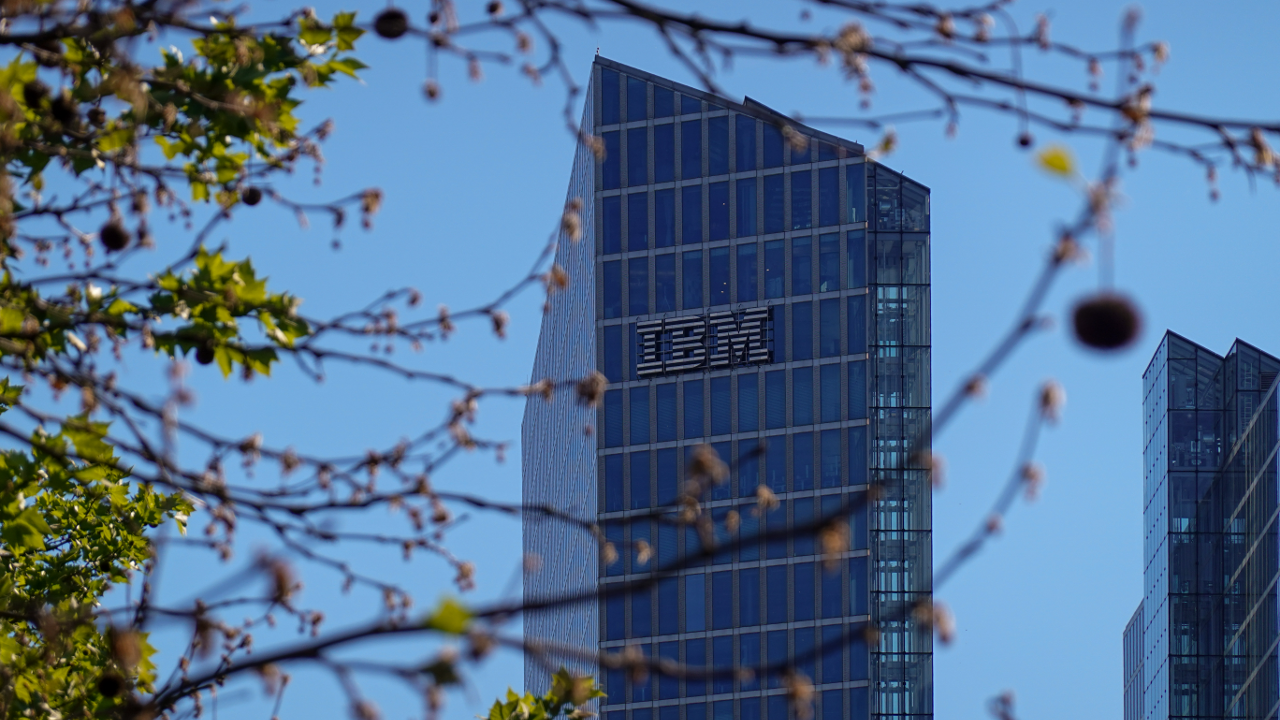
According to corporate communications, the shortfall crystallized in the final weeks of June. Corporate buyers suddenly shifted their quarterly capital expenditures toward servers, storage, and memory purchases. This supply-chain scramble left IBM unable to finalize several large transactions. Additionally, corporate IT departments were momentarily distracted by Anthropic's Mythos software release, which exposed potential cybersecurity vulnerabilities and paused pending negotiations. IBM attempted to counter this security concern by releasing its own Lightwell open-source security software, but the move came too late to save the quarter's deals.
Voices & Opinions
Corporate leadership did not mince words regarding the execution failure during the quarter.
In the last few weeks of June, we saw clients shift their quarterly capex spend toward servers, storage, and memory purchases to secure supply-constrained infrastructure ahead of expected price increases. While we anticipated some supply chain related impact in our expectations, we did not anticipate the magnitude of the capex reprioritization.
Krishna candidly acknowledged the internal missteps, stating that the challenging market environment required flawless execution, but the internal teams faltered by failing to adapt and move quickly enough. Meanwhile, market commentators highlighted the broader systemic implications of the announcement. Fox Business anchor Maria Bartiromo noted during a broadcast that the unexpected warning sent a major shockwave through the tech sector, dragging down prominent software names.
The Bigger Picture
The fallout from IBM's warning quickly spread far beyond its own stock. Enterprise software providers and IT services firms were heavily pummeled during Tuesday's session. Shares of ServiceNow, Workday, Salesforce, Palantir Technologies, and Microsoft all retreated as investors questioned whether corporate AI investments are yielding sufficient near-term financial returns. Conversely, hardware manufacturers and chipmakers specializing in memory and storage, such as Micron and SK Hynix, continue to benefit from the capital reallocation.

For everyday retail investors and retirement accounts tied to major tech indices, the sudden drop serves as a stark reminder of the volatility currently underlying tech portfolios. While the overall markets have been driven upward by artificial intelligence optimism, the actual corporate spending is concentrated heavily in raw physical infrastructure, leaving software giants vulnerable to sudden budget cuts.
The Road Ahead
IBM is scheduled to release its official, finalized second-quarter financial statement on July 22, 2026. Company leadership is currently tasked with accelerating the integration of its Lightwell security suite and adjusting sales timelines to account for the ongoing hardware-centric spending patterns. Investors will closely watch the upcoming earnings call to see if other enterprise software firms report similar capital flight to hardware alternatives.
Frequently Asked Questions
Why did IBM stock drop so heavily on July 14, 2026?
IBM stock dropped over 23% after the company released preliminary second-quarter earnings and revenue that missed analyst expectations, marking its worst trading day since the 1987 Black Monday market crash.
What were IBM's preliminary financial results for Q2 2026?
IBM reported adjusted earnings of $2.93 per share on $17.2 billion in revenue, falling below Wall Street projections of $3.01 per share on $17.86 billion in revenue.
Why did corporate clients cut back on IBM's software and mainframes?
Clients rapidly shifted their capital budgets toward purchasing physical servers, storage, and memory. This reprioritization aimed to secure supply-constrained infrastructure ahead of expected chip and hardware price increases.
Which other software stocks were affected by the IBM announcement?
The earnings miss triggered a broader sector sell-off, negatively impacting shares of enterprise software and IT services firms including ServiceNow, Salesforce, Workday, Palantir, Microsoft, and Accenture.
When will IBM release its finalized quarterly financial results?
IBM is scheduled to report its complete and official second-quarter financial statement on Wednesday, July 22, 2026.