
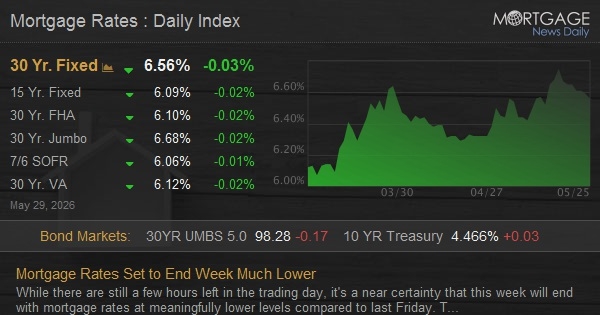
Homebuyers finally caught a breather this weekend as fixed-rate mortgages notched a surprising downward turn, reversing a brutal multi-week climb that recently pushed borrowing costs to their highest levels since last August. The abrupt pivot caught many by surprise, injecting a sudden jolt of energy into a frozen real estate market. Every cloud has a silver lining, and for thousands of Americans sitting on the home-buying sidelines, this volatile weekend swing might just be the opening they have been waiting for.
What We Know So Far
Here is the thing about the housing market right now: it is a high-stakes game of tug-of-war. Just days ago, refinancing demand plummeted by 18% as the widely watched 30-year fixed rate slammed into a painful local ceiling, marking the worst environment for borrowers since late last summer. Stubborn inflation pressures have consistently forced the Federal Reserve to keep interest rates higher for longer, a reality that has hammered consumer confidence and effectively locked homeowners into their current low-rate properties.
But the market moves fast. By Friday evening, bond markets rallied aggressively, allowing mortgage lenders to price their loans significantly lower heading into Sunday, May 31. While fixed-rate products like the traditional 30-year and 15-year options pulled back noticeably, adjustable-rate mortgages (ARMs) remained highly volatile and less predictable for the average consumer.
The broader implications of this environment are substantial. Research published by the Federal Reserve Bank of St. Louis highlights how these aggressive interest rate spikes function as a strict threshold. When borrowing costs jump, a massive segment of middle-class families is instantly disqualified from standard loan amounts due to strict debt-to-income limits. This creates a cascading chill throughout local economies, slowing down everything from construction to local hardware retail sales.
For perspective, the market hasn't seen this specific type of neck-snapping weekly volatility since the post-pandemic inflation spikes of 2023. What makes the current moment unique is that home prices themselves have refused to drop significantly, creating a double-whammy of high prices and high interest rates that directly tests the financial limits of the American consumer.
Voices & Opinions
Market analysts are warning buyers not to mistake a brief weekend dip for a permanent downward trend. Economic forecasters emphasize that as long as underlying consumer prices remain sticky, mortgage rates will continue to experience turbulent, unpredictable swings.
With inflation refusing to cool down to target levels, homebuyers should expect mortgage rates to remain highly reactive to every single piece of economic data that hits the wires.
Meanwhile, everyday lenders note that consumers are becoming increasingly strategic, opting to lock in fixed rates the moment a minor dip occurs rather than risking another sudden surge.
Local Impact
So, what does this mean for you if you're trying to buy a home right now? It means timing is everything. A minor drop in the 30-year fixed rate might sound like statistical noise on paper, but when applied to a $400,000 mortgage, even a quarter-percentage-point decrease can save an American family over $60 a month on their principal and interest payment. Over the life of a 30-year loan, that translates to more than $21,000 kept out of the bank's pockets.
For anyone currently aiming to refinance a high-rate loan from late last year, the sudden drop offers a highly compressed window of opportunity. However, because refinance demand previously plummeted to multi-month lows, banks are fiercely competing for business, meaning borrowers who actively shop around right now are securing drastically better terms than those who accept the first offer they receive.
Coming Up
Looking ahead, all eyes are locked on the upcoming economic reports scheduled for the first full week of June. Lenders are already preparing for potential swings following the next batch of employment statistics and consumer price index revisions. If those numbers indicate a cooling economy, the current downward trend in fixed rates could find some real, sustainable traction. Conversely, an upside surprise will likely send rates clawing right back up toward their previous August highs.
At a Glance
- Weekend Drop: Fixed mortgage rates edged lower by May 31, providing immediate relief after weeks of steady climbing.
- Refinance Slump: The pullback follows an 18% crash in weekly refinancing demand caused by recent peak interest rates.
- ARM Volatility: While fixed options became cheaper, adjustable-rate mortgages remained highly erratic and volatile.
- Borrowing Barriers: St. Louis Fed research confirms that recent high rates have pushed thousands of buyers past their legal borrowing thresholds.
- Long-Term Savings: Small fractional dips can alter lifetime mortgage costs by tens of thousands of dollars for typical American families.
Frequently Asked Questions
Why did mortgage rates suddenly drop this weekend?
Fixed mortgage rates turned downward following an aggressive late-week rally in the bond market, giving lenders room to price loans lower after weeks of intense upward pressure.Is now a good time to refinance my home loan?
With refinance demand down 18% recently, lenders are hungry for business. If your current rate is higher than the weekend's newly dropped fixed rates, locking in a deal now could make financial sense.What is happening with adjustable-rate mortgages right now?
Unlike fixed-rate options, adjustable-rate mortgages (ARMs) are exhibiting high volatility, making them a higher-risk choice for standard homebuyers in the current economic environment.
How do higher interest rates affect my home loan approval?
Higher interest rates increase your projected monthly payment, which can push your debt-to-income ratio past strict banking thresholds and lower the total amount you are approved to borrow.
Will mortgage rates continue to drop next week?
Future rate movements depend heavily on upcoming inflation and employment data. If the incoming June economic reports show a cooling economy, fixed rates may continue to stabilize or fall further.