
A remote Pacific island famous for its giant stone statues is now at the center of a growing global concern over climate change and cultural preservation. Rising temperatures and environmental shifts are putting pressure on historic landmarks like Easter Island, with ripple effects far beyond its shores.

The Full Story
Easter Island, known locally as Rapa Nui, has long stood as one of the world’s most isolated cultural treasures. But lately, it’s become something else too — a warning sign. Global organizations are sounding the alarm as rising temperatures begin to threaten UNESCO World Heritage sites across the globe, and Easter Island is firmly on that list.
The issue isn’t just heat. Coastal erosion, shifting weather patterns, and rising sea levels are slowly creeping closer to the island’s famous Moai statues. These towering figures, carved centuries ago, were never meant to withstand modern climate extremes. And now, they’re paying the price.
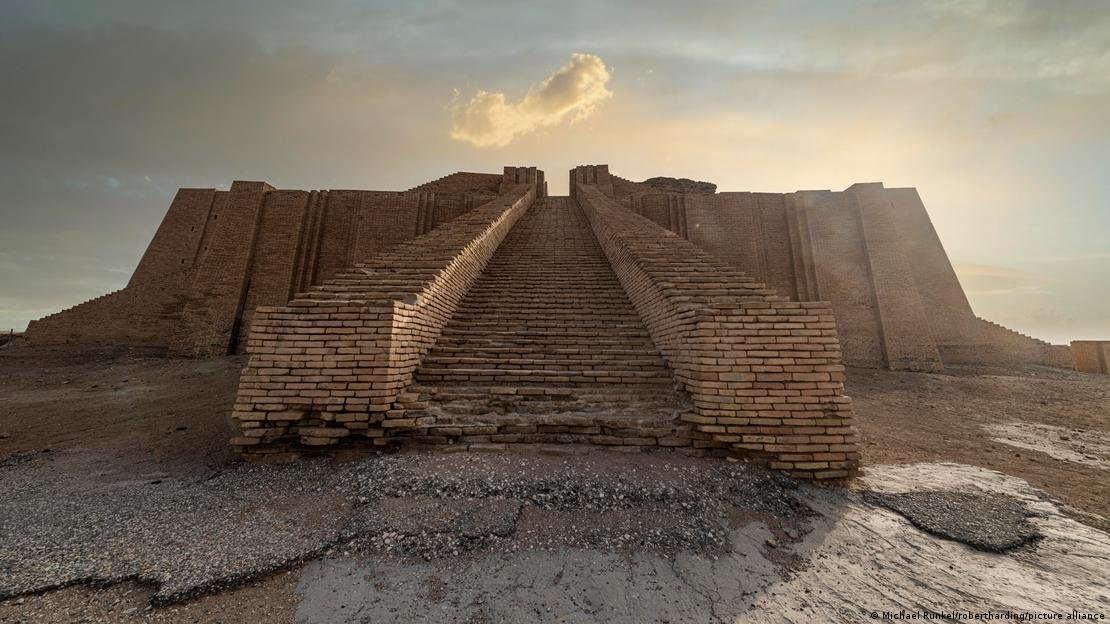
Meanwhile, global watchdogs are warning that this isn’t an isolated case. From ancient mosques to coastal ruins, dozens of heritage sites are facing similar risks. What makes Easter Island stand out is its vulnerability — remote, exposed, and deeply tied to the surrounding environment.
Here’s the thing: once these sites are damaged, there’s no easy fix. Restoration isn’t just expensive — sometimes it’s impossible. And that’s why the urgency is growing fast.
Key Figures
- UNESCO – Leading global efforts to monitor and protect heritage sites
- Local Rapa Nui community – Guardians of the island’s cultural legacy
- Climate scientists – Tracking environmental changes affecting the region
- Governments of island nations – Advocating for stronger climate action
Facts & Figures
- Over 1,000 Moai statues exist on Easter Island
- Dozens of UNESCO World Heritage sites globally are at risk
- Sea levels have risen by approximately 3.3 mm per year globally
- Temperature increases are accelerating faster in vulnerable regions
What This Means
For Americans watching from afar, this might feel like a distant issue. But it’s not. Cultural heritage isn’t just about history — it’s about identity, tourism, and global connection. When places like Easter Island are threatened, it signals broader environmental instability that eventually hits closer to home.

The writing’s on the wall: if action slows, more iconic sites could follow the same path. Think about coastal cities, national parks, even landmarks across the U.S. — they’re all part of the same story.
What’s interesting is how this conversation is shifting. It’s no longer just about saving the environment — it’s about protecting history itself.
What to Expect
Expect increased international pressure on governments to act faster on climate policies. UNESCO is likely to expand its monitoring efforts, while funding for preservation projects could grow. On the ground, communities like Rapa Nui will continue adapting — but they can’t do it alone.
FAQ
Why is Easter Island in danger?
Climate change is causing erosion, rising sea levels, and temperature shifts that threaten its structures.
What are Moai statues?
They are massive stone figures built by the Rapa Nui people centuries ago.
How many heritage sites are at risk?
Dozens globally, according to UNESCO reports.
Can the damage be reversed?
In many cases, no — preservation is easier than restoration.
Why should Americans care?
It reflects broader environmental risks that could impact U.S. landmarks and coastlines.
What’s being done right now?
Monitoring, funding proposals, and climate policy discussions are underway globally.