
175 vessels attacked and approximately 30 incidents causing significant pollution. Those United Nations figures reveal the environmental stakes of the conflict involving Iran, where British endurance swimmer Lewis Pugh has completed a remarkable 9.3-mile journey through the Strait of Hormuz. Over three days, the 56-year-old ocean advocate swam past burning commercial vessels and witnessed the dangers facing one of the world's most ecologically significant shipping corridors. His mission draws attention to marine damage that can persist long after military operations end.

The Current Event
Lewis Pugh, a United Nations Patron of the Oceans, completed a 15-kilometer (9.3-mile) swim from Musandam Island to the Cape of Hormuz at the northern tip of Oman's Musandam Peninsula. He is believed to be the first person to attempt a long-distance swim through the strait since fighting began in March.
The expedition included a support boat and kayak accompanying Pugh through waters that serve as a major passage for Middle Eastern oil shipments. His first swim in a conflict zone brought him unusually close to attacks on commercial shipping.
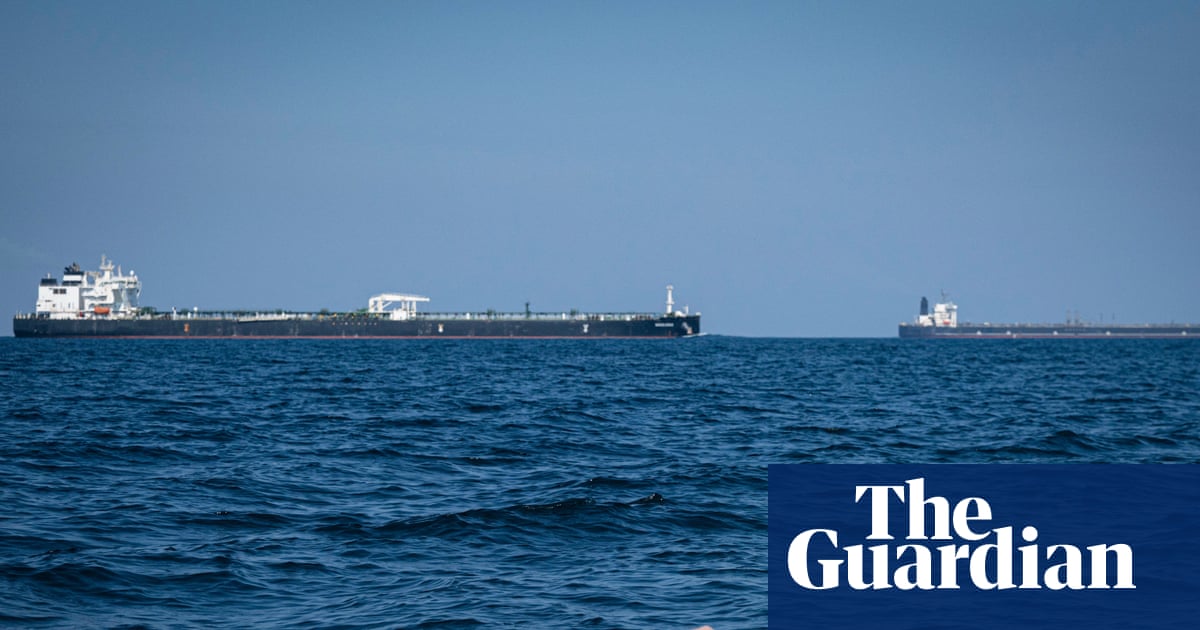
According to the Lewis Pugh Foundation, a tanker was struck by a projectile approximately 2.5 miles from his position on the first day. On the second day, Pugh observed flames from the liquefied petroleum gas carrier Tara Gas and subsequently passed near the vessel while it was burning. The expedition also reported distant explosions and fighter jets overhead.
Pugh is calling for an end to the fighting, the reopening of the strait and action to address environmental damage. The BBC's account of the expedition describes the dangers he encountered.
Is Climate Change a Factor?
The environmental threat highlighted by Pugh is primarily one of conflict-related pollution rather than a documented climate-driven event. Neither of the supplied reports establishes that climate change caused the attacks, increased their frequency or influenced the swimmer's route.
That distinction matters. A vessel carrying oil or highly flammable gases can threaten surrounding waters when attacked, regardless of whether changing climate conditions contributed to the broader environmental setting.
The immediate concern is contamination of marine habitats. Pugh identified coral reefs, seagrass meadows and mangrove forests as ecosystems potentially vulnerable to oil spills and other pollutants. The available reporting does not quantify contamination levels at individual habitats or establish how much damage has already occurred.
How Conditions Have Changed
The clearest available comparison is between the waterway's established importance as a commercial shipping corridor and its condition during the conflict that began in March.
According to United Nations figures reported by The Guardian, at least 175 vessels have been attacked since fighting began, with approximately 30 attacks causing significant pollution. That means pollution has been documented as a serious consequence of multiple shipping incidents, rather than being solely a hypothetical danger.
Those figures do not provide a historical pollution baseline, the total quantity of contaminants released or a measured change in marine biodiversity. They therefore cannot establish a long-term ecological trend by themselves.
What the incidents demonstrate is how quickly a shipping route can become an environmental hazard when commercial vessels are exposed to armed conflict. The Guardian's reporting on the swim documents the scale of attacks and the expedition's encounters with burning ships.
Who Is Most Exposed
The immediate human risks fall on seafarers aboard vessels operating through the strait. Pugh's encounter with the burning Tara Gas illustrates the danger posed by ships transporting flammable cargo.
The ecological exposure extends beneath the surface. The Strait of Hormuz supports dugongs, sea turtles and whale sharks, alongside coral reefs, seagrass meadows and mangrove forests.
These habitats and species are central to Pugh's warning because contamination can affect environments far beyond the location of an individual attack. The supplied reports do not establish which wildlife populations have already been harmed or how extensively.
For US readers, the story also concerns a strategic route carrying a significant share of global oil shipments from the Middle East. The available evidence establishes the corridor's international shipping importance, although it does not quantify any resulting effect on US fuel prices or supplies.
Adaptation and Future Risk
Pugh's proposals focus on three priorities: ending the fighting, reopening the Strait of Hormuz and addressing environmental damage caused by the conflict.
These priorities connect immediate safety with longer-term ecological recovery. Preventing further attacks would reduce opportunities for additional contamination, while addressing existing damage would require understanding where pollution occurred and which habitats were affected.
The available reports do not describe a funded restoration program, a completed ecological assessment or a timetable for reopening the waterway. Consequently, the extent of future recovery cannot be calculated from the published information.
Pugh has completed long-distance swims in every ocean, but this expedition placed his conservation message directly alongside the consequences of armed conflict. His central concern is that damage to nature can continue beyond the period when fighting attracts international attention.
Frequently Asked Questions
Who is Lewis Pugh?
Lewis Pugh is a 56-year-old British endurance swimmer and United Nations Patron of the Oceans. He has completed long-distance swims in every ocean and undertook his first swim in a conflict zone in the Strait of Hormuz.
How far did Lewis Pugh swim in the Strait of Hormuz?
He swam approximately 15 kilometers, or 9.3 miles, over three days. His route extended from Musandam Island to the Cape of Hormuz on Oman's Musandam Peninsula.
Why is the Strait of Hormuz environmentally important?
The strait supports dugongs, sea turtles and whale sharks, as well as coral reefs, seagrass meadows and mangrove forests. It is also a major oil-shipping corridor, making pollution from damaged vessels a particular concern.
How many ships have been attacked in the Strait of Hormuz conflict?
According to United Nations figures cited by The Guardian, at least 175 vessels have been attacked since fighting began in March. Approximately 30 attacks have caused significant pollution.
Did climate change cause the environmental damage in the Strait of Hormuz?
The reported pollution is associated with attacks on commercial shipping during the conflict. The supplied reporting provides no evidence attributing those attacks or their environmental consequences to climate change.
What is Lewis Pugh asking governments to do?
Pugh is calling for an end to the fighting, the reopening of the Strait of Hormuz and action to address environmental damage. His expedition emphasizes the potential for marine ecosystems to suffer consequences long after a conflict ends.